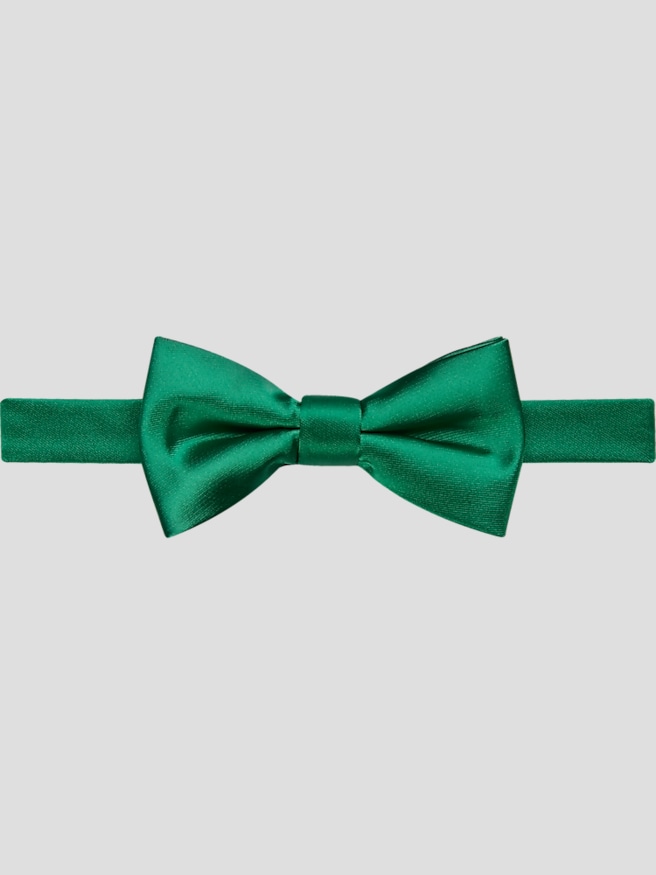
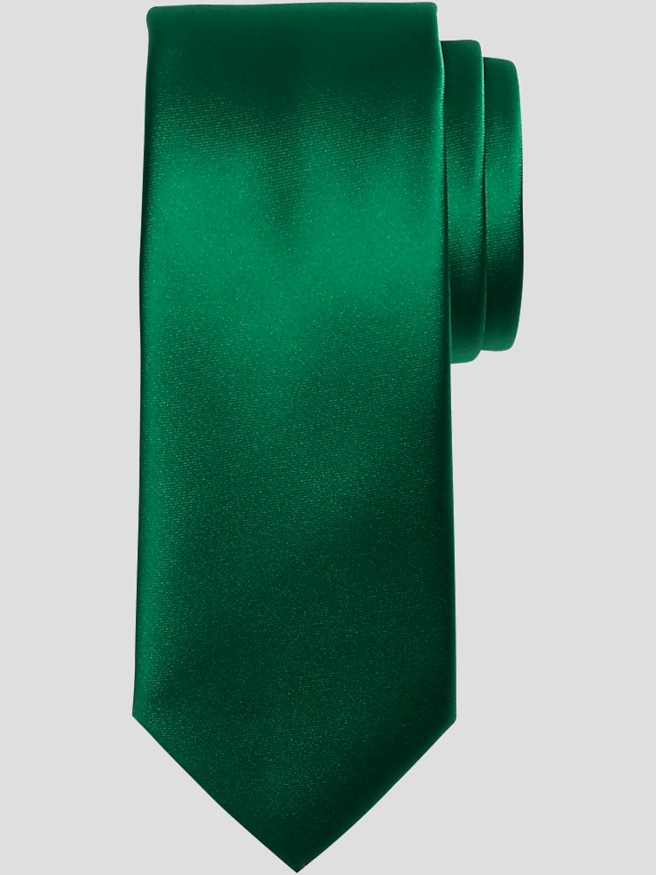
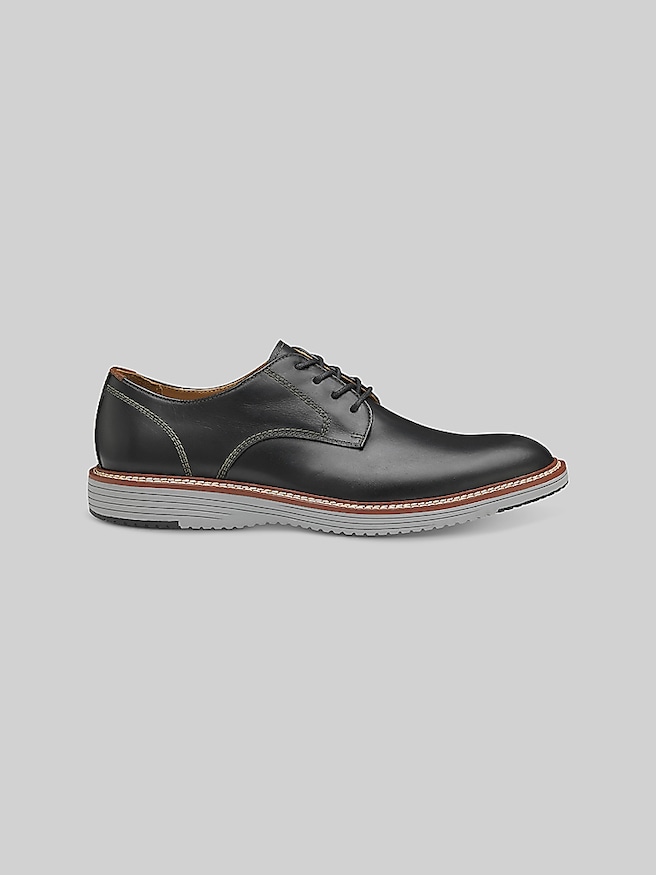
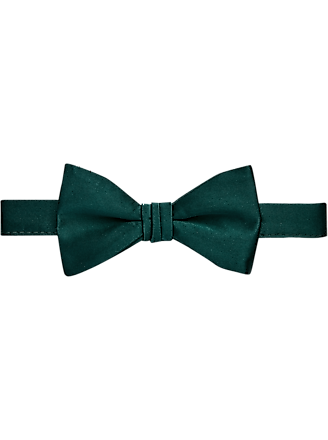
An emerald green and purple wedding brings together two richly expressive jewel tones: one grounded in lush foliage and forest depth, the other ranging from soft lavender to dramatic plum, amethyst, and royal purple. The result can feel romantic, regal, and distinctly personal without becoming overly formal. For wedding attire, the most successful approach is usually to choose one shade as the foundation and let the other appear in measured accents. A dark suit or tuxedo creates a polished base for a purple neckwear accent, pocket square, boutonniere, or subtle pattern, while emerald can add depth through accessories, layered textures, or coordinated details throughout the wedding party. Alternatively, an emerald suit can make a memorable statement when balanced with a crisp white shirt, dark footwear, and restrained purple touches. Think about the setting as well as the color names: an evening ballroom can support deep plum, black, and emerald with ease, while a garden venue may look especially inviting with mossy greens, lavender, and lighter violet. Fabric texture also shapes the impression. Satin catches candlelight with a refined sheen, velvet feels warm and luxurious during cooler months, and matte wool or brushed textures lend a composed finish that photographs beautifully. When comparing attire, consider the ceremony time, venue lighting, expected weather, and the level of formality so the colors look intentional from the aisle to the reception.
Coordination works best when every element shares a visual relationship rather than matching perfectly. A groom may anchor the palette with a classic dark formal look and repeat the wedding colors through a purple pocket square, emerald-toned detail, or a boutonniere that combines dark greenery with a violet bloom. Groomsmen can follow the same formula while varying one accent to distinguish the groom, or they can wear coordinated shades that create a subtle gradient across the group. Attendants in emerald green or deep plum bring strong color to photographs, especially when the backdrop includes ivory florals, dark wood, stone, or greenery. For a softer effect, lavender can lighten an otherwise dramatic palette; for a moodier celebration, plum and amethyst create a velvety depth that pairs naturally with black, charcoal, or midnight blue. Warm gold adds an inviting glow to emerald and purple, while silver, pewter, or crystal details create a cooler, more modern finish. Couples who enjoy a luminous, formal look may also find inspiration in Emerald Green And Gold Wedding Colors. Beyond attire, the same color story can continue through invitations, ceremony backdrops, table linens, floral arrangements, glassware, and lighting. Deep purple runners over white linen, emerald foliage around candlelit centerpieces, amber or amethyst vessels, and gold-edged table settings can make the reception feel layered without requiring every detail to carry equal intensity. A helpful rule is to repeat each principal color at least three times, then leave enough neutral space for the eye to rest.
When choosing pieces for an emerald green and purple wedding, prioritize fit, comfort, versatility, and the way each color behaves in natural and indoor light. Jewel tones can appear darker in evening photographs and brighter in daylight, so it is wise to compare shades near the venue’s walls, flooring, and planned floral colors. Emerald may lean blue, teal, or yellow-green, while purple may read as lavender, berry, wine, or nearly navy depending on the fabric. Requesting coordinated swatches or comparing colors under more than one light source can prevent small differences from becoming noticeable on the wedding day. Fit matters just as much as color: a well-shaped jacket, properly adjusted sleeve, and comfortable shirt collar help formal attire look composed through vows, photographs, dinner, and dancing. Consider layering for celebrations that move between indoor and outdoor spaces during the cooler months, and select breathable materials when the ceremony or reception may feel warm. For gifts, coordinated accessories can be thoughtful choices for members of the wedding party, parents, or close friends, particularly when the colors connect to a shared memory or the couple’s chosen venue. Practical gifts tend to be appreciated long after the celebration when they work with existing wardrobes, travel easily, and suit occasions beyond the wedding. Whether the final palette leans toward moody plum and dark emerald or airy lavender and fresh green, the strongest presentation feels collected rather than rigid: a refined foundation, a few memorable color notes, and enough texture to make every photograph feel rich, welcoming, and unmistakably tied to the couple’s story.