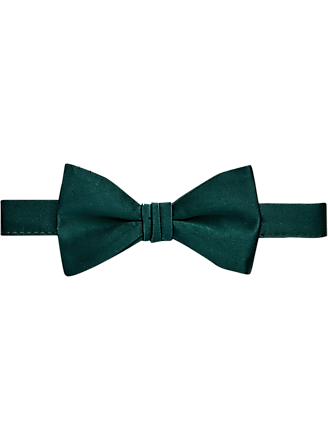
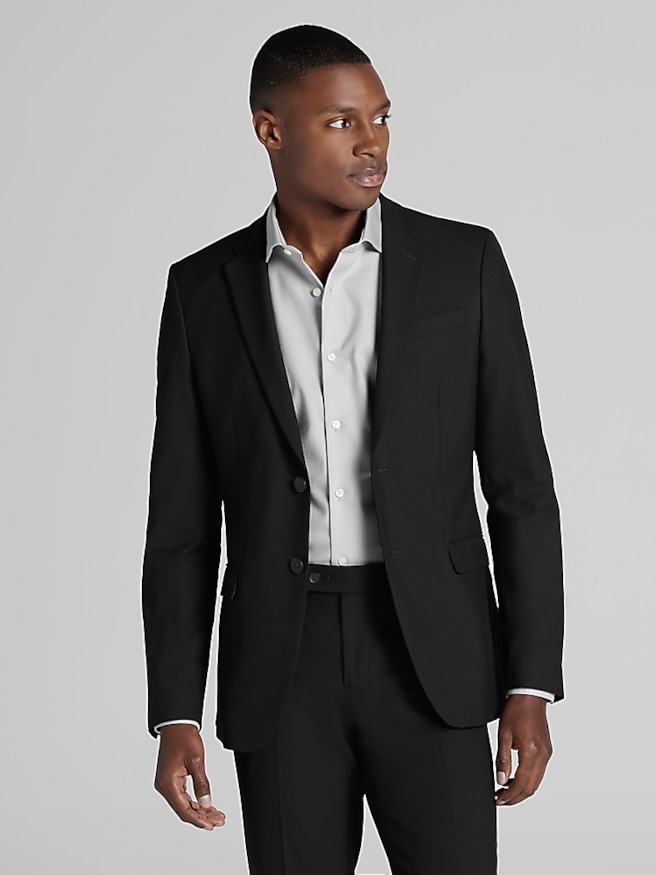
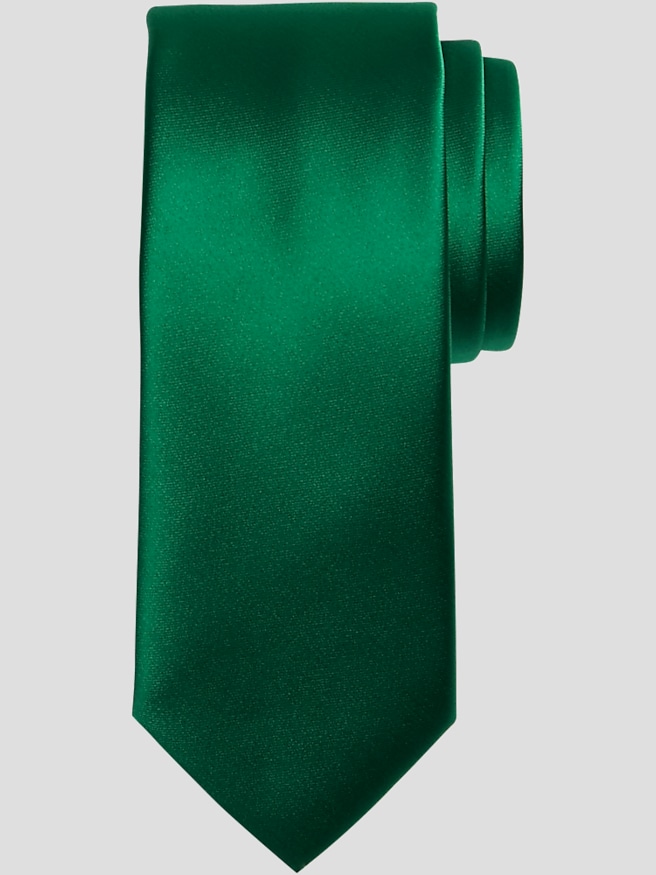
A black and green wedding palette brings depth and character to wedding attire, pairing the clean definition of black with green tones that can feel richly formal, softly understated, or somewhere between the two. Emerald creates a pronounced contrast against black, while forest green produces a quieter combination with a similar sense of depth. Sage and muted olive introduce a softer effect, especially when balanced with a crisp white shirt and restrained accessories. Across suits, tuxedos, shirts, and finishing pieces, the relationship between those colors matters more than having every detail match exactly. A black suit with a green tie reads differently from a green suit grounded by black shoes and a black bow tie, even though both belong comfortably within the same celebration. That flexibility makes the palette useful for grooms, groomsmen, wedding guests, and family members whose attire needs to coordinate without looking identical. For a ceremony with a formal dress code, traditional tuxedo details such as satin lapels and a neatly proportioned bow tie bring structure to the color story. At a less formal venue, a tailored suit and a textured necktie can express the same theme with less ceremony. The setting helps establish the balance: polished stone, dark wood, leafy arrangements, and white table linens each bring out something different in green fabric. Photographs also make contrast important. Very dark green may appear almost black in a dim reception room, while a brighter green accent remains more visible against a dark jacket. A little separation between the main fabric and the accessories keeps the outfit from becoming one flat block of color. Couples considering a bluer accent can also explore the black and teal wedding palette, which offers a related contrast with a distinct color character. Within a black and green theme, the most convincing combinations give one color the leading role and allow the other to provide definition rather than compete for attention.
Fabric and fit give that color palette its finished appearance. Wool suiting is valued for its drape, resilience, and ability to hold a tailored shape, making it a versatile foundation for clothing worn through a ceremony, portraits, dinner, and dancing. Wool blends can offer a different balance of texture, flexibility, and maintenance, depending on their composition. A small amount of stretch may make movement easier, but it does not replace enough room across the back, through the seat, and at the thighs. Velvet brings a deeper, more dimensional surface to green, with the color appearing lighter or darker as the pile catches the light. Satin creates a smoother reflection, while matte woven fabrics keep the emphasis on silhouette. Those distinctions are especially noticeable when black and green sit directly beside each other. A lustrous green accessory against a matte black jacket adds contrast without introducing another color; several glossy surfaces together create a more conspicuous effect. The right fit keeps those details looking deliberate rather than distracting. Jacket shoulders should follow the body without extending noticeably beyond it, and the lapels should rest smoothly when the jacket is fastened. Pulling around the button, a collar that lifts away from the shirt, or sleeves that bunch at the wrist can interrupt an otherwise polished outfit. Trousers need enough ease for sitting through dinner and stepping comfortably onto the dance floor, with a hem that complements the shoe rather than collecting heavily over it. Slim, tailored, and classic fits describe different silhouettes, not different levels of formality, and the best choice depends on body proportions and personal comfort. A close fit is not automatically a better fit. Shirt collars deserve similar attention, particularly with a bow tie or a fully fastened necktie: the collar should look crisp without feeling restrictive. For wedding party members with different builds, consistent green tones and comparable levels of formality usually create more visual unity than insisting on the same cut for everyone.
Finishing details help black and green wedding attire feel personal while remaining connected to the occasion. A pocket square can echo the green in a tie without repeating its exact fabric or pattern, and a small amount of white can provide a clean visual pause between darker elements. When a boutonniere includes greenery, its shape and placement become part of the outfit as well; an oversized arrangement can crowd a narrow lapel, while a compact one leaves the tailoring visible. Black leather footwear provides a straightforward foundation, with a smooth, polished finish suited to dressier looks and quieter textures working with less formal suiting. Comfort matters over a full celebration, so shoes should feel secure at the heel and allow natural movement through the forefoot. Socks that connect visually with the trousers keep the line continuous when seated, while a subtle green detail can add personality without becoming the focal point. Metal accessories tend to look more cohesive when their finishes relate to one another, though they do not need to be perfectly identical. For someone giving cuff links or a tie as a wedding party gift, the recipient’s role, shirt style, and likelihood of wearing the piece again are useful considerations. Care also affects how well these clothes serve beyond the event. Fabric labels should direct cleaning decisions, particularly for velvet, satin trim, and garments made from mixed materials. A structured jacket benefits from a broad hanger that supports its shoulders, and trousers stored neatly are less likely to develop unwanted creases. Allowing garments to air after wear and addressing marks promptly according to the care instructions can reduce unnecessary cleaning. Direct heat or aggressive pressing may flatten texture or leave shine on dark fabric, so delicate finishes deserve extra caution. Repeated wear is easier when the underlying construction is sound: secure buttons, tidy seams, smooth linings, and neatly finished hems all contribute to durability. With that foundation, black and green wedding clothing can retain its purpose beyond a single set of photographs, with tailored separates and thoughtfully chosen accessories finding a place at future formal celebrations.