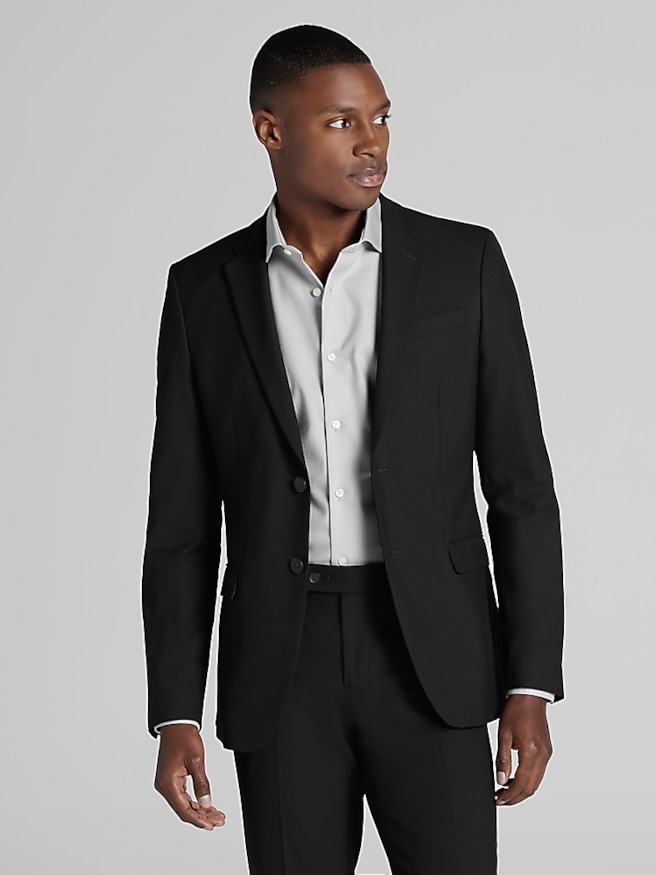
Elevated dressy casual suits for young men combine sharp tailoring, comfortable fabrics, and relaxed styling to create a polished look without the formality of traditional business or evening attire. The distinction is in the balance: a jacket and matching trousers establish a coordinated foundation, while softer construction, subtle texture, and an open neckline make the outfit feel less ceremonial. These suits suit the spaces between everyday casual clothing and a strict dress code, including creative workplaces, networking events, graduation celebrations, dinner dates, and receptions where a relaxed interpretation of tailoring is appropriate. For someone building a first adult wardrobe, that flexibility matters. The same coordinated suit can feel professional with a collared shirt or more laid-back with a fine-gauge knit and understated footwear. Navy, charcoal, and medium gray offer familiar starting points because they work with a broad range of shirt colors and shoe finishes. Brown, olive, and muted blue can bring more personality while remaining grounded, particularly when the fabric has a quiet texture rather than a bold pattern. Fabric composition influences how a suit looks and feels throughout the day. Wool is valued for its drape, breathability, and ability to recover from ordinary creasing, while wool blends can introduce other performance or texture characteristics depending on their composition. Cotton often has a more casual appearance and may develop visible creases that become part of its character. A small amount of stretch can add ease when sitting, reaching, or moving between appointments, though stretch should complement a good fit rather than compensate for a suit that is too tight. Surface texture also changes the impression: a matte finish and understated weave generally feel more relaxed than a pronounced sheen. For dressy casual dressing, the strongest choice is usually a fabric that hangs cleanly, feels comfortable against its lining, and looks natural in the places it will actually be worn.
Fit gives an elevated casual suit its confidence, especially when there is no tie or highly formal shirt to establish the tone. A slim silhouette can look contemporary, but the goal is a clean line rather than a close fit at every point. Jacket shoulders should sit near the natural shoulder line without hanging over the upper arm or pressing inward. With the jacket fastened, the front should lie relatively smooth; strong pulling around the button, flaring vents, or lapels that lift away from the chest can signal that the proportions need attention. Enough room through the chest and upper back makes a noticeable difference during a commute, a seated meal, or a conversation that involves more than standing still. Jacket length should look balanced with the torso and legs rather than unusually cropped, and sleeves should leave the hands free without swallowing the shirt cuff. Trouser fit deserves equal attention. A waistband that stays comfortably in place, a rise that allows easy sitting, and sufficient room through the seat and thighs contribute more to a polished appearance than an aggressively narrow leg. A tapered cut can create a neat outline, while a straighter cut offers another balanced option depending on build and preference. At the hem, a slight break or a clean finish near the top of the shoe keeps the overall effect deliberate. Alterations can refine sleeve length, trouser length, and some waist measurements, but major shoulder or proportion problems are better addressed through the original fit. Construction matters alongside measurements. Smooth linings, secure buttons, even stitching, and seams that remain flat during movement are useful signs to examine. Softer shoulder construction can support a relaxed impression, while some structure through the chest helps a jacket retain its shape. Neither approach is automatically better; the right balance depends on how the suit sits on the wearer and how comfortably it moves through an ordinary day.
Styling is where dressy casual tailoring becomes personal without losing its polish. An open-collar shirt creates a straightforward bridge between professional and social settings, particularly when its collar sits neatly beneath the jacket and its fabric is not overly stiff or shiny. A fine-gauge crewneck or knit polo changes the mood without adding bulk, while a smooth, well-fitting T-shirt can work in genuinely casual settings when the suit and footwear remain crisp. Keeping the layer beneath the jacket relatively simple allows the fabric, fit, and proportions to do the work. A textured suit usually benefits from a quieter shirt; a solid suit leaves more room for a restrained pattern or a richer accent color. Loafers, understated lace-up shoes, and clean, minimal sneakers each create a distinct level of formality, so footwear should reflect the setting rather than simply match the trousers. Sneakers belong only where the dress code permits them. Accessories can stay equally considered: a simple belt when the trousers call for one, socks that relate to the outfit, and a watch or pocket square used sparingly. For celebrations with more traditional expectations, explore Formal Wear For Young Men and follow the invitation’s stated dress code. Keeping a suit looking sharp also depends on routine care. The care label should determine cleaning and pressing methods, since shell fabrics, linings, and construction can respond differently to heat and moisture. A shaped hanger supports the jacket between wears, and hanging trousers neatly helps preserve their line. Gentle brushing, prompt attention to spills, and time to air out can reduce unnecessary cleaning, while professional care is appropriate when the label requires it. Rotating wears and avoiding overfilled pockets can also help limit stress and distortion. As a gift for a graduate, a college student, or someone beginning a first full-time role, a versatile suit can mark a meaningful milestone; knowing the recipient’s measurements, preferred fit, and everyday dress requirements makes that choice more personal and practical.