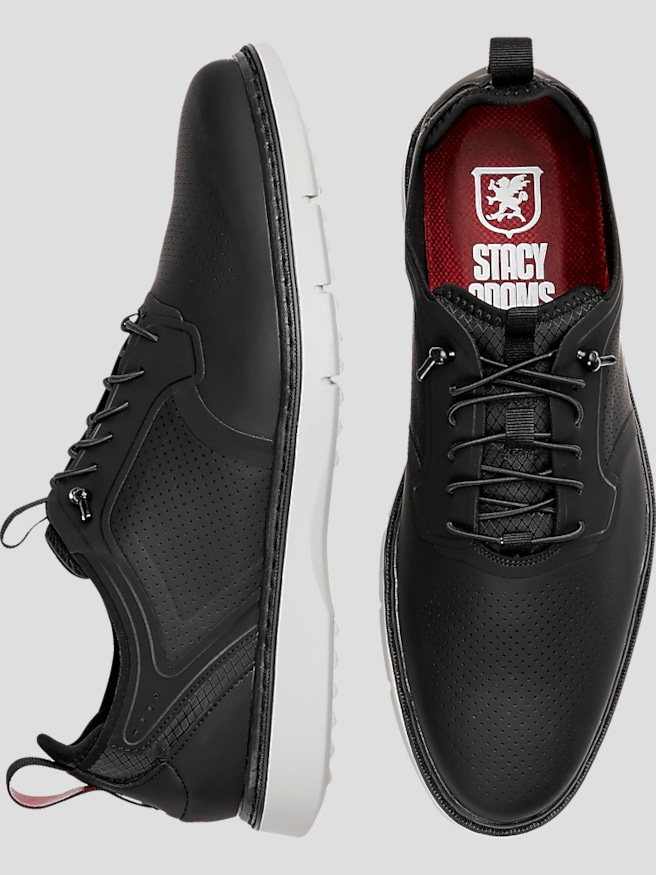
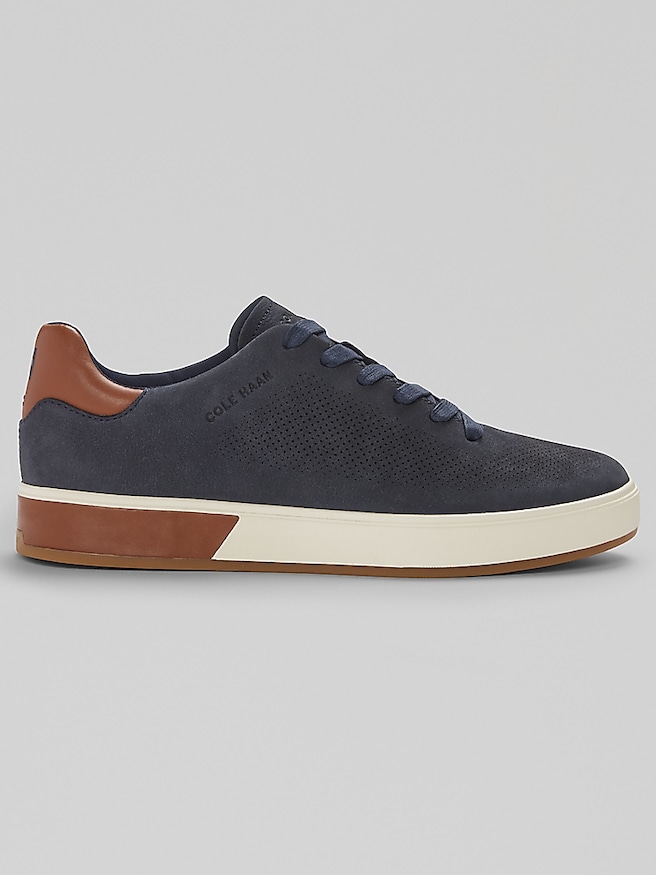
Elastic lace shoes pair the familiar appearance of lace-up footwear with stretch laces that flex as the foot moves. Depending on the design, the laces may be secured in place or use an adjustable closure, allowing the shoe to slip on and off without repeated tying once the fit is set. That combination makes men’s elastic lace shoes a practical choice for everyday routines: heading out for errands, moving between meetings, or packing footwear for a trip that includes plenty of walking. The appeal is not simply a quicker exit through the front door. Stretch laces can accommodate small changes in foot volume throughout the day while maintaining contact across the top of the foot, although their comfort depends on the shoe’s overall shape and construction. Some designs have the relaxed profile of a casual sneaker, while others bring together a streamlined upper, restrained stitching, and a low-profile sole for a more polished appearance. Smooth leather can look at home with chinos and a tucked-in shirt; textured knit or mesh creates a more casual effect with jeans and an unstructured jacket. For an office with a relaxed dress code, a clean silhouette and understated detailing often matter more than whether the closure uses traditional or elastic laces. For occasions with a formal dress code, traditional dress footwear may still be the more appropriate choice. Elastic laces also distinguish this category from No Lace Sneakers, which generally rely on other closure methods or a slip-on upper rather than a visible lace system. Both approaches can simplify getting dressed, but their feel across the instep may differ. Shoes designed with elastic laces should also be distinguished from conventional lace-up shoes fitted with aftermarket stretch laces. A purpose-built design may combine the lacing with a flexible tongue or collar, while a converted shoe retains its original upper and opening. In either case, the result should feel secure rather than loose, with enough flexibility for comfortable movement and enough structure to keep the foot positioned inside the shoe.
Materials and fit determine how well elastic lace footwear works beyond the first few steps. Leather uppers offer a defined shape and can develop natural creasing with wear, while suede adds a softer texture that calls for its own cleaning routine. Knit and mesh uppers often feel more flexible and may allow greater airflow, though the lining, overlays, and density of the fabric influence how breathable a shoe actually feels. Synthetic materials vary widely in softness, flexibility, and surface finish, so the material name alone does not establish comfort or durability. Inside the shoe, a smooth lining, comfortable footbed, and well-finished seams help reduce distracting pressure points. Underfoot, cushioning can soften the feel of a hard floor, while a stable heel and appropriately flexible forefoot help the shoe move without feeling flimsy. Try shoes with the socks intended for regular wear, and evaluate both feet while standing and walking. Toes should have room to move without pressing against the front or sides, and the heel should stay seated without persistent slipping. Across the instep, elastic laces should feel comfortably snug, not leave pronounced pressure marks or pull the upper into tight ridges. A high instep may need a more accommodating opening or an adjustable lace system; a narrower foot may benefit from a closer-fitting upper that does not depend on excessive lace tension. Stretch is not a substitute for the correct size or width, and a shoe that pinches in the toe box is unlikely to become suitable simply because its laces give. For someone who spends much of the day walking between buildings or standing at a counter, sole construction and support deserve as much attention as convenient entry. Check the intended use as well: casual elastic lace shoes are not automatically designed for running, strenuous exercise, or workplaces that require certified protective or slip-resistant footwear. Durability comes from the complete construction, including secure seams, reinforced eyelets, resilient lace attachments, and an outsole suited to the surfaces encountered most often.
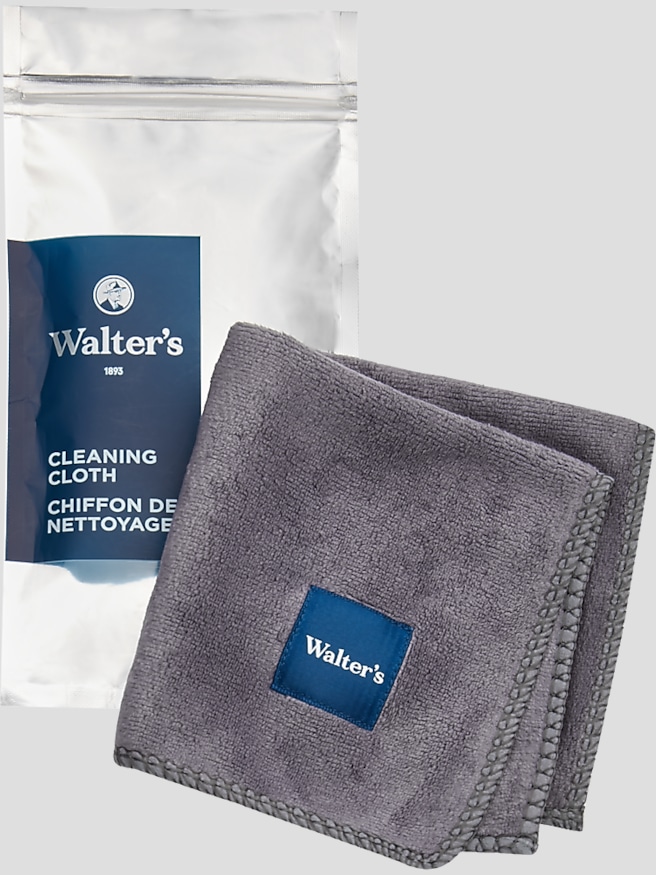
Thoughtful care helps preserve both the appearance of elastic lace shoes and the flexibility that makes them useful. Remove surface dust and dirt before it settles into textured fabric, seams, or the spaces around the eyelets. For smooth leather, follow the maker’s instructions for cleaning and conditioning, using products appropriate to the finish rather than treating every leather surface alike. Suede generally needs a suitable brush and targeted care, while knit and mesh often respond best to gentle cleaning that avoids soaking the entire shoe. Machine washing is appropriate only when the care instructions expressly allow it. Clean elastic laces gently, avoid harsh chemicals, and let footwear air-dry away from direct heat, which can damage some uppers, adhesives, and elastic components. Pulling shoes on by crushing the heel can distort the back of the upper; opening the shoe properly or using a shoehorn helps protect that structure. Periodically check the laces for fraying, stretched-out sections, or loose attachment points. Replacement may be possible with some designs, but integrated systems should be handled according to the manufacturer’s guidance rather than cut or altered without checking. When shoes are not being worn, storing them in a ventilated space and allowing them to dry fully between uses supports a more comfortable interior. These practical details matter for footwear that becomes part of a daily routine. A pair used for commuting should feel dependable on the walk from the station, not merely look neat beneath a trouser hem. Travel footwear should be comfortable for extended wear and easy to remove when needed, without requiring a constant adjustment afterward. Elastic lace shoes can also be a thoughtful gift for a father, partner, or adult son who appreciates uncomplicated dressing. For someone who finds tying laces difficult, the design may reduce that particular task, although a snug opening can still require effort. Knowing the recipient’s size, width, preferred materials, and usual wardrobe makes the choice more personal—and more likely to become footwear reached for regularly.