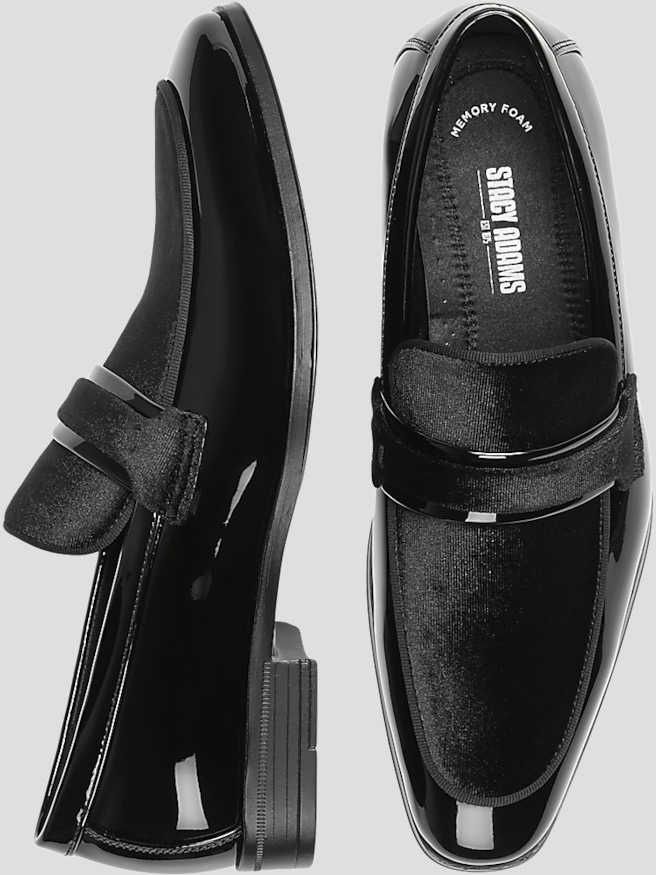
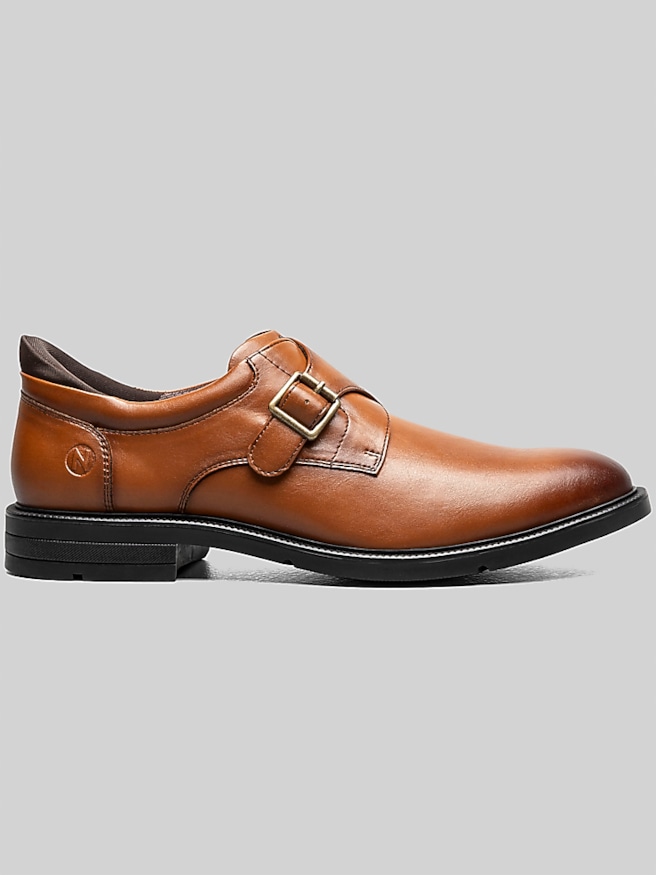
Double monk shoes bring a distinctive finish to tailored clothing: two straps cross the instep, each secured by a buckle, creating a clean silhouette without the visual texture of laces. That combination of structure and detail gives them a useful place between understated dress shoes and more expressive footwear. With a suit, the buckles introduce a small point of interest beneath the trouser hem; with chinos and a sport coat, the same design adds polish without making the outfit feel overly formal. Their character depends on more than the double-strap closure. A gently rounded toe tends to look traditional and versatile, while a slimmer, almond-shaped toe creates a sharper profile. Broguing, cap-toe seams, and visible stitching can add texture, whereas an uninterrupted toe keeps the overall appearance quieter. Black leather works naturally with charcoal and dark gray tailoring, especially when a crisp, businesslike impression matters. Brown shades offer a different effect, from dark tones that sit comfortably beneath navy trousers to lighter finishes that make the shoes a more noticeable part of the outfit. The relationship between shoe color and the rest of the clothing matters more than an exact match: a belt in a similar color family usually creates a cohesive result without requiring identical leather finishes. Trouser shape also affects how double monk shoes look. A hem that rests lightly over the shoe leaves enough room for the buckles to appear as the wearer moves, while excessive fabric can hide the details and bunch around the straps. For office days, client meetings, interviews, and wedding celebrations where a suit is appropriate, double monks can convey care and personality without relying on bold patterns or unusual colors. They also work with clean, dark denim in settings that welcome a dressed-up casual approach. Their appeal lies in that balance: recognizable dress-shoe construction, a practical closure, and enough individuality to make a familiar outfit feel considered.
Materials and construction shape how double monk shoes feel as much as how they look. The double-buckle design belongs to the broader family of men's leather monk strap shoes, with the upper, lining, footbed, and sole each contributing to comfort and wear. Smooth leather can develop subtle creasing and a richer surface character with use, while suede gives the same buckle arrangement a softer, more relaxed appearance. A glossy finish tends to emphasize the shoe's dressier side; a matte or lightly textured surface is often easier to pair with less formal trousers. Leather-lined interiors can provide a comfortable surface against the foot, and cushioning may help soften the feel of repeated steps, though neither feature replaces a sound fit. Sole choices deserve attention as well. Leather soles have a traditional appearance and can feel firm at first, while rubber soles may offer additional grip and flexibility, depending on their design. For someone who walks between an office, parking garage, and nearby appointments, those underfoot differences can matter more than a decorative detail. Fit should account for the shape of the foot rather than the size printed inside the shoe alone. The toes need room without sliding forward, the widest part of the foot should sit comfortably within the shoe, and the heel should feel secure rather than lifting noticeably with each step. Double straps allow some adjustment across the instep, but their buckle settings cannot correct a shoe that is too narrow, too long, or poorly matched to the foot's volume. A high instep may need more room beneath the straps, while a lower-volume foot may need a closer-fitting shape to avoid looseness. The socks intended for everyday wear also influence fit, particularly when moving between thin dress socks and heavier casual styles. New leather may soften, but persistent pinching, pressure over the instep, or cramped toes are signs to reconsider the fit rather than expect wear to solve the problem.
Long-term satisfaction with double monk shoes comes from matching their construction to their intended use and giving the materials consistent care. A pair worn for occasional dinners and ceremonies faces different demands from shoes worn through a full workday several times a week. Flexible soles and supportive interiors can be valuable for extended wear, while the quality of seams, buckle attachments, and sole edges helps determine how well the shoes tolerate repeated movement. Welted construction may allow resoling, depending on the shoe and the assessment of a qualified repair professional; other construction methods have different repair possibilities. No single feature guarantees longevity, so overall workmanship and appropriate use remain important. Routine care can preserve both appearance and comfort. Smooth leather benefits from removal of surface dirt and occasional conditioning with a product suited to its finish, while a compatible cream or polish can help maintain color and sheen. Suede requires its own approach, using a suitable brush and products made for the material rather than ordinary leather polish. Buckles can usually be kept presentable with a gentle wipe, taking care not to transfer metal-cleaning products onto the upper. Allowing shoes to air out between wears helps the lining dry, and properly fitted shoe trees can support the shape while reducing pronounced creases. Shoes that become damp should dry naturally away from direct heat, which can stiffen or damage leather. Opening the straps before putting the shoes on or taking them off reduces unnecessary strain on the closure and heel; a shoehorn offers another simple way to protect the back of the shoe. These details are particularly worthwhile for someone building a dependable professional wardrobe or choosing footwear for repeated special occasions. Double monk shoes can also make a thoughtful gift for a graduate entering a professional setting, a partner who enjoys tailored clothing, or someone celebrating a career milestone. Familiarity with the recipient's usual size, preferred toe shape, and everyday dress habits makes that choice more personal. The most useful pair is one that feels comfortable, suits the wearer's clothing, and brings a distinctive finish to occasions that call for polish.