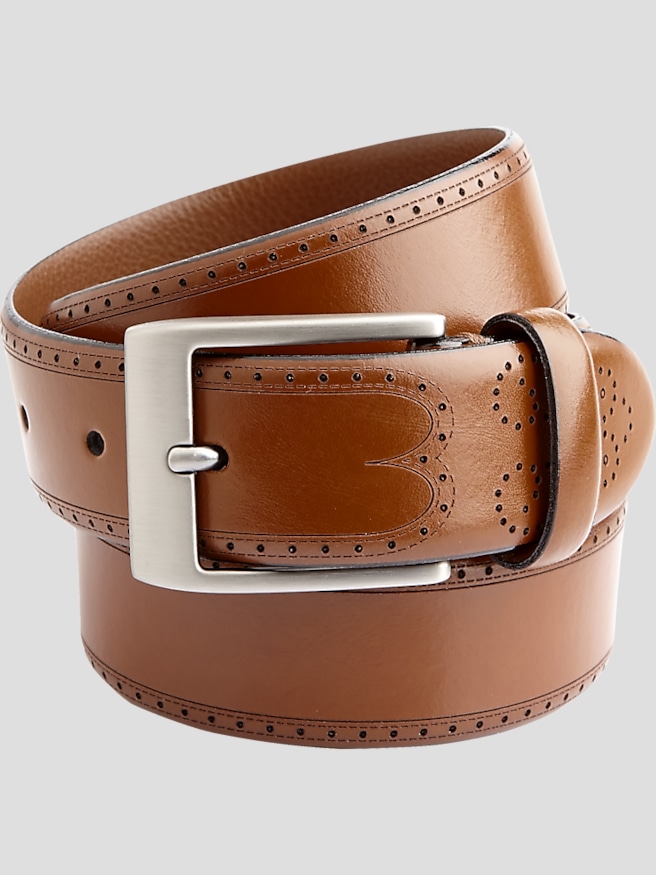
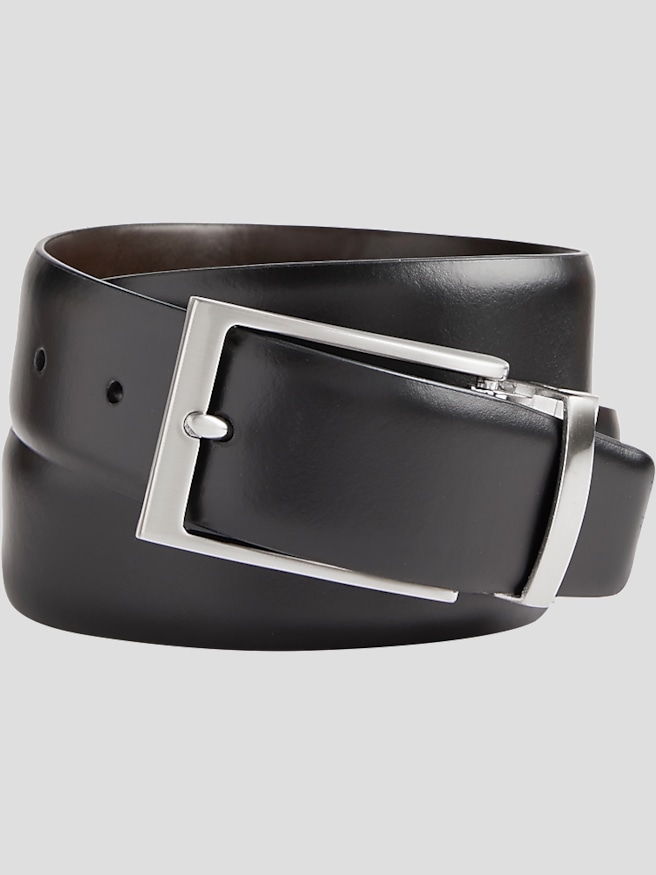
Double buckle belts bring a distinctive focal point to an outfit, combining the everyday function of a belt with hardware that deserves to be seen. The name can describe more than one construction. Some designs incorporate two separate buckle units, while double-prong belts use one buckle with two pins that fasten through paired holes in the strap. These details create different looks and fastening arrangements, so the closure matters as much as the overall appearance. A double-prong design secures the strap at two points, but its strength and comfort still depend on the leather or fabric, the quality of the hardware, and the fit. Western-influenced double buckle belts often feature shaped metalwork, engraved surfaces, or decorative tips, giving a plain shirt and dark jeans a more expressive finish. Cleaner designs with smooth straps and restrained hardware can feel equally at home with chinos and an unstructured jacket. Buckle proportions make a noticeable difference: broad, substantial hardware emphasizes the waist, while smaller buckles keep the effect more understated. Polished silver-tone finishes create a crisp contrast against black leather, and warmer metal tones can complement brown straps and textured fabrics. Brushed or antiqued finishes tend to look less reflective, making them an easy match for denim and other casual clothing. When the buckle is the main detail, a tucked shirt or a neat partial tuck leaves enough of it visible without competing with elaborate patterns elsewhere. With tailored trousers, a relatively slim strap and modest hardware generally create a cleaner line than a wide, heavily embellished belt. More decorative styles suit casual dinners, concerts, and occasions where accessories can carry a little personality. The most convincing combinations do not require every metal detail to match perfectly; a consistent level of formality between the belt, shoes, watch, and clothing usually matters more. A rugged buckle with sturdy boots feels intentional, just as a refined finish works naturally with smooth leather shoes.
Material and construction influence how a double buckle belt looks, feels, and holds its shape over repeated wear. Full-grain leather retains the hide’s natural surface and can develop a distinctive patina, while top-grain leather often has a more uniform finish. Neither label alone tells the whole story: thickness, tanning, edge finishing, and stitching also affect performance. Suede offers a softer, more textured appearance, though its nap needs protection from spills and abrasion. Fabric straps can feel more relaxed, with durability depending on the weave, reinforcement, and the way the hardware attaches. For synthetic materials, the backing and surface coating deserve attention because repeated bending can reveal weaknesses at the holes and buckle fold. A lined leather strap may provide a smooth surface against clothing, while a substantial single-layer strap can have a straightforward, sturdy character. Even stitching, neatly finished edges, and firmly seated hardware help a belt look polished without relying on decoration. Fit begins with the relationship between the strap width, the buckle, and the trouser loops. A belt should pass through the loops comfortably rather than needing to be forced, and the hardware should sit flat enough for comfortable movement. The best length usually allows fastening near the middle of the adjustment range, leaving room for small changes without an excessively long tail. Belt sizing varies, so a waist measurement and the relevant sizing information are more dependable than assuming a trouser size will translate exactly. Measuring a belt that already fits, from the buckle’s fastening point to the hole used most often, can provide a useful reference. On double-prong designs, both pins should enter their corresponding holes cleanly; forcing a mismatched position can distort the strap. Designs with two separate buckles may adjust differently, making the closure layout especially important. Comfort while sitting matters, too. A buckle that feels balanced when standing should not dig in during a drive or bunch the shirt beneath it. Heavy hardware also benefits from a strap firm enough to support it without sagging or twisting.
Regular care helps preserve both the strap and the distinctive hardware that gives double buckle belts their appeal. For smooth leather, a soft cloth removes everyday dust, and an occasional application of a conditioner appropriate to the finish can help maintain flexibility. Too much conditioner can darken leather or leave residue, so a small amount tested on an inconspicuous area is preferable to heavy treatment. Suede calls for a suitable suede brush rather than the same products used on smooth leather. Fabric and synthetic straps need care matched to their construction, especially when leather trim or metal components are involved. Water should be blotted away promptly, with the belt allowed to dry naturally away from direct heat. Buckles generally need only a gentle wipe; abrasive polish can damage plating, darkened finishes, or engraved details. Hanging a belt straight or storing it in a loose roll helps avoid sharp creases, particularly near the fastening holes. Repeatedly pulling against the buckle to tighten an overly loose pair of trousers puts unnecessary stress on the strap, so a belt works best as a finishing accessory rather than a substitute for well-fitting pants. Over time, slight color variation and gentle creasing can give leather character, but cracking, torn holes, loose stitching, or shifting hardware deserve attention. For daily wear, a smooth back surface and secure attachment points are just as valuable as an appealing front view. As a gift, a double buckle belt suits someone who enjoys distinctive accessories, wears tucked shirts, or favors denim and boots. An existing belt can offer clues to the right length, preferred strap width, and metal finish without relying on guesswork. The appeal of Unique Belts lies in those personal details: an engraved buckle, a subtle texture, or a shape that makes familiar clothing feel more individual. A well-chosen double buckle design balances that character with comfortable proportions and dependable construction, giving it a useful place in an everyday wardrobe rather than reserving it only for special occasions.