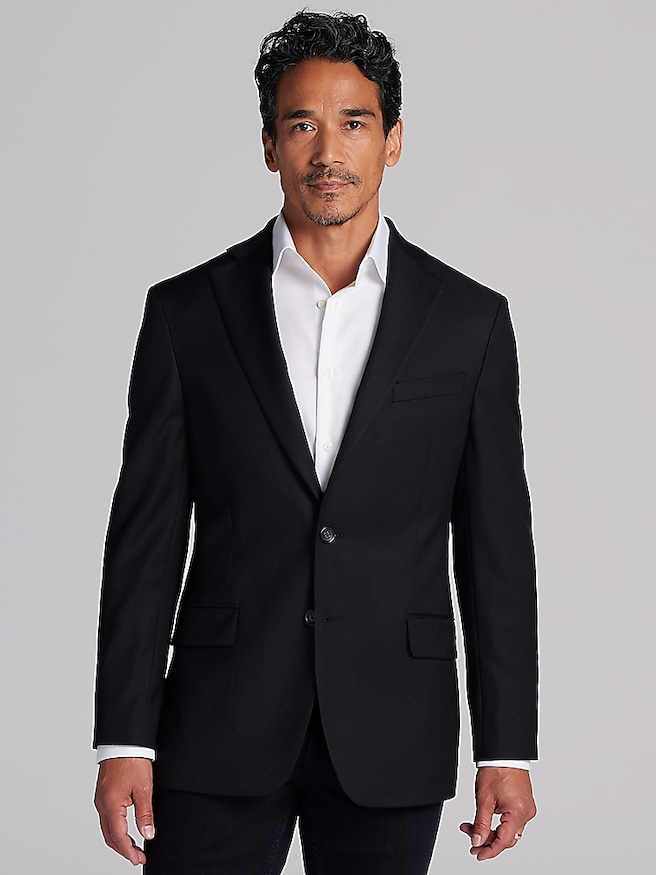
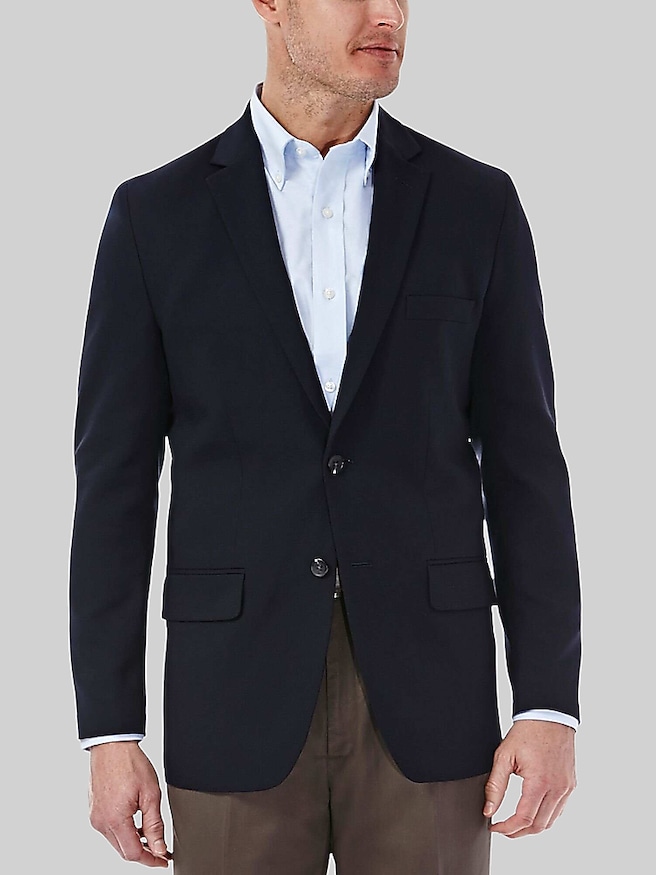
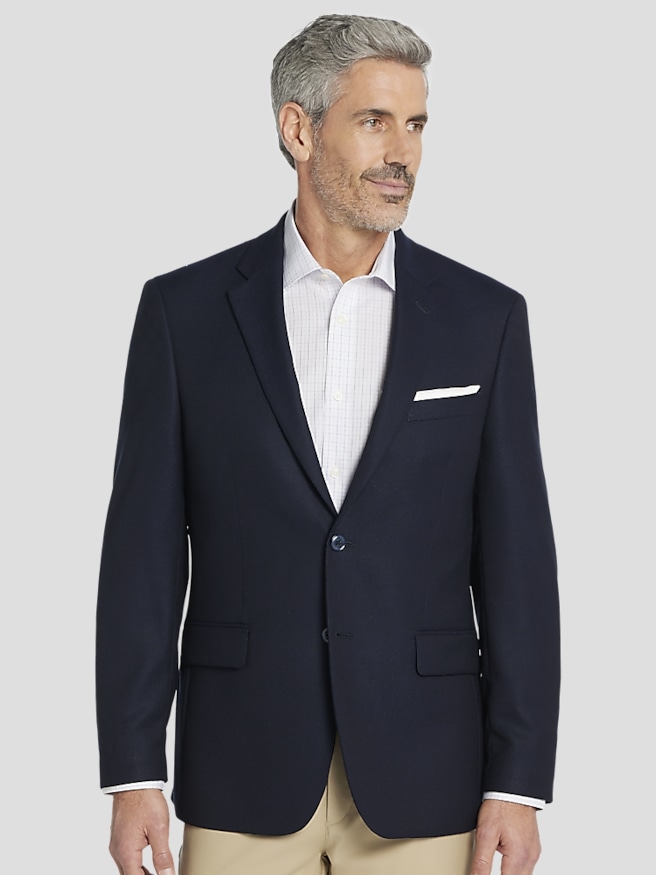
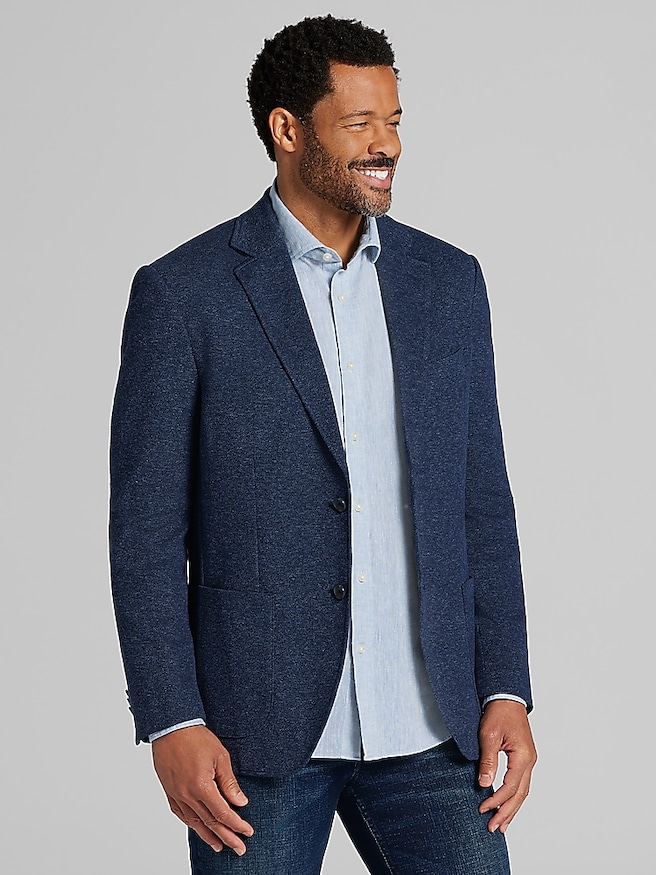
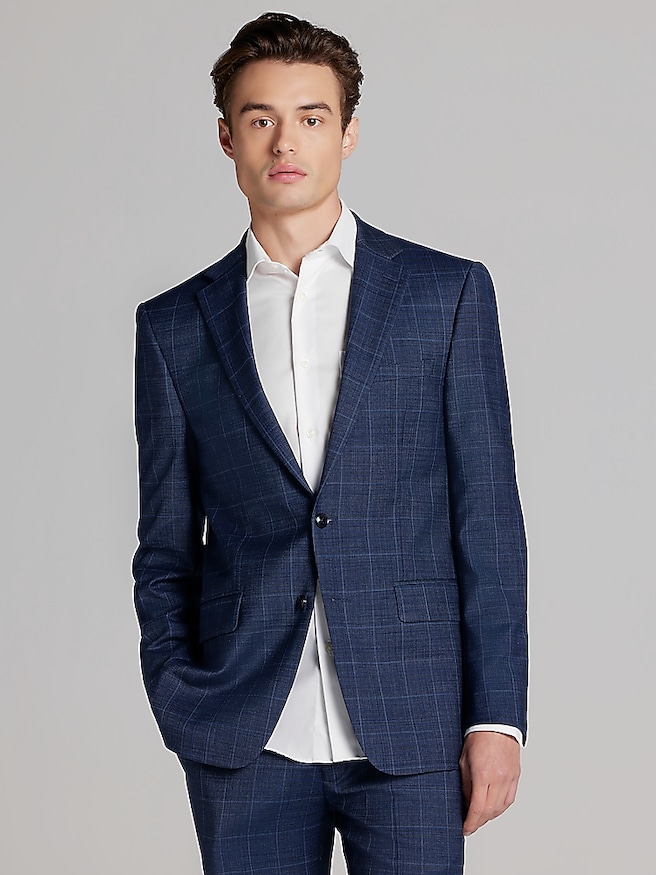
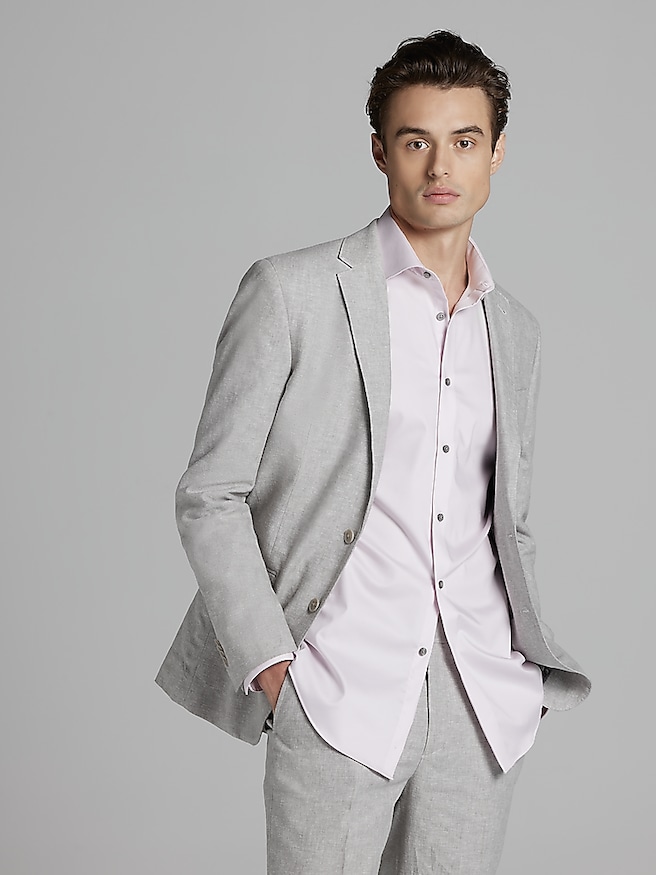
Designer blazers are tailored jackets worn as separates, with an emphasis on silhouette, fabric, construction, and distinctive design details. Unlike a suit jacket designed with matching trousers, a blazer creates a finished look through contrast: a navy jacket against gray pants, a textured weave over a smooth shirt, or a softly constructed shoulder paired with polished denim. For men who want a wardrobe that moves comfortably between professional settings and social occasions, that flexibility is a large part of the appeal. The character of a designer blazer often comes through in details that become more noticeable up close, such as the shape of a lapel, the placement of a pocket, the depth of a button stance, or the way a fabric catches the light. Notch lapels tend to feel understated and versatile, while peak lapels create a stronger, more expressive line across the chest. Patch pockets contribute to a relaxed appearance; flap or welt pockets generally give the front a cleaner, dressier finish. Fabric also influences how a blazer looks and behaves throughout the day. Wool can offer resilience, a smooth drape, and the ability to recover from light creasing. Cotton often has a more casual character, while linen brings visible texture and a naturally relaxed finish that includes some wrinkling. Blended fabrics may combine these qualities, and a small amount of stretch can add ease when reaching, sitting, or moving through a busy schedule. A textured weave can bring depth to a solid color without making an outfit feel busy. Lining and internal structure matter as much as the outer cloth: a more structured chest can create a defined outline, while lighter construction follows the body with less formality. The designer designation alone does not establish fabric quality or construction, so the substance of a blazer lies in how its materials, proportions, and finishing work together.
The most useful designer blazers feel appropriate for the places they will actually be worn. In an office where a full suit feels too formal, a solid blazer with tailored trousers and a button-down shirt creates a professional appearance without looking ceremonial. For a client dinner, the same category of jacket can take on a more refined character with a fine-gauge knit, pressed pants, and leather loafers. Dark, clean-lined denim and an uncomplicated crewneck can make a softly tailored blazer feel at home at a restaurant or an arts event, provided the setting allows a more relaxed dress code. Weddings and celebrations call for closer attention to the invitation: a blazer can suit some cocktail or less formal occasions, but it is not a substitute for attire specifically required by a formal dress code. Color and pattern give these jackets much of their range. Navy and charcoal provide a restrained foundation, while brown, burgundy, and muted green can introduce personality without dominating an outfit. For more visual detail, Patterned Blazers offer another way to approach tailored separates, from subtle checks that read almost solid at a distance to more pronounced windowpane designs. A patterned jacket usually looks most cohesive when the shirt and trousers give the eye somewhere quiet to rest. Picking up one subdued color from the pattern can connect the outfit without making every element match. Texture can play a similar role: a softly napped surface feels different from a crisp, smooth finish even when both jackets share the same color. Accessories work best when they support that character. A textured tie can complement a relaxed weave, while a simple pocket square can add definition to a dressier combination. Leaving a little contrast between the jacket and pants also helps a blazer look intentional rather than like one half of an almost-matching suit.
Fit determines whether those design details come across as polished or distracting. A well-proportioned blazer rests smoothly across the shoulders, with the shoulder seam generally meeting the natural edge rather than extending far beyond it. The collar should sit close to the shirt collar, and the lapels should lie cleanly instead of bowing away from the chest. When the jacket is fastened, the front should follow the torso without pulling into a pronounced X around the button. Slimmer cuts create a closer outline, but they still need enough room for comfortable movement; roomier cuts should look deliberate rather than loose through every area. Jacket length and button placement affect the balance between the torso and legs, so the best result depends on the wearer’s proportions rather than a size label alone. Sleeves are commonly finished to reveal a small amount of shirt cuff, while casual combinations may call for a slightly different visual balance. Sitting down, reaching forward, and moving the arms can reveal restrictions that are easy to miss while standing still. For someone buying a blazer as a gift, a familiar jacket size, preferred fit, and knowledge of the recipient’s usual occasions are more useful than guessing from height alone. Long-term appearance also depends on care. Following the garment’s care label is essential because wool, cotton, linen, linings, and structured interiors may need different treatment. A broad, supportive hanger helps preserve the shoulders, and allowing space in the closet reduces crushing and stubborn wrinkles. Emptying pockets after wear helps prevent distortion, while a gentle clothing brush can remove surface dust from suitable fabrics. Cleaning should follow the label and the condition of the garment rather than an automatic schedule after every wear. Persistent stains or concerns about pressing are best handled by a cleaner experienced with tailored clothing. With appropriate care, sound construction, and a fit suited to everyday movement, a designer blazer can remain a dependable part of a well-considered wardrobe.