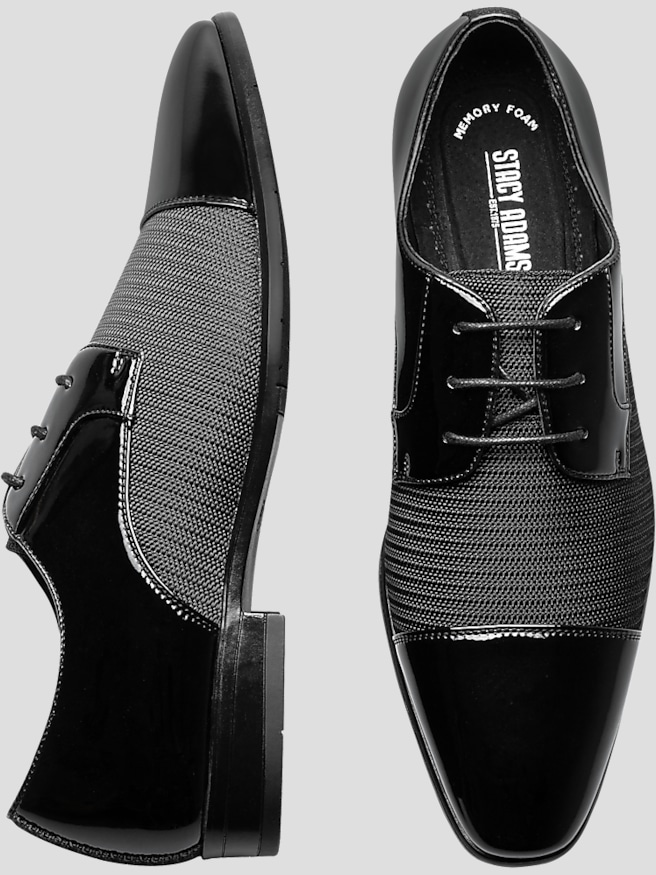
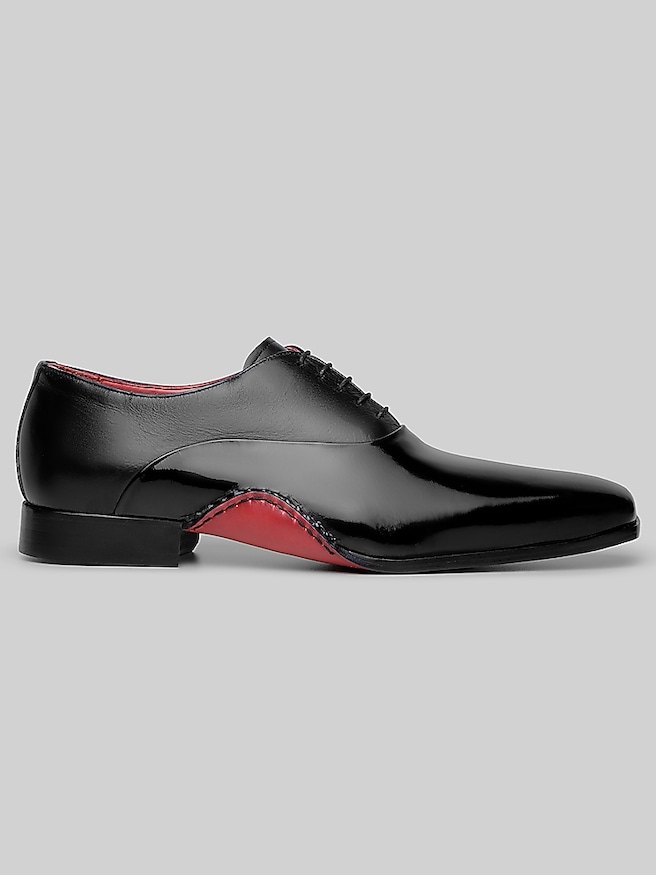
Day-to-night shoes bring together a polished appearance, a comfortable fit, and enough versatility to move from work to dinner without a change of footwear. For men whose schedules include a morning commute, afternoon meetings, and an evening reservation, the most useful styles look intentional with both tailored clothing and more relaxed outfits. Leather loafers, lace-up dress shoes, and understated leather sneakers each serve a place in that rotation, with the right choice depending on the dress code. An Oxford’s closed lacing creates a clean, formal profile that complements a suit, while a derby’s open lacing offers a slightly more relaxed appearance and more room to adjust across the instep. A streamlined loafer sits comfortably between those moods, pairing naturally with dress trousers, chinos, or dark denim when the occasion allows. Minimal leather sneakers belong on the casual end of the spectrum; they can work with unstructured tailoring in a relaxed office, but they do not replace dress shoes at a formal event. Color and shape make a noticeable difference, too. Black leather gives tailored outfits a crisp finish, dark brown brings depth to navy and gray, and burgundy can add interest without becoming the centerpiece of the outfit. A rounded or softly tapered toe generally offers more styling flexibility than an exaggerated point or bulky square shape. With day-to-night suits, shoes with restrained stitching, balanced proportions, and a well-kept finish help maintain a cohesive look from the first meeting through the last conversation over dinner. The goal is not to make every shoe suit every setting. It is to find the overlap between daily comfort and the level of polish evening plans require. For someone heading straight from a client presentation to an anniversary dinner, that may mean a dark leather lace-up. For a creative office followed by a neighborhood restaurant, a simple loafer may feel more natural. The most versatile pair respects both destinations rather than looking too casual for one or unnecessarily formal for the other.
Materials and construction influence how day-to-night shoes feel after several hours, not just how they look in a mirror. Smooth leather offers a refined surface that can be cleaned, conditioned, and polished, making it a practical choice for regular wear when maintained appropriately. Full-grain leather retains the hide’s natural surface and can develop character with use, although leather quality, thickness, and construction all affect performance. Suede brings a softer, more relaxed texture that works especially well with chinos and textured tailoring, but it calls for its own brush and care products rather than conventional shoe polish. Linings, seams, and footbeds deserve just as much attention as the upper. A smooth lining can reduce friction, while cushioning and a supportive footbed may make standing through a reception more comfortable. More padding does not automatically mean a better fit; a shoe still needs to hold the foot securely without squeezing it. The toes should have room to move, the widest part of the foot should sit comfortably within the shoe, and the heel should feel stable without persistent rubbing. Trying shoes with the socks intended for everyday wear gives a more realistic sense of fit, especially when comparing dress socks with thicker casual pairs. Feet can expand over the course of a day, so an afternoon fitting can reveal pressure that might not be obvious early in the morning. Leather may soften with wear, but a break-in period should not be expected to correct pinched toes or inadequate width. Underfoot, leather soles offer a traditional dress-shoe appearance, while rubber soles can provide useful cushioning and traction, depending on their design. A discreet rubber sole or insert may suit someone who walks between an office, a train platform, and a restaurant. Flexibility matters as well: the shoe should bend where the foot naturally bends, rather than feeling rigid through every step. These details become especially noticeable when an evening includes more standing or walking than the workday did.
Keeping shoes ready for both daytime responsibilities and evening plans depends on thoughtful care as much as initial selection. Dust and surface dirt can dull leather and collect along stitching, so a quick wipe with a soft cloth after wear helps preserve a clean appearance. Conditioning should follow the material’s care directions, with polish matched to the leather’s color and finish when appropriate. Suede needs a gentler approach: regular brushing lifts the nap, while a suitable suede eraser can address some small marks without flattening the texture. Care products should always be tested in an inconspicuous area first. Shoe trees sized to the footwear can help maintain shape between wears, and allowing shoes to air out before putting them away helps manage moisture from normal use. Alternating pairs when possible gives each one time to dry fully and can reduce the strain of repeated daily wear. Durability also shows up in less visible details, including secure stitching, a firmly attached heel, and an outsole suited to the surfaces encountered most often. Some stitched constructions can be resoled by a qualified cobbler, though repair options depend on the individual shoe. Replacing worn heel tips or addressing a loose sole promptly may prevent more extensive damage. For frequent travelers, versatile footwear can simplify packing by serving several outfits, provided the planned occasions share a similar dress code. For a graduate building a professional wardrobe or someone starting a role with regular client contact, a comfortable, understated pair can become a dependable foundation. Shoes can also make a thoughtful gift when the recipient’s size, preferred width, and everyday style are already known. Whether the destination is a business dinner, a date, or a gathering with friends, well-chosen day-to-night shoes allow the outfit to stay composed without asking the feet to tolerate an uncomfortable compromise. A familiar fit, appropriate construction, and consistent care matter far more over a full schedule than decorative details alone.