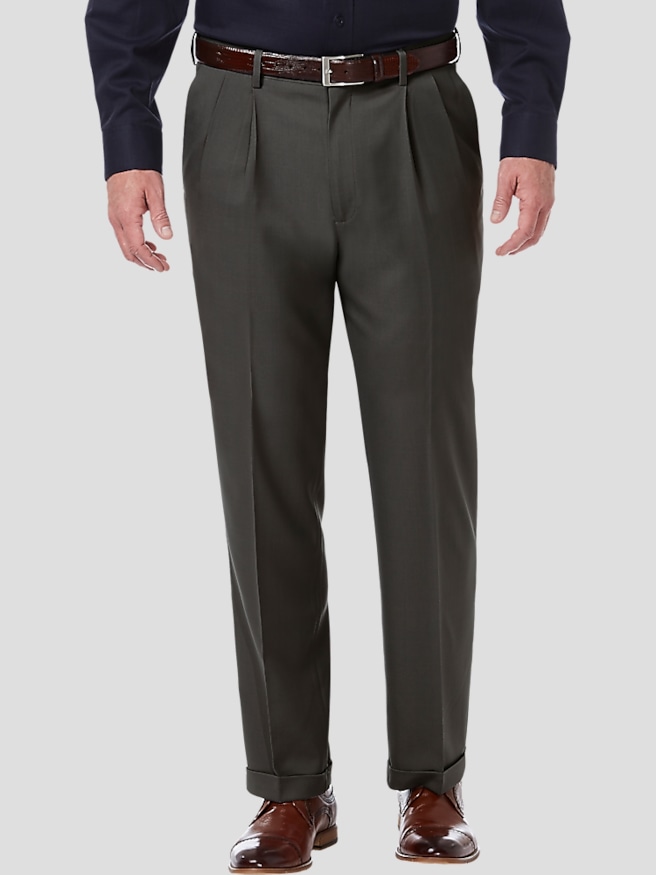
Day-to-night pants combine the clean appearance of tailored trousers with the comfort needed for a full schedule, making them a practical choice for men moving between work, everyday plans, and evening occasions. Rather than describing one particular fabric or silhouette, the term refers to pants that look appropriate in several settings without requiring a complete outfit change. A pair might sit neatly beneath a tucked-in shirt at the office, then feel equally at home with an open-collar knit polo at dinner. The details that make that transition convincing are often subtle: a smooth waistband, pockets that lie flat, a balanced leg shape, and fabric that drapes instead of clinging. Neutral colors such as navy, charcoal, black, and medium gray provide an adaptable foundation, while restrained textures can add depth without making the pants difficult to coordinate. Fit matters as much as color. Slim silhouettes follow the leg closely, tailored cuts offer a defined shape with room to move, and straight-leg styles create a clean line without narrowing sharply toward the ankle. These descriptions can vary, so the way the waistband, seat, and thighs feel is more useful than the fit name alone. Comfortable trousers should allow sitting through a meeting or settling into a restaurant booth without pulling across the lap or digging at the waist. A rise that feels secure and a hem that works with the intended shoes help the entire outfit look deliberate. Excess fabric pooling at the ankle can make even a polished outfit appear unfinished, while an overly short hem may feel less versatile in a traditional workplace. For commuters, frequent travelers, and anyone whose dinner reservation follows closely behind the last appointment of the day, well-proportioned pants offer continuity: the outfit still looks considered, even when there is no opportunity to stop home and change.
Fabric influences how day-to-night pants feel, move, and hold their appearance after hours of wear. Cotton twill brings a familiar, substantial hand and a more relaxed character, making it useful where the dress code falls between casual and tailored. Wool can provide fluid drape and a refined surface, with natural resilience that helps it recover from some light creasing. Blends may combine those qualities with synthetic fibers selected for strength, shape retention, or easier maintenance. A small amount of elastane can add flexibility through the seat and knees, although stretch alone does not guarantee comfort; fabric weight, construction, and cut all contribute. Knit constructions tend to feel more forgiving in motion, while woven fabrics often deliver a crisper outline. Neither is automatically better for a long day. The useful distinction is whether the pants return to a tidy shape after sitting, walking, and getting back up again. A fabric that bags noticeably at the knees may feel comfortable initially but lose some of its evening polish. Surface texture also changes the impression: a smooth finish generally leans dressier, while a pronounced twill or softly brushed texture reads more relaxed. Durability depends on more than fabric thickness. Secure stitching, neatly finished seams, sturdy pocket openings, and a dependable waistband closure support repeated wear, particularly where a phone, keys, or daily movement places stress on the cloth. Care requirements deserve equal attention because versatile pants are often worn frequently. The care label should determine whether a pair is machine washable, suitable for professional cleaning, or needs another approach. Prompt attention to spills, restrained use of heat, and appropriate pressing help preserve the finish. Hanging trousers neatly after wearing them allows folds to relax and keeps them from spending the night crumpled over a chair. When ironing or steaming is permitted, following the recommended settings helps avoid shine, flattened texture, or damage to stretch fibers.
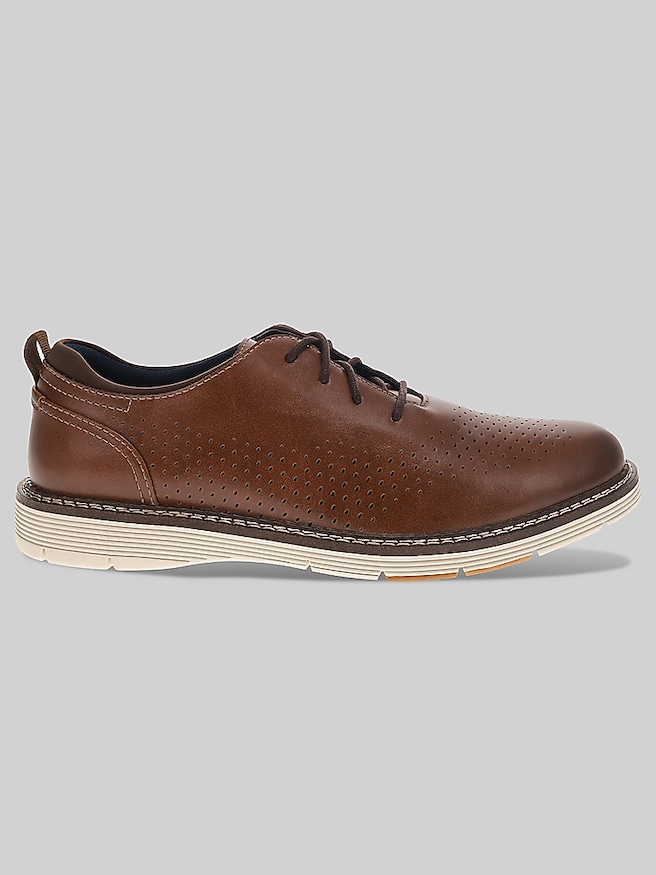
The appeal of day-to-night pants is how little needs to change around them. In a business-casual setting, a tucked-in button-down shirt and a simple belt create a composed starting point. Adding a sport coat can sharpen that same foundation for a client dinner, while exchanging the shirt for a fine-gauge sweater gives the pants a quieter, more relaxed character. For a less formal evening, a neatly fitted polo or an understated casual shirt can keep the look comfortable without drifting into loungewear. Footwear has a noticeable effect on the balance of the outfit, and coordinating with Day To Night Shoes helps carry that versatility through to the finishing details. Loafers can soften the formality of tailored trousers, lace-up dress shoes create a more traditional impression, and clean, minimal sneakers may work where the setting permits. Hem length should account for those choices, especially when switching between shoes with different profiles. Pocket contents matter, too: an overfilled wallet or bulky key ring can interrupt an otherwise smooth silhouette. Keeping accessories restrained lets the pants adapt without competing with the rest of the outfit. This flexibility makes them useful for professionals with varied schedules, graduates building a work wardrobe, and travelers who prefer clothing that can serve more than one purpose. They can also make a thoughtful gift for someone starting a new role or refreshing everyday outfits, particularly when the recipient’s measurements, preferred rise, and usual leg shape are known. Versatility still has boundaries. An invitation specifying formal evening attire calls for clothing suited to that dress code rather than an everyday trouser dressed up beyond its intended role. For ordinary transitions between the office, a theater performance, a birthday dinner, or an evening gathering, the strongest foundation is simpler: comfortable movement, a clean finish, and proportions that feel right from the first appointment to the last stop.