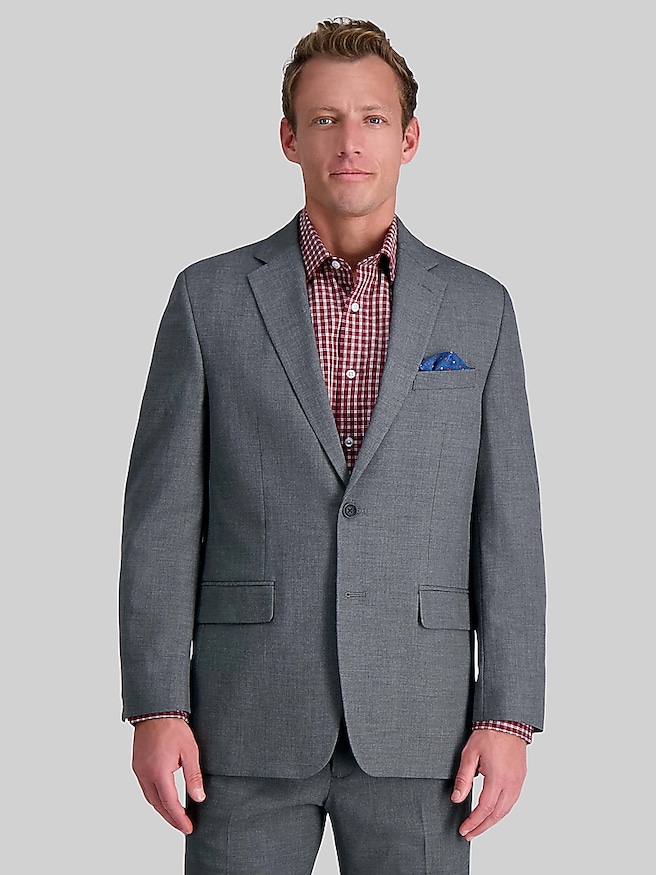
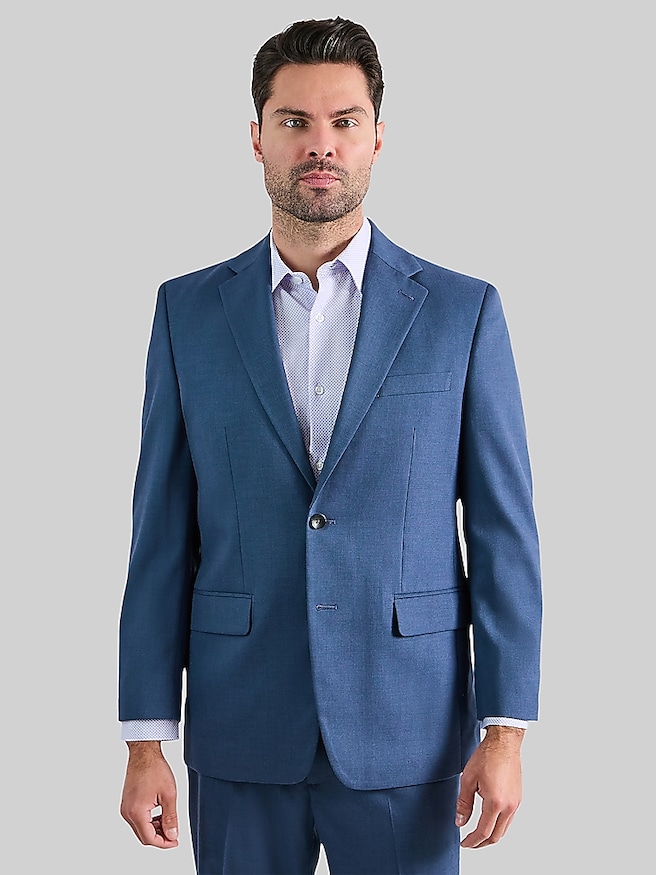
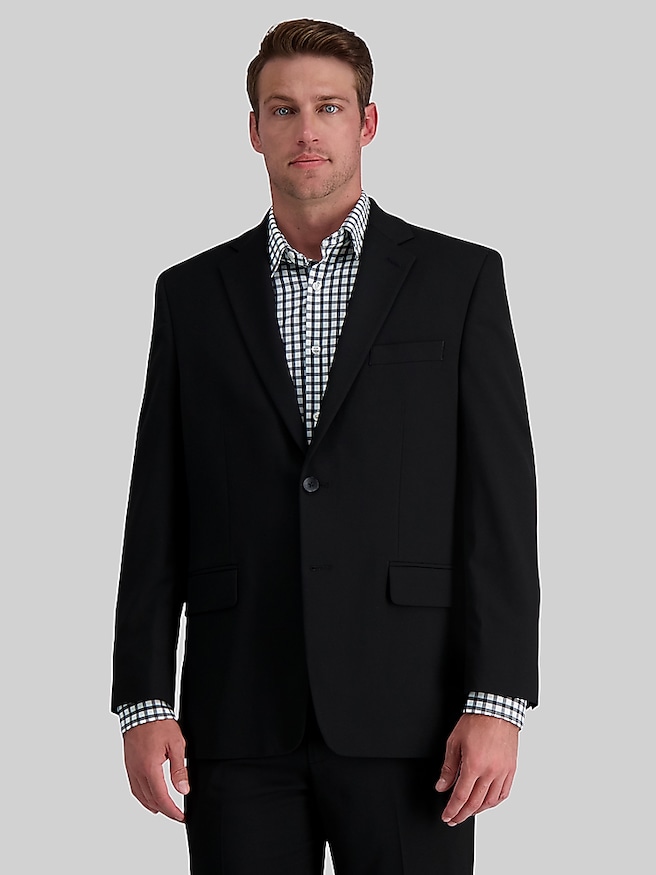
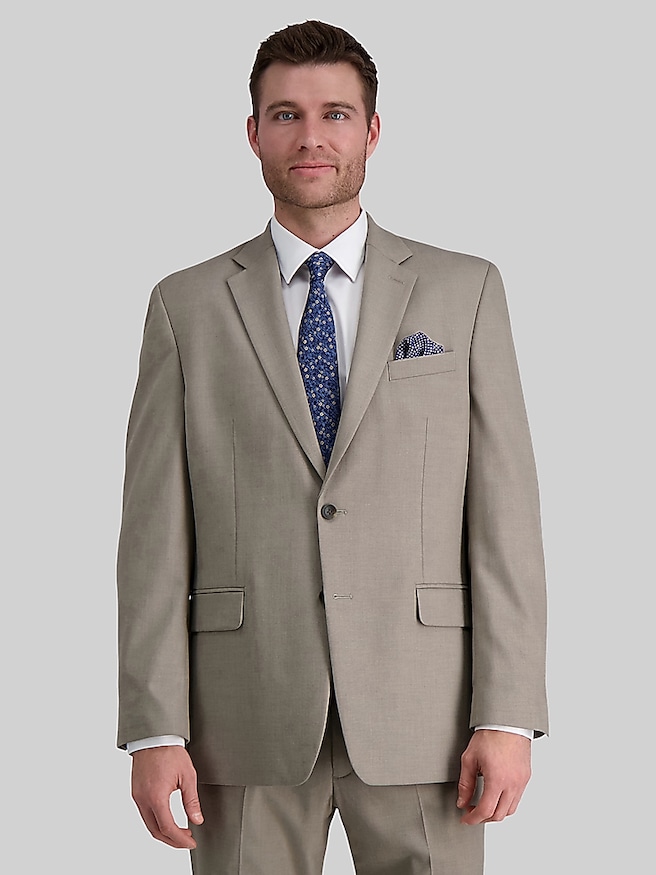
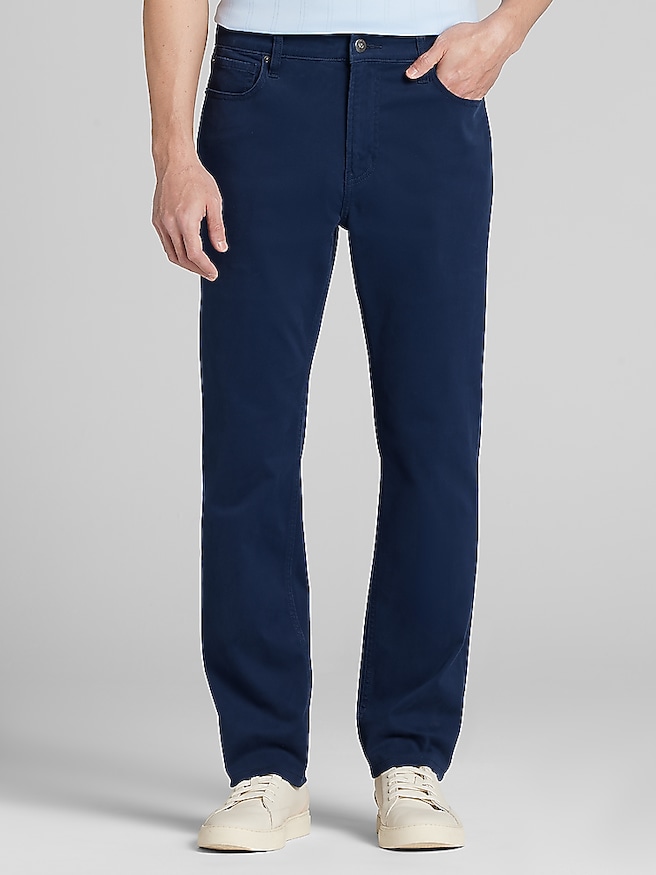
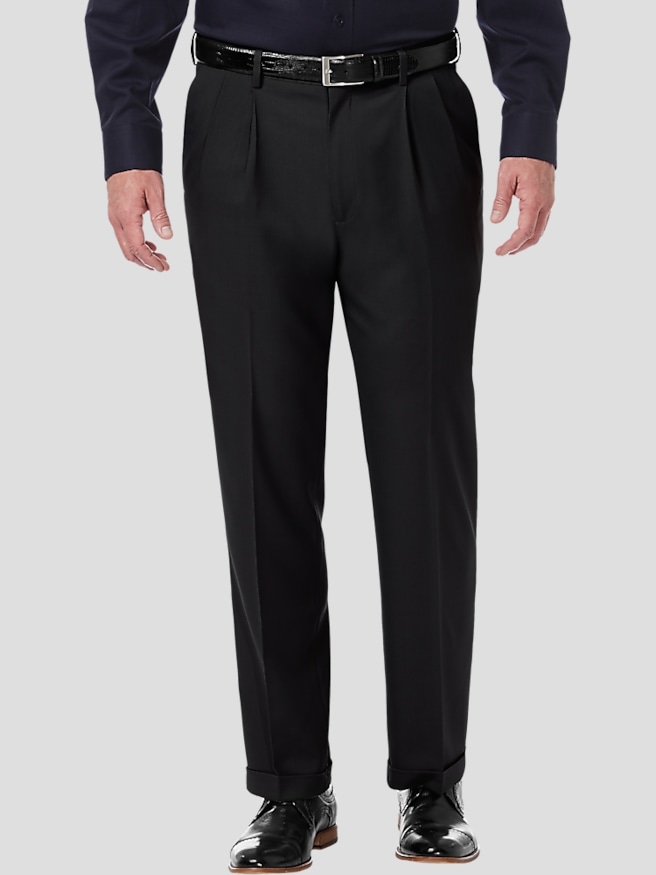
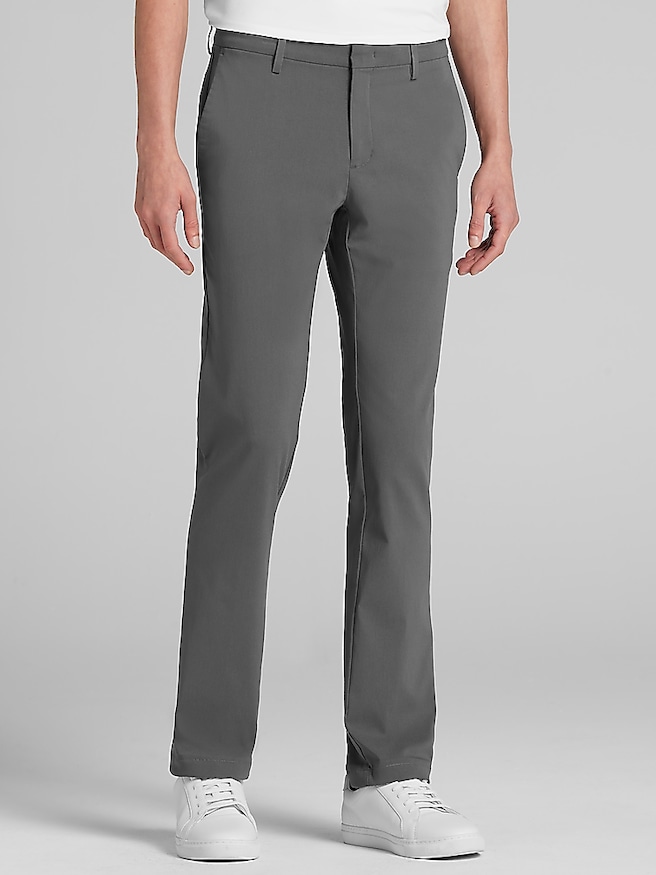
Date night pants give an evening outfit a polished foundation without making it feel overly formal. For men, that can mean tailored dress pants for an anniversary dinner, chinos for a neighborhood restaurant, or dark denim for live music and a late bite. The common thread is a clean silhouette, comfortable movement, and a finish that suits the setting. Dress trousers bring structure to a button-down shirt or fine-gauge knit, while chinos sit comfortably between casual and dressed up. Dark, evenly colored denim offers a more relaxed option when the venue does not call for tailored clothing. Navy, charcoal, black, and deeper brown shades are versatile foundations because they work with a broad range of shirts, jackets, and shoes. Lighter neutrals create a softer contrast with a dark top, while subtle checks or a textured weave add interest without needing a bold pattern elsewhere. A restaurant with white tablecloths may suit a pressed trouser and leather dress shoes; a casual dinner followed by a comedy show leaves more room for chinos and understated sneakers. For outfits that need to bridge those settings, Men's Chinos for Date Night offer a useful balance of tailored appearance and everyday ease. The effect depends as much on proportion as on formality. Pants with a neat waistband and a smooth line through the leg help a tucked shirt look intentional, while a clean hem keeps an untucked knit from making the outfit feel unfinished. Matte fabrics tend to be understated, and a restrained sheen can look dressier under restaurant lighting. A jacket adds definition, but pants that fit well can carry an outfit with just a simple shirt. Date night dressing does not have to resemble office attire; texture, color, and a slightly more relaxed combination can create a clear distinction while preserving the confidence of a well-fitting pair of pants.
Fabric and construction shape how date night pants look at the start of an evening and how comfortable they remain through dinner, a performance, or a walk between venues. Cotton twill, often used for chinos, has a recognizable diagonal weave and enough substance to create a tidy outline without the formality of traditional suiting. Wool and wool-blend trousers generally offer a more fluid drape and can hold a defined crease, making them a strong match for dress shirts, knit polos, and tailored jackets. Blends containing synthetic fibers may improve wrinkle resistance or help fabric retain its shape, although performance varies with the weave and composition. A small amount of elastane can provide flexibility when sitting or moving, but stretch does not replace a fit with adequate room through the seat and thighs. Denim brings a firmer structure and a more casual character; an even dark wash with minimal fading usually reads as more refined than heavily distressed finishes. Surface texture matters, too. A subtle heather or fine pattern can give solid-colored tops more depth without competing for attention. Fit determines whether those fabric qualities translate into a flattering silhouette. Slim fits sit closer to the body, straight fits maintain a more consistent line through the leg, and tapered fits combine room higher up with a narrower opening near the ankle. Those labels vary, so the relationship between waist, rise, thigh, and hem matters more than the name alone. A waistband should stay in place without a belt doing all the work, and pockets should lie relatively flat rather than pull open. Sitting comfortably at a small restaurant table is as important as looking sharp while standing. Length affects the finish: a slight break creates a familiar tailored look, while little or no break makes the hem feel cleaner and more defined. The best proportion also accounts for footwear, allowing the leg opening to settle neatly over the shoe rather than bunch above it. Alterations to the hem or waist can refine that balance without changing the character of the pants.
Lasting appeal comes from pants that remain useful beyond one reservation. An understated pair can work for a first date, an anniversary celebration, or a familiar Friday dinner, with the rest of the outfit setting the tone. A textured knit and leather loafers create a relaxed, considered combination, while a tucked woven shirt and a matching belt bring more definition. With a jacket, a smooth waistband and uncluttered pockets help preserve the line of the outfit. A phone, keys, and a bulky wallet can distort even well-cut trousers, so pocket shape and placement have a practical role as well as a visual one. Durability depends on more than fabric weight: secure seams, reinforced stress points, and a reliable closure all contribute to repeated wear. Care should follow the garment label rather than assumptions about the category. Some cotton and blended pants tolerate machine washing, while others need professional cleaning or a more specific routine. Excessive heat can affect stretch fibers and may cause shrinkage, and unnecessary washing can gradually change the color or surface of some fabrics. Prompt attention to a small spill helps keep a dinner mishap from becoming a lasting mark. Hanging trousers with enough space reduces crowding and unwanted creases; denim and some casual cotton styles may also store well folded when their care instructions allow it. Pressing requirements differ by material, and an iron set too hot can leave shine or damage the surface. For a gift, familiar measurements and a known fit preference are more useful than guessing from appearance alone. Someone who regularly wears straight-leg pants may appreciate that same ease in a more polished fabric, while someone who favors a tapered shape may prefer a refined version of an established favorite. The most dependable date night pants feel like a natural extension of personal style: comfortable enough to forget about during conversation, sharp enough for the occasion, and versatile enough to earn another evening out.