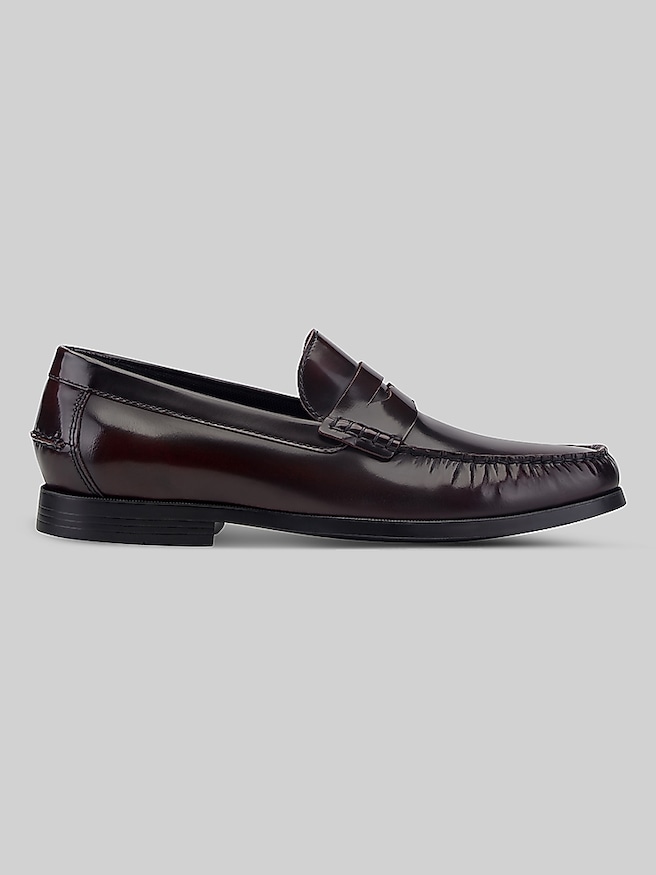
Dark red loafers bring depth to a wardrobe without demanding a bold outfit around them. Shades described as burgundy, wine, and oxblood sit between familiar brown footwear and a more expressive red, giving tailored clothing a richer finish while remaining easy to wear. The exact effect depends on the undertone: a brown-based red feels earthy and restrained, while a deeper, cooler burgundy can look especially crisp against charcoal or navy. Smooth leather emphasizes that depth with a subtle sheen; suede softens the color and gives the same slip-on shape a more relaxed character. Penny loafers have a clean, recognizable profile that works comfortably with chinos and dress trousers, while tassel details add movement and a slightly dressier personality. A low, streamlined shape generally looks sharper beneath narrow trouser hems, and a more substantial sole can balance fuller trousers or straight-leg denim. Dark red loafers work particularly well when the rest of an outfit stays simple. Picture a navy suit, a light blue shirt, and a pair of burgundy loafers showing just beneath a neatly finished hem: the shoes add distinction without competing with the tailoring. With gray trousers and a fine-gauge knit polo, they feel appropriate for a dinner reservation or an office with a relaxed dress code. With dark denim and an unstructured jacket, they offer polish without the formality of lace-up dress shoes. Accessories do not need to match the red exactly. A dark brown belt often creates a quieter connection than a bright red one, especially when the leather finishes have a similar level of shine. Socks in navy, charcoal, or a muted burgundy can tie the outfit together without making the footwear feel overly coordinated. For wedding guests, professionals, and anyone who enjoys a considered finishing touch, dark red loafers offer a useful middle ground: distinctive enough to notice, restrained enough to wear repeatedly, and adaptable to plenty of occasions beyond a single event.
Material and construction shape how loafers feel as much as how they look. Smooth leather can develop creases and subtle tonal variation with wear, creating character rather than a permanently untouched surface. Suede has a softer, matte appearance, though its texture calls for a brush and care products intended specifically for that material. Neither finish tells the whole story about comfort or durability; the lining, sole, stitching, and overall construction matter, too. A supple lining can help reduce friction, while cushioning under the heel and forefoot may make time spent standing more comfortable. Leather soles tend to create a sleek outline, whereas rubber soles can add flexibility and grip, depending on their design. For a workday that includes a commute, meetings, and a walk to lunch, that underfoot feel deserves as much attention as the shade of red. Because loafers have no laces to adjust, a secure fit across the instep is especially important. The heel should feel held without excessive slipping, and the toes need room to rest naturally rather than curl or press against the front. A little initial firmness in leather is not the same as painful tightness, and break-in should never be expected to correct a shoe that is clearly too small. The width, depth, and shape of the toe box can vary even when the marked size is the same. Trying loafers with the socks intended for regular wear gives a more useful sense of fit than trying them with an unusually thick or thin pair. Dress socks suit office clothing and tailored outfits, while low-profile liners can preserve a clean ankle line with casual trousers. A balanced fit also helps the shoe keep its shape: constant heel movement can create friction, while excessive pressure across the vamp can stress the leather. Thoughtful proportions, comfortable support, and neat finishing make dark red loafers feel like an everyday wardrobe choice rather than footwear saved only for photographs.
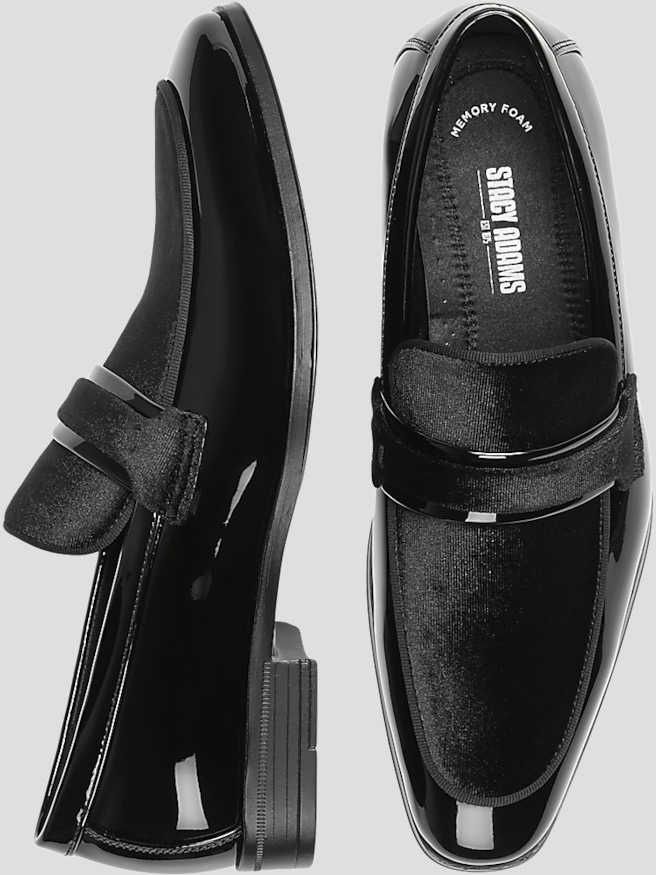
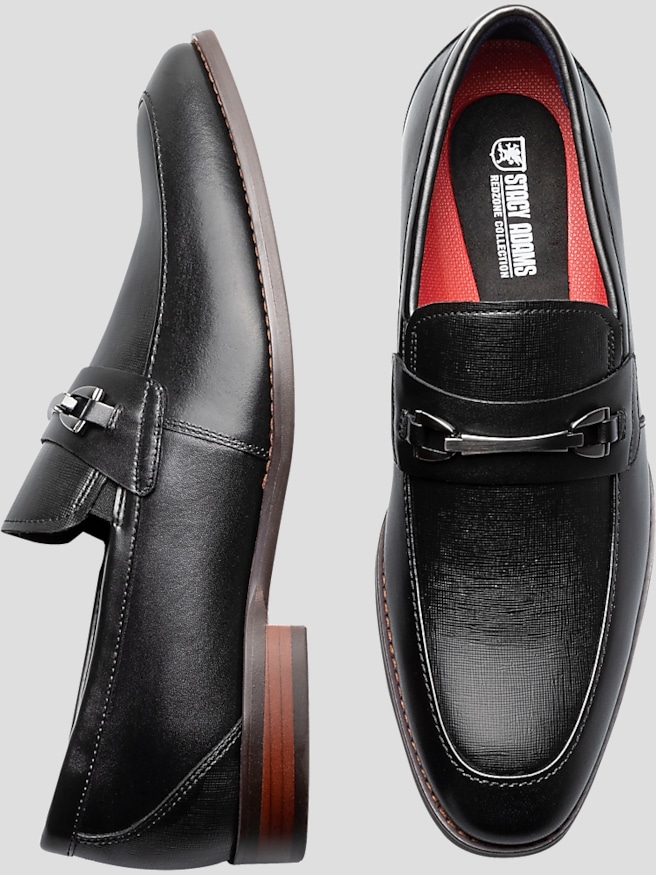
Good care helps preserve the color and texture that make dark red loafers appealing. For smooth leather, removing surface dust with a soft cloth before conditioning or polishing keeps grit from being worked into the finish. A conditioner appropriate for the leather can help maintain suppleness, and a carefully matched cream may refresh the color without covering its natural variation. Burgundy is not one uniform shade, so testing any colored product on a discreet area is worthwhile; a cream that looks close in its container may appear brighter or darker on the shoe. Suede needs a separate approach, with gentle brushing to lift the nap and a suitable suede eraser for small marks rather than ordinary leather polish. Care directions for the particular material should take priority, especially with coated, textured, or specialty finishes. Between wears, allowing shoes to air out and using properly fitted shoe trees can help manage moisture from normal wear and support the shape. Direct heat can damage leather, and shoes should be stored away from prolonged sunlight that may affect the color. Rotating footwear also gives each pair time to recover between long days. Over time, worn heel edges, loose stitching, or thinning soles deserve attention before they affect comfort or cause further damage; whether repairs are practical depends on how the shoe is constructed. These habits are particularly useful for loafers worn regularly to the office, celebrations, and dinners, where a clean finish does much of the work of making an outfit look complete. Dark red can also be a thoughtful footwear choice for a gift recipient who already wears navy, gray, tan, or dark denim and appreciates a little color in otherwise classic clothing. Knowing the recipient’s usual size, width, and preferred loafer shape is more helpful than choosing by appearance alone. For a more neutral companion in a dress wardrobe, Black Leather Loafers provide a crisp contrast to burgundy’s warmer character. Dark red remains a distinctive option for someone who wants polished footwear with depth, personality, and plenty of repeat wear.