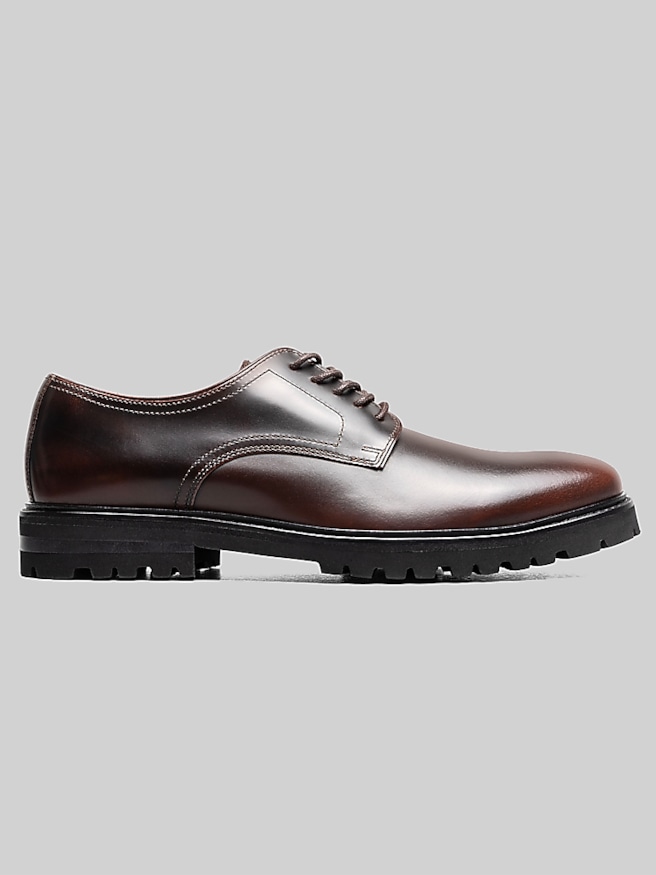
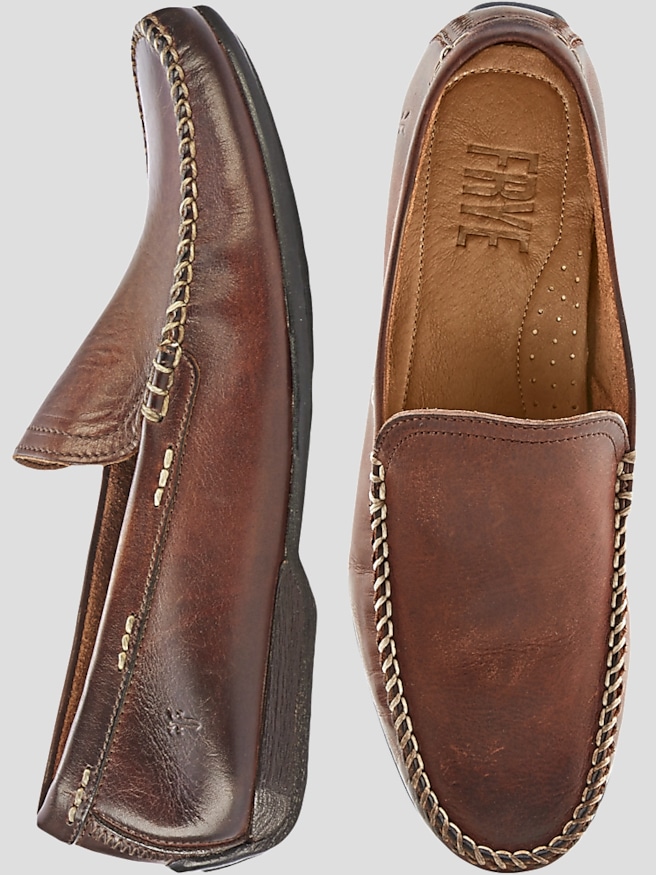
Dark brown wedding shoes pair naturally with navy, gray, and brown suits and suit many daytime, outdoor, semi-formal, and rustic wedding settings. Their appeal is the balance between polish and warmth: a deep brown leather shoe looks dressed up beneath tailored trousers without creating the sharper contrast of black footwear. For a groom in a navy suit, that rich tone can bring the outfit together with a brown leather belt and a textured tie. For groomsmen, coordinating the depth of brown and the overall shoe silhouette often matters more than matching every stitch or decorative detail. Guests and fathers of the couple can wear the same color with a range of tailored separates, provided the combination fits the invitation’s dress code. Dark chocolate shades tend to look understated, while brown finishes with reddish undertones add a little more contrast against blue fabric. With charcoal tailoring, a very dark brown shoe can work when the occasion allows it, though black remains the more traditional formal pairing. The shape of the shoe also changes the impression. A smooth cap-toe Oxford has a restrained appearance, with closed lacing that keeps the profile neat beneath a tapered trouser hem. A Derby offers a slightly more relaxed look, while brogue detailing introduces texture that can complement a less formal venue. A streamlined loafer can belong with a relaxed wedding suit when the dress code supports it, but it will not communicate the same formality as a lace-up dress shoe. Brown footwear is not the customary choice for black tie; an invitation calling for a tuxedo generally points toward appropriate black formal shoes instead. For celebrations with a more formal dress expectation, Black Shoes For Wedding offers a related direction. Across these settings, dark brown works best when the shoe’s finish, construction, and level of detail feel consistent with the suit rather than competing with it.
Materials and fit make a noticeable difference over a wedding day that includes photographs, standing through a ceremony, dinner, and time on the dance floor. Smooth leather gives dark brown wedding shoes a clean surface that can take polish, developing gentle creases with wear rather than staying perfectly unmarked. Full-grain leather retains its natural surface character, while other leather finishes may have a more uniform appearance; the material description helps establish what kind of texture and upkeep to expect. Suede brings a softer, matte look that pairs especially well with textured tailoring and less formal celebrations, although it needs different cleaning tools from smooth leather. A highly polished finish reads dressier than a brushed or pebbled surface, even when the shoes share a similar color. Inside the shoe, lining material, footbed shape, and cushioning all affect how it feels after several hours. Soft padding can make the first fitting pleasant, but it cannot compensate for a toe box that crowds the foot or a heel that slips with every step. A comfortable dress-shoe fit holds the heel securely, supports the foot through the middle, and leaves the toes room to rest without pressing against the front. The shoe’s shape, sometimes called its last, matters as much as the size printed inside it. Someone with a broad forefoot may need a wider fit rather than extra length, while a narrow heel may feel loose in an otherwise roomy shoe. Trying on dress shoes with the socks intended for the celebration gives a more useful sense of fit. A few shorter wears before the event can also reveal pressure points before a full day of photographs and dancing. Leather soles offer a traditional, refined profile, while rubber soles can provide useful traction and cushioning. For a ceremony on lawn or gravel, a stable heel and dependable footing deserve attention alongside the appearance of the upper. A slim profile can still look elegant without requiring a pointed toe or an unusually stiff sole.
Durability depends on the combination of materials, construction, fit, and regular care, not simply on how substantial a shoe feels in the hand. Secure stitching, neatly finished edges, and a sole that flexes comfortably with the foot are useful details to consider. Some stitched constructions can accommodate resoling, although repair options depend on the individual shoe and a cobbler’s assessment. A pair that fits properly is also less likely to suffer the excessive rubbing and distortion caused by a foot moving around inside it. For smooth dark brown leather, brushing away surface dust and wiping with a soft cloth keeps grit from lingering in the creases. An appropriate leather conditioner used sparingly can help maintain suppleness, while a matching cream polish can refresh color and soften the appearance of minor scuffs. Testing any care product on an inconspicuous area helps avoid an unexpected change in shade. Suede calls for a suede brush and care products intended for its nap rather than ordinary shoe cream. Cedar shoe trees can help maintain shape between wears, and allowing shoes to air out before storing them supports both comfort and longevity. Small details help the finished outfit look intentional, too: a belt in a similar dark brown is usually more cohesive than a much lighter tan, and dress socks that relate to the trousers help create a continuous line when seated. The trouser hem should allow the shoe’s shape to show without bunching heavily over the laces. These considerations give dark brown wedding shoes a role beyond a single celebration. A restrained lace-up can move from wedding attire to a business suit, an anniversary dinner, or another dressed-up occasion, making it useful for someone building a compact formal wardrobe. As a gift for a groom or another participant in the celebration, footwear is most personal when the recipient’s size, width, and preferred silhouette are already known. The result is a pair selected for both its appearance in the photographs and its comfort throughout the occasion.