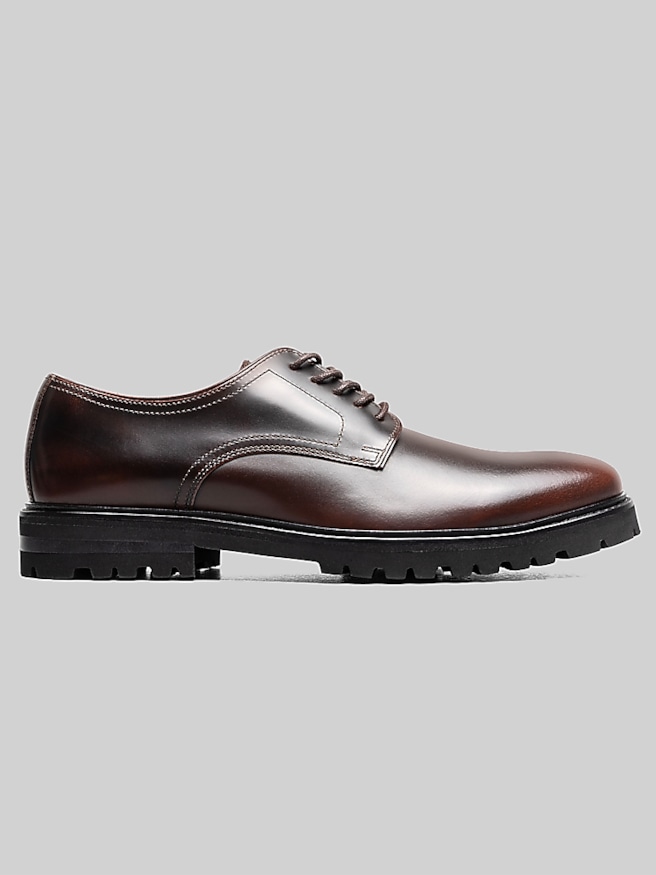
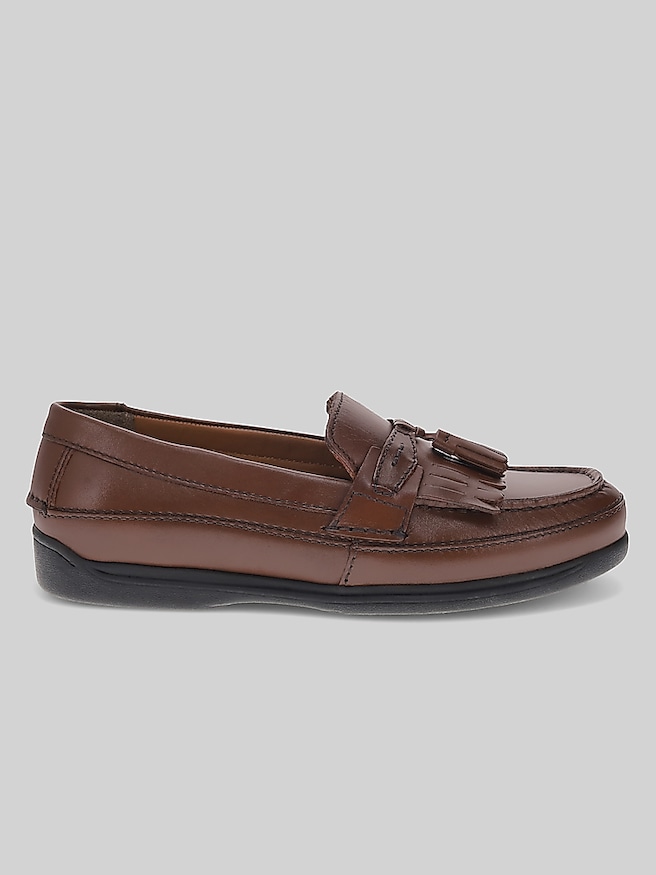
Brown spring shoes encompass leather loafers, suede slip-ons, and lace-up styles that complement spring tailoring and polished casual clothing. Their appeal starts with color: tan, cognac, chestnut, and deep chocolate each bring a distinct character to an outfit without requiring bold patterns or elaborate details. Lighter browns create a relaxed contrast against navy trousers, while medium brown works comfortably with gray tailoring, olive chinos, and natural linen. Dark brown offers a quieter, dressier finish, particularly with a smooth upper and a slim, balanced profile. Within that range, the shape of the shoe matters as much as the shade. A rounded toe feels understated and versatile; an almond-shaped toe gives tailored clothing a sharper finish without the exaggerated look of a very pointed silhouette. Loafers suit outfits built around unstructured jackets, knit polos, and trousers with a clean hem. Oxfords, with their closed lacing, generally look more formal, while derbies offer a slightly more relaxed appearance through their open lacing. Decorative perforations and wingtip detailing can add texture, though they do not automatically make a shoe suitable for every dress code. The overall effect depends on the leather, sole thickness, toe shape, and clothing worn alongside it. For a spring wedding with a daytime ceremony, a medium-brown lace-up can ground a light gray or blue suit. For an office lunch or a weekend celebration, a suede loafer can bring depth to chinos and a tucked-in shirt. Smooth leather tends to create a crisp visual line, while suede absorbs light and gives brown a softer, more textured appearance. A belt in a compatible brown helps an outfit feel intentional, but an exact shade match is rarely necessary. Similar undertones and a comparable level of formality usually matter more. Trouser length also affects the result: a clean break keeps the shoe visible without allowing excess fabric to gather around the ankle and obscure its shape.
Materials and construction influence how brown shoes feel through a full day, especially when the schedule includes walking between an office, a restaurant, and an outdoor gathering. Smooth leather can develop attractive creasing and patina with wear, although its flexibility, finish, and care requirements vary. Suede offers a distinctive nap that pairs naturally with textured trousers and less structured clothing, but it needs protection from moisture and thoughtful cleaning. Breathable linings, moderate cushioning, and a flexible forefoot can contribute to comfort; none can compensate for a shape that presses against the toes or fails to hold the heel securely. A comfortable fit leaves room for the toes to rest naturally while keeping the widest part of the foot aligned with the widest part of the shoe. Lace-up styles allow some adjustment over the instep, making them useful when feet change slightly in volume throughout the day. Slip-ons depend more heavily on the relationship between the heel, instep, and upper, so excessive heel movement or pressure across the top of the foot deserves attention. The socks intended for an outfit also affect fit. Lightweight dress socks suit many tailored combinations, while low-cut liners can support a bare-ankle look without placing the foot directly against the lining. New leather may soften, but persistent pinching is not a necessary stage of getting comfortable. Underfoot, leather soles offer a traditional appearance, while rubber soles can provide added traction and flexibility, depending on their design. Neither material guarantees grip on every surface, particularly wet tile or polished stone. Spring showers make that distinction practical rather than purely aesthetic. Durable stitching, secure sole attachment, and neatly finished edges are useful construction details, but longevity also depends on frequency of wear and maintenance. A lightweight shoe for occasional ceremonies serves a distinct purpose from footwear expected to handle a daily commute. Matching construction and comfort to the actual routine helps keep a polished appearance from coming at the expense of an enjoyable day.
The versatility of brown spring shoes becomes especially clear across occasions that fall between strictly formal and fully casual. A graduation ceremony, an engagement gathering, a client meeting, or a dinner reservation can call for footwear that looks considered without dominating the outfit. Medium-brown leather can bridge those settings, while a darker finish and restrained detailing often feel more appropriate when the clothing becomes dressier. For celebrations that continue into dinner and an evening reception, Brown Evening Shoes offers a related direction for polished combinations. The event’s dress code still takes priority; brown shoes are not a substitute for the traditional footwear expected with every formal ensemble. They can also make a thoughtful gift for a graduate building a professional wardrobe or someone who regularly wears tailored clothing, provided the size, width, and preferred silhouette are known. An established favorite shape is often more useful than a dramatic style chosen solely for its appearance. Keeping that gift, or any frequently worn pair, looking good depends on simple, material-appropriate care. Surface dirt should be removed before conditioning or polishing smooth leather, and any treatment should be compatible with the finish and tested discreetly first. Brown polish can deepen or alter the original shade, making careful color selection important. Suede calls for its own brush and suitable cleaning products rather than standard leather cream. Shoes that become damp should dry naturally away from direct heat, with absorbent paper helping manage excess moisture when appropriate. Shoe trees can help support the shape between wears, and allowing footwear to air out reduces lingering moisture inside. Rotating pairs gives linings and uppers time to dry, while checking heel wear and sole edges can reveal maintenance needs before they become uncomfortable. With attention to fit, proportion, and care, brown footwear can retain the easy character that makes it such a natural companion to spring clothing, from a textured jacket at a garden reception to neatly pressed trousers on an ordinary workday.