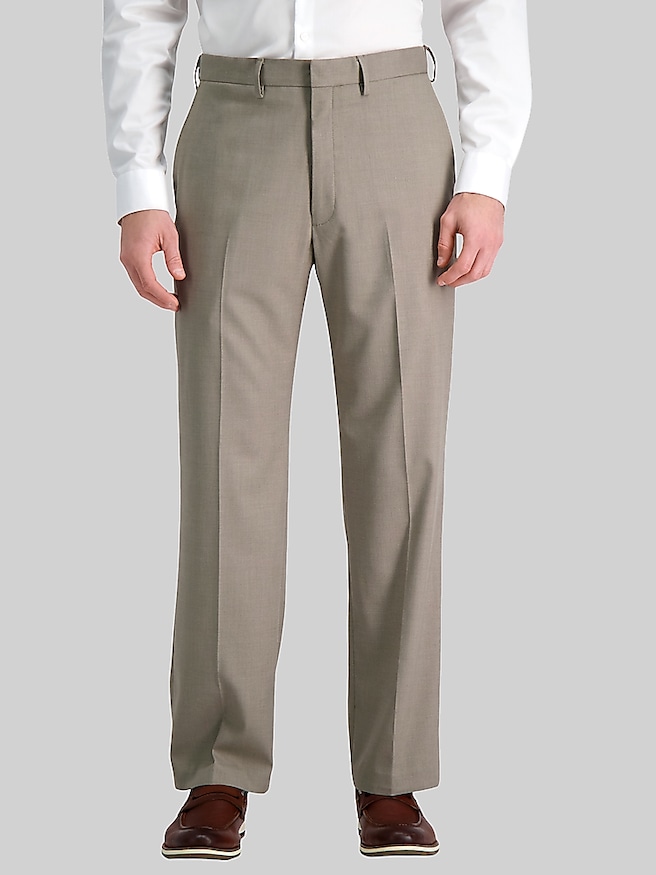
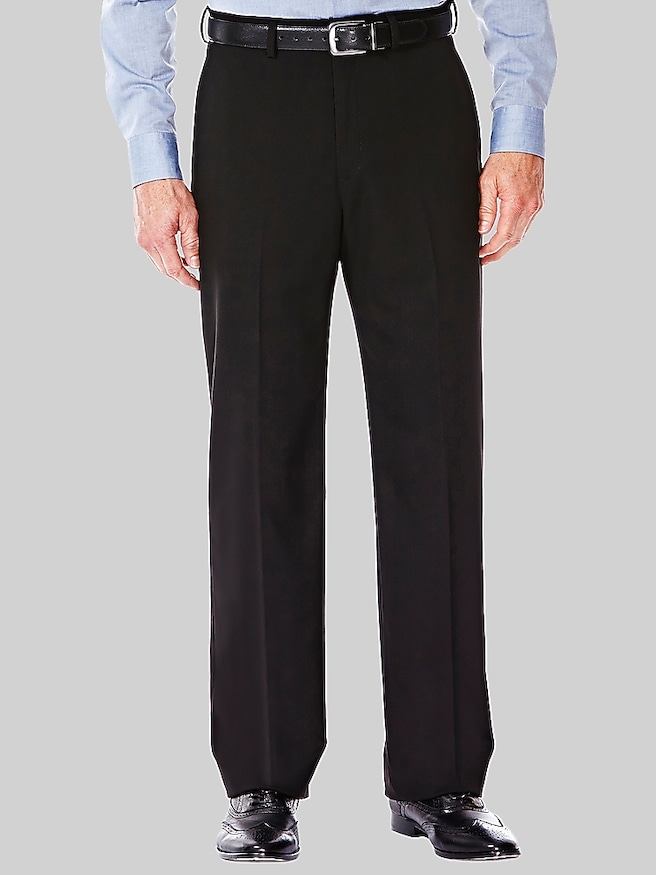
Wool-blend pants bring a clean drape and a substantial feel to a wardrobe, with enough versatility to move from a desk to a dinner reservation without looking out of place. Their character comes from the combination of fibers, the weave, and the finishing of the cloth rather than from wool content alone. Wool contributes natural resilience and moisture management, while companion fibers can influence strength, texture, shape retention, and ease of care. Polyester may help a fabric hold its shape through repeated wear; nylon can contribute abrasion resistance; and a small amount of elastane can add give when sitting, walking, or bending. The exact blend matters, and stretch should complement a comfortable fit rather than compensate for trousers that are too tight. Smooth, tightly woven fabrics tend to create a crisp, dressier impression, while a softly textured surface gives separates a more relaxed character. Fabric weight also changes the way pants hang: a substantial cloth can fall neatly over the leg, while a lighter construction may feel less structured. Neither is automatically better; the right balance depends on the intended outfit and how the pants will be worn. Charcoal and navy provide a restrained foundation for business dressing, medium gray makes subtle texture easy to appreciate, and brown or muted earth tones work naturally with knitwear and softly structured jackets. Small-scale patterns can add depth without dominating an outfit, especially when paired with a solid shirt. For someone who spends a day moving between meetings, a commute, and an evening gathering, the appeal is straightforward: trousers that look considered without requiring an elaborate combination of pieces. The same pair can look precise with a tucked-in dress shirt and leather shoes or more relaxed with a fine-gauge sweater and understated loafers, provided the cut and fabric support both settings. A quiet finish usually allows more combinations than a pronounced sheen, making the cloth’s surface as important as its color when building a useful rotation.
Fit gives wool-blend pants their finished appearance, and the strongest silhouette is not necessarily the narrowest one. A waistband should sit securely at its intended position without digging in, rolling, or depending on a tightly pulled belt to stay in place. Through the seat and thighs, enough room for normal movement helps the fabric fall cleanly instead of catching or forming pronounced horizontal lines. Pockets that lie flat and a fly that rests smoothly are useful signs that the proportions are working together. Slim cuts generally follow the leg more closely, straight cuts maintain a steadier line, and fuller shapes provide additional space and a more pronounced drape. These labels vary, so the relationship between the cut and the wearer’s build matters more than the name. Rise deserves equal attention: it affects where the waistband sits, how a tucked shirt stays in place, and the visual balance between the torso and legs. A higher rise can work especially well beneath a tailored jacket, while a lower rise creates another proportion that should still feel comfortable when seated. Pleats can provide useful room through the upper leg and introduce a traditional tailoring detail; flat fronts create a simpler surface. At the hem, a slight break gives the trouser leg a gentle fold over the shoe, while little or no break produces a sharper line. Excess length can obscure an otherwise good fit, so the intended shoes are worth considering when settling on a finished inseam. For business presentations, celebrations, and dressier dinners, wool-blend trousers pair easily with a sport coat whose texture or color provides clear contrast. When a matching suit is the goal, coordinating cloth and construction matter more than choosing two pieces with similar color names. For coordinated tailoring beyond standalone trousers, explore Cyber Monday On Suit Pants. Across either approach, balanced proportions help a shirt, jacket, and shoes feel like parts of one outfit rather than unrelated choices.
Long-term wear depends on care as much as construction. Wool blends are not all maintained the same way, and the care label is the starting point for preserving the fabric’s texture, dimensions, and finish. Some blends permit washing under specified conditions, while others require professional cleaning; wool content alone does not settle that distinction. Heat, moisture, and agitation can affect certain fabrics, so a familiar routine used for cotton chinos may not suit tailored wool-blend trousers. Between cleanings, light brushing with an appropriate garment brush can lift surface dust, and time to air out after wear can help keep the cloth fresh. Hanging pants neatly from a suitable trouser hanger supports their shape and helps avoid the deep folds that come from leaving them over a chair. Empty pockets also reduce unnecessary pulling, particularly around the hips and seat. When pressing is permitted, the recommended heat setting and a pressing cloth can help protect the surface from unwanted shine. Repeated friction at the inner thighs, pocket edges, and hems is a normal point of wear, making a comfortable fit and an appropriately finished hem practical considerations rather than cosmetic details alone. Rotating trousers instead of wearing the same pair continuously gives the fabric time to rest and recover between outings. For frequent travelers, careful folding along the existing crease and unpacking promptly can help preserve a tidy appearance, although no fiber blend should be assumed to emerge perfectly smooth from a tightly packed bag. Wool-blend pants can also make a thoughtful gift for a graduate entering an office role, a partner refining an everyday wardrobe, or a family member who enjoys tailored clothing. A familiar waist measurement is helpful, but preferred rise, leg shape, and finished length make the choice more personal. Neutral colors and understated textures often provide the broadest styling range. Above all, trousers earn their place through repeated, comfortable use: sitting well through a long meal, keeping a clean line beneath a jacket, and pairing naturally with clothing already worn and enjoyed.