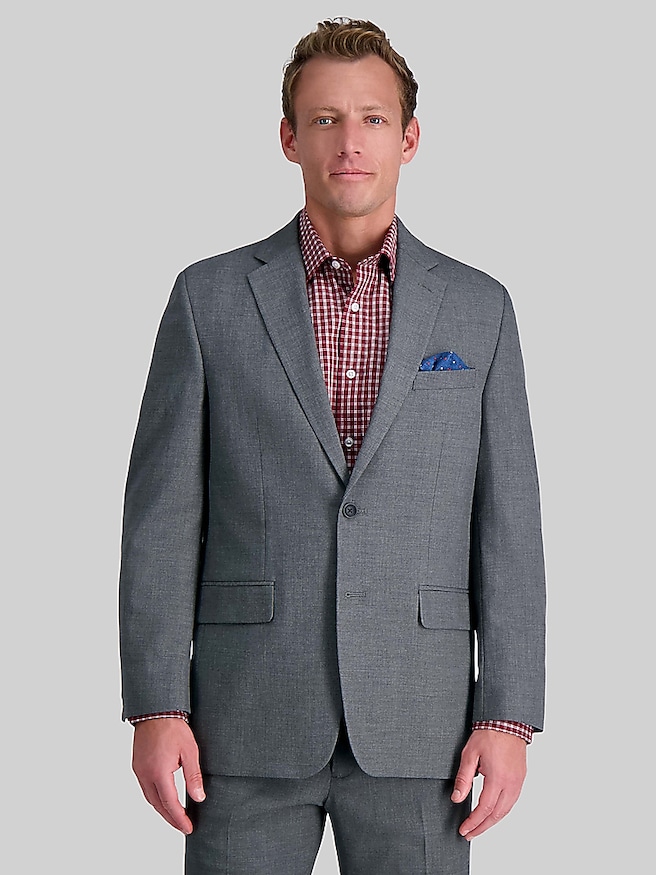
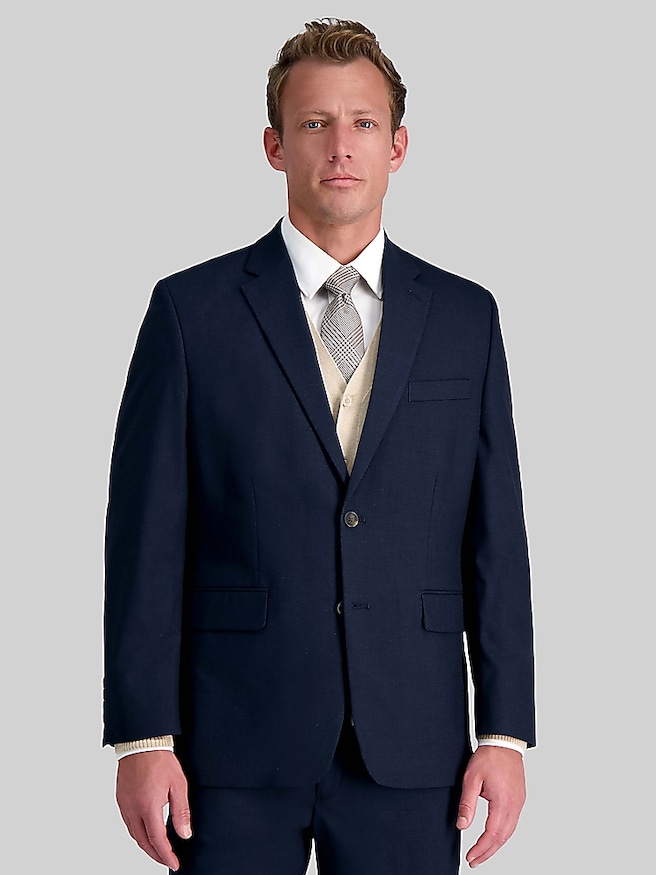
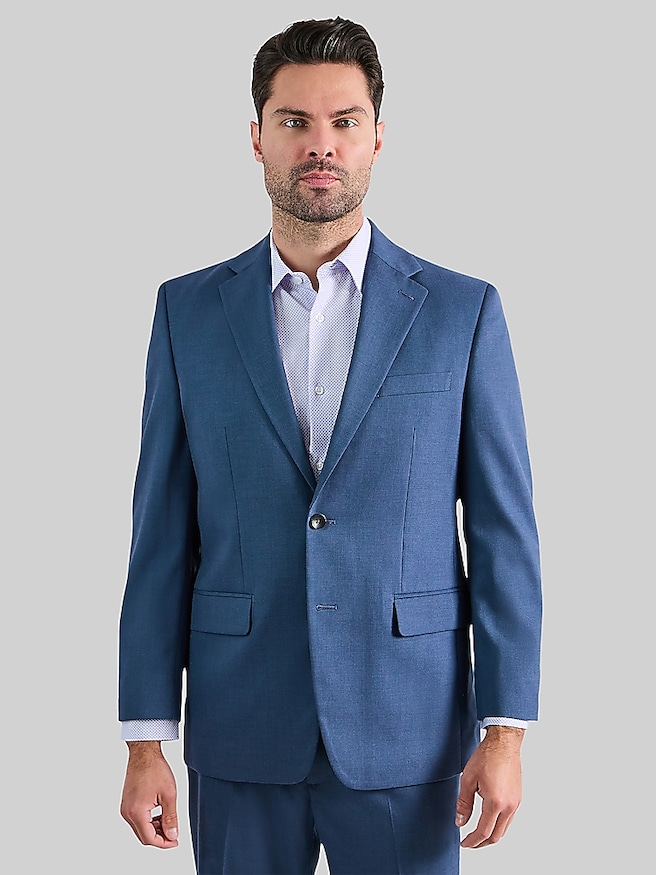
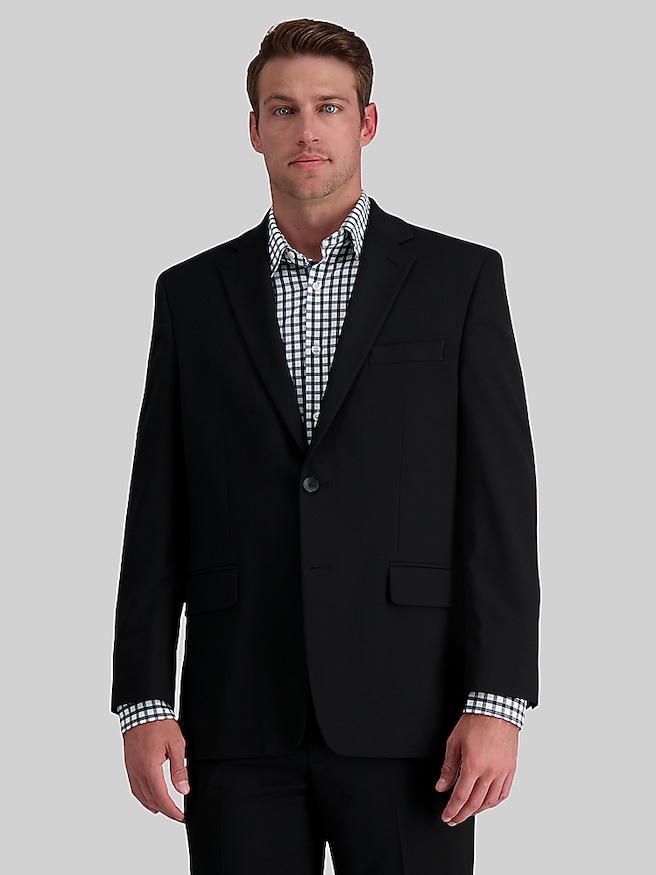
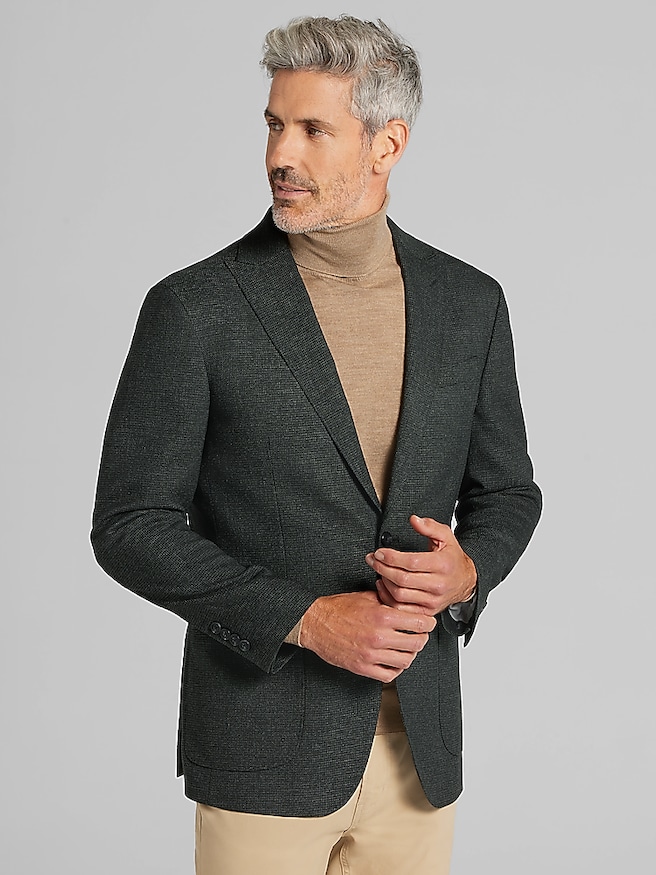
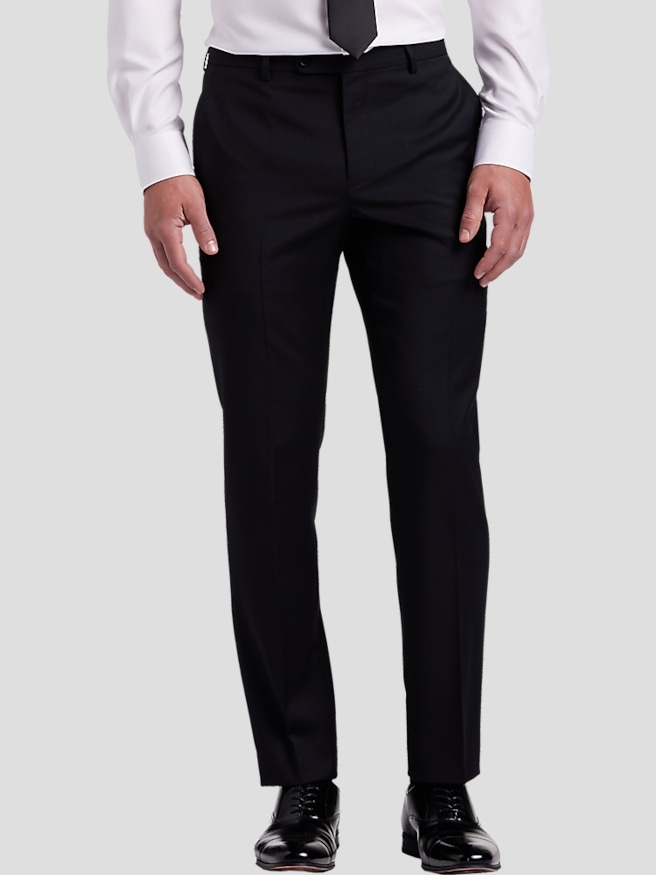
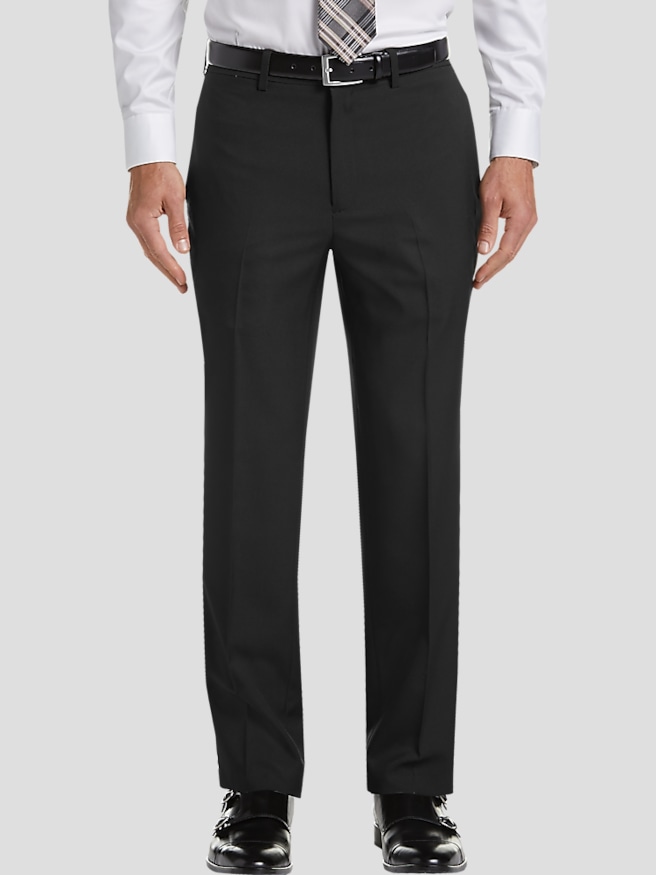
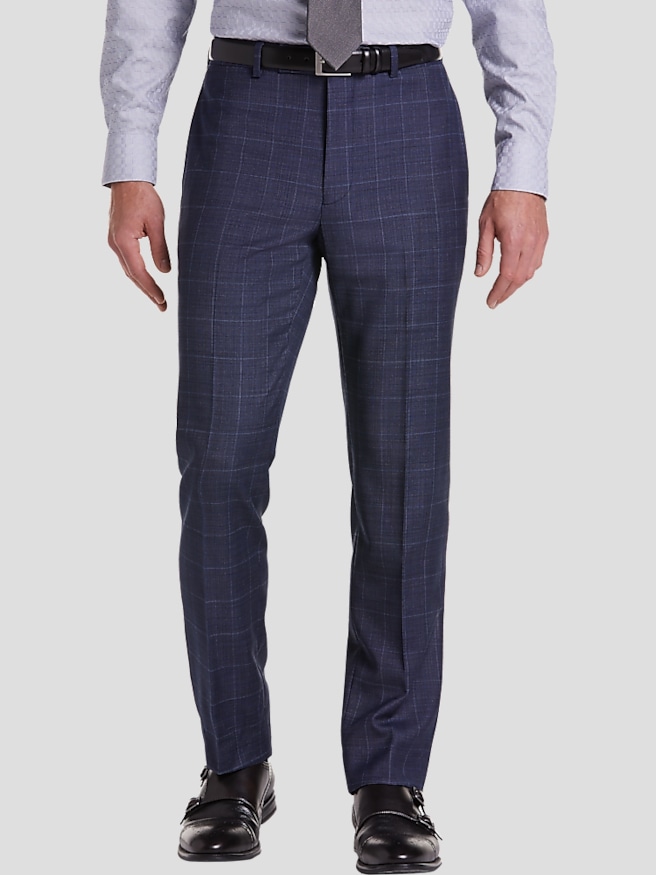
Suit pants bring structure to a wardrobe without requiring every occasion to feel formal. A pair with a clean drape can anchor a complete suit for an interview, complement a sport coat at a reception, or bring polish to a button-down shirt for an ordinary workday. Cyber Monday suit pants span these everyday and milestone uses, with fabric, cut, and finishing details shaping how each style looks and feels. Wool is a traditional choice because it can fall smoothly from the hip, breathe comfortably, and recover from light creasing between wears. Worsted wool generally has a refined surface that works well in professional settings, while textured weaves can give otherwise understated trousers more visual depth. Wool blends may combine that tailored appearance with added resilience, depending on the fibers and construction. Fabrics containing stretch can offer a little more give when sitting through a meeting, climbing stairs, or spending several hours at a celebration, although stretch does not replace a well-proportioned fit. Cotton-based fabrics tend to have a more relaxed character and may develop visible creases with wear; synthetic blends vary in their breathability, surface texture, and care requirements. The fabric label offers a useful starting point, but weight and drape matter, too. A supple cloth should hang rather than cling, and the surface should suit the level of formality expected. Navy, charcoal, and medium gray are versatile foundations, while subtle checks or stripes add interest without necessarily dominating an outfit. When pants are intended to complete a suit, matching the jacket requires more than choosing the same color name. Fabric, weave, pattern scale, and dye shade all contribute to a coordinated appearance. Two near-matching dark fabrics can look noticeably distinct in daylight or under office lighting. For separates, a deliberate contrast between trousers and jacket often looks more assured than an almost-match, especially when a shirt and shoes connect the colors.
Fit determines whether suit pants look composed after hours of actual movement, not just while standing in front of a mirror. The waistband should sit securely at the intended rise without digging in or depending on a tightly fastened belt to stay in place. Rise is the distance between the crotch seam and waistband; it affects where the pants sit and how much room they provide through the torso and seat. A higher rise may feel more balanced with a tucked shirt and tailored jacket, while a lower rise changes both the silhouette and the sensation of the waistband when seated. Through the seat and thighs, the fabric should have enough ease for a comfortable stride without pulling pockets open or forming persistent horizontal tension lines. Slim cuts follow the leg more closely, straight cuts keep a steadier line from thigh to hem, and roomier cuts provide additional space without needing to look oversized. Body proportions matter more than the name of the cut. Someone with developed thighs may need extra room through the upper leg even when a narrower hem is preferred. Flat-front construction creates an uncluttered appearance across the front, while pleats can provide additional room that opens with movement when the trousers fit correctly. For a related silhouette, Cyber Monday flat front pants keep the emphasis on a smooth front and straightforward styling. Hem length deserves the same attention as waist size. Little or no break gives the ankle a sharper outline, while a slight break lets the fabric rest gently on the shoe. Excess length can collect around the ankle and interrupt an otherwise clean line. Trying pants with the shoes intended for the outfit helps establish the right balance. Sitting, walking, and bending also reveal whether the rise and thigh room remain comfortable. Tailoring can refine a hem or make modest adjustments, but a suitable starting fit matters because changes through the seat, rise, and leg are more involved.
The most useful suit pants fit the routines and occasions they are meant to serve. For someone who wears tailored clothing several days a week, comfortable waistband construction, secure seams, and fabric that responds well to proper pressing can matter as much as appearance. For a graduate preparing for interviews or a professional attending occasional conferences, a versatile color and restrained finish can support multiple combinations with shirts, jackets, and shoes. Wedding guests and members of a wedding party may need to place greater emphasis on coordinating shades, consistent formality, and a hem that looks tidy in photographs. A dark trouser with a crisp dress shirt creates a composed foundation, but the invitation still determines whether a full suit or more formal attire is appropriate. Suit pants can also be a thoughtful gift when the recipient’s measurements, preferred rise, and usual style are known; waist size alone rarely captures the whole fit. Long-term wear depends on construction and care as well as fiber content. Neat stitching, firmly attached closures, and smoothly finished pocket openings are useful details to examine. Pocket bags should sit flat, and carrying bulky keys or an overfilled wallet can distort the line and place unnecessary strain on the fabric. After wearing, empty the pockets and hang the pants neatly so folds do not become set-in creases. Alternating between pairs gives fabric time to air out and recover its shape. Always follow the care label, since some trousers require professional cleaning while others permit washing under specific conditions. Frequent cleaning is not automatically better; appropriate spot treatment, gentle brushing when suitable for the fabric, and airing between wears may reduce unnecessary handling. Pressing also calls for care, particularly with dark cloth that can develop shine under excessive heat or pressure. A suitable pressing cloth and the recommended temperature help protect the surface, while a professional cleaner can address stubborn marks or restore a crisp crease. With thoughtful fit and consistent care, suit pants can remain a dependable part of dressing for work, celebrations, and the occasions that call for a little more polish.