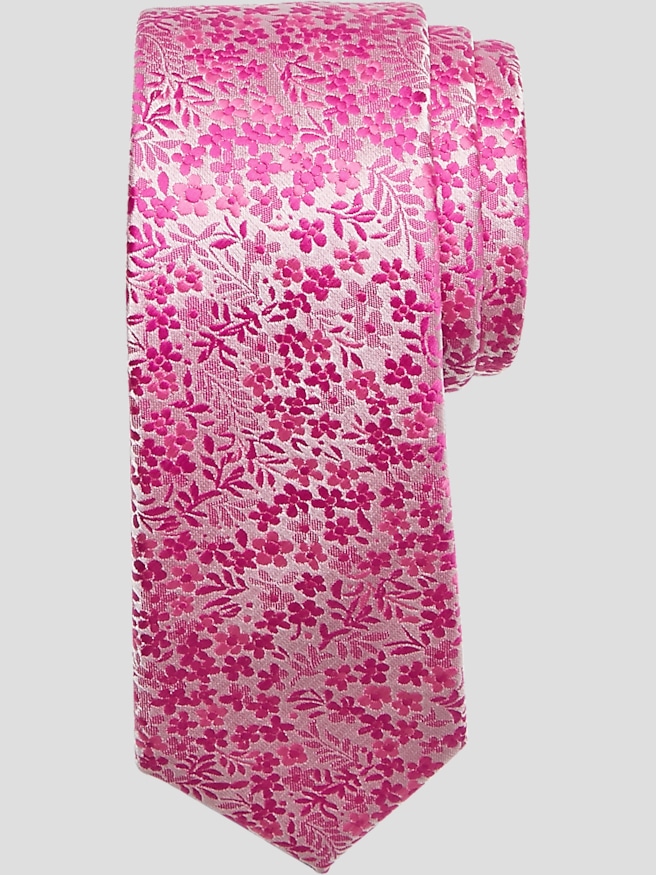
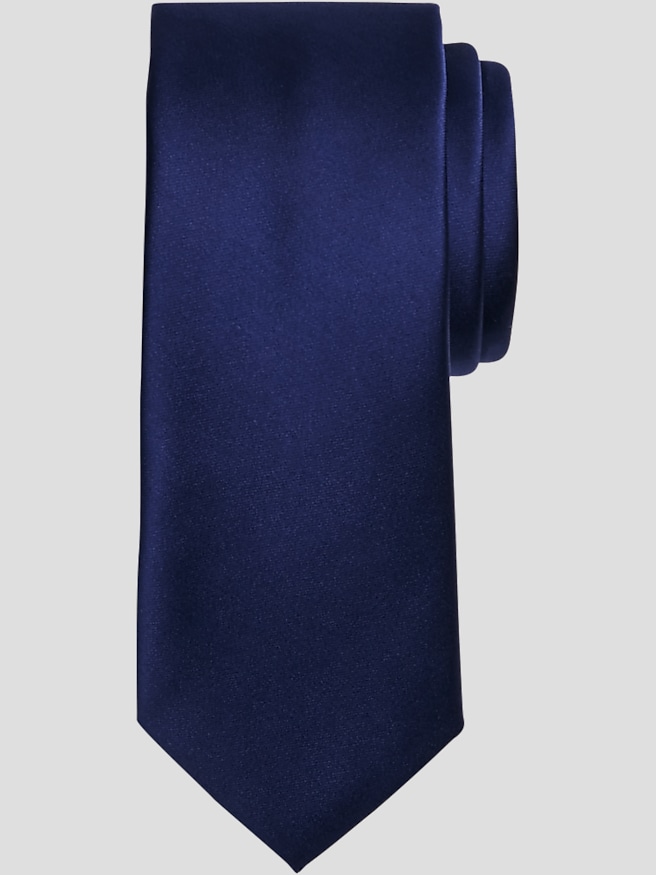
Silk ties bring depth, texture, and a sense of intention to tailored clothing, whether the occasion is a client presentation, a wedding reception, or a dinner that calls for more than an open collar. Silk’s appeal goes beyond shine: its fine fibers can create a smooth surface, a textured weave, or a soft, understated finish, giving the same basic accessory several distinct personalities. A tightly woven silk tie can feel substantial in the hand and form a defined knot, while a lighter construction may drape more softly against a shirt. Printed designs place color and pattern on the fabric’s surface; woven designs build the pattern into the cloth, often adding dimension that becomes more noticeable up close. Neither approach is inherently more formal, since the scale of the pattern, the contrast between colors, and the overall finish all influence the result. A small repeating motif can read almost like a solid from across a conference table, then reveal its detail in conversation. Broad stripes make a stronger statement, while a restrained geometric pattern can connect a plain shirt with a textured jacket without making the combination feel busy. Navy, burgundy, charcoal, and deep green offer useful starting points for a tailored wardrobe because they work with many familiar suit colors. Lighter shades and brighter accents can add contrast, especially when a shirt and jacket otherwise stay quiet. A silk tie does not need to match a pocket square exactly; sharing one color while varying the pattern usually creates a more relaxed, considered effect. Against a crisp white shirt, the tie becomes a clear focal point. Against pale blue or a subtle stripe, it can provide continuity rather than contrast. These small choices help explain why silk neckwear remains useful for professionals, wedding guests, graduates, and anyone who enjoys the finishing details of a well-dressed outfit. Its compact size also makes it easy to bring a more formal option along when travel includes both business appointments and celebratory dinners.
Proportion makes as much difference as color. A tie generally looks most balanced when its width relates to the jacket lapels and the wearer’s overall frame, rather than following a narrow trend in isolation. A slimmer silhouette can suit narrower lapels, while a broader blade often sits more naturally beneath a jacket with fuller lapels. Length matters just as much: with the knot comfortably secured at the collar, the front tip should usually reach the waistband or the top of the belt buckle. Taller wearers, longer torsos, and larger knots can all require additional length to reach that point without leaving the narrow end awkwardly short. The knot itself changes both the appearance and the amount of fabric needed. A four-in-hand produces a slightly asymmetrical shape that works well with many everyday collars, while a half-Windsor gives a more symmetrical result and can help fill a moderately spread collar. A very substantial tie may become bulky in a large knot, so the fabric’s thickness deserves consideration alongside the collar opening. A small dimple beneath the knot adds shape, but the tie should still hang freely rather than look tightly compressed. The most convincing combinations usually leave room for one element to lead. A bold shirt stripe pairs comfortably with a quieter tie, while a patterned tie has more room to stand out against a solid shirt. When patterns appear in both, varying their scale helps keep them distinct. For an interview or an important presentation, restrained color and moderate contrast can support a polished appearance without drawing attention away from the conversation. At a wedding, the invitation’s dress code and the formality of the venue provide better direction than color alone. A silk necktie works for many suited occasions, but an event specifying black tie generally calls for a bow tie with a tuxedo. For that distinct formalwear tradition, explore Cyber Monday Sale On Bow Ties.
Silk rewards careful handling, and everyday habits have a meaningful effect on how well a tie keeps its shape. At the end of the day, loosening the knot and reversing the tying steps is gentler than pulling the narrow end through a tightened knot. Leaving a tie knotted between wears can set creases and place repeated stress on the same section of fabric. Once untied, a brief rest on a suitable tie hanger or a loose roll can help the fabric relax; tight folds and crowded storage tend to create sharper marks. Construction matters here, too. The inner lining helps give a tie body and supports its return to shape, while neat seams and a smooth, balanced hang contribute to a clean appearance over repeated wear. Silk is strong for its fineness, but it can still snag on rough surfaces, jewelry, and abrasive fasteners. Keeping the blade clear of a desk edge or an open jacket zipper is a small precaution that helps protect the finish. Spills need particular care because rubbing can spread a stain or disturb the fabric’s surface. Blotting gently with a clean, dry cloth is a sensible first response, followed by the care instructions on the label; delicate silk neckwear may need professional cleaning rather than washing or home spot treatments. Direct heat can also affect the finish, so pressing methods should follow the label instead of the routine used for cotton shirts. For gifting, familiar wardrobe details offer useful clues without requiring an exact suit match. Someone who wears mostly navy and gray tailoring may appreciate a rich solid or a small-scale pattern, while a person with a more expressive wardrobe may enjoy bolder stripes or a textured weave. A graduation, career milestone, anniversary, or wedding can give a silk tie personal significance beyond its practical role. The strongest choice is one that feels natural with the recipient’s clothes and occasions, with comfortable proportions, a pleasing hand, and enough versatility to become part of a regular rotation.