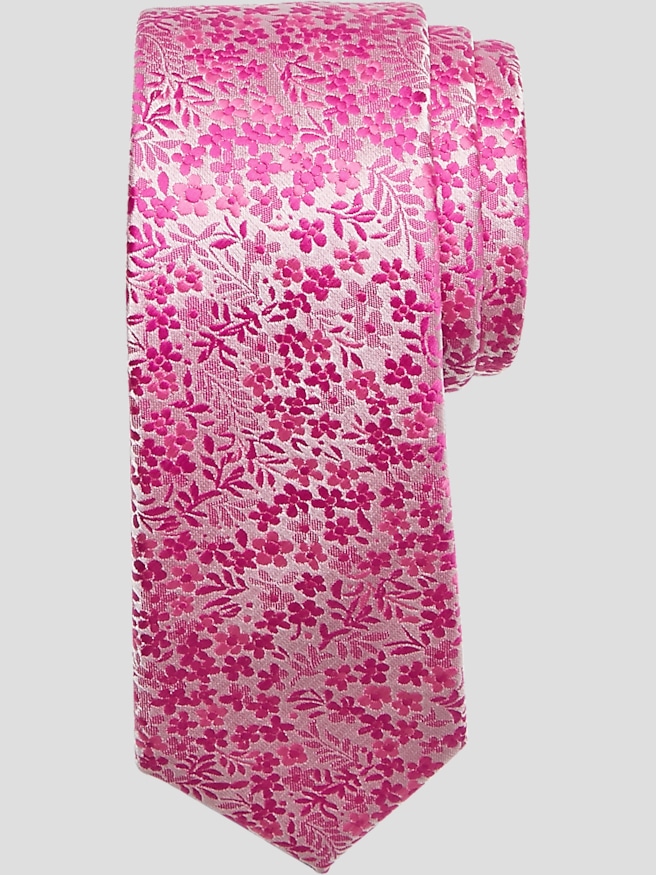
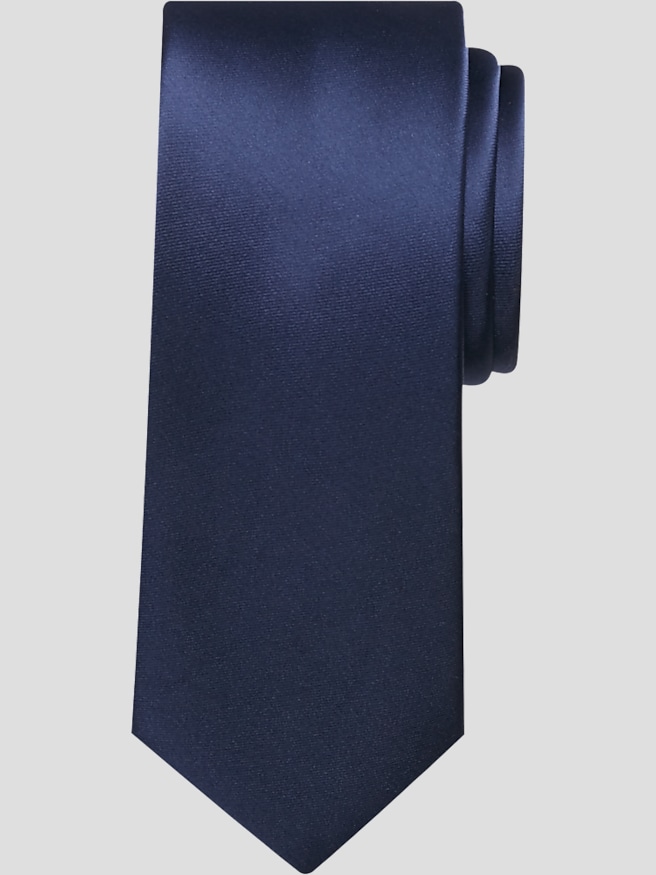
Dot ties bring a measured touch of personality to tailored clothing, adding enough pattern to make an outfit feel considered without overwhelming a suit or shirt. Their appeal comes from a simple balance: a consistent background, a repeating motif, and a scale that can read as subtle or expressive. Tiny pin dots tend to blend into the fabric from a distance, revealing their detail across a conference table or during a conversation. Larger polka dots create a more noticeable rhythm and can give otherwise restrained tailoring a lighter character. Spacing matters just as much as size. Closely arranged dots create a textured impression, while widely spaced dots leave more of the ground color visible. Navy, burgundy, charcoal, and deep green backgrounds can anchor familiar shirt-and-suit combinations, while lighter dots provide definition without requiring a bright overall palette. A dark dotted tie with a white shirt creates a crisp focal point; against pale blue, the same pattern can feel softer and less formal. For an office presentation, a small, evenly spaced dot usually keeps the emphasis on the person wearing it. For a wedding reception, anniversary dinner, or celebratory gathering, a more pronounced pattern can introduce personality while remaining polished. Pattern mixing works best when the designs are easy to distinguish. A narrow-striped shirt and a dotted tie can sit comfortably together when their scales are noticeably separated, especially beneath a solid jacket. With a checked suit, a quieter dot gives the eye a place to settle rather than adding another equally strong pattern. Repeating one color between the tie and the rest of the outfit helps the combination feel connected, but an exact match is not necessary. A pocket square can echo a secondary shade or provide a simple white accent instead of duplicating the tie. The result should look coordinated, not assembled from identical pieces. Dotted neckwear is particularly useful for someone whose wardrobe already relies on solid suits and shirts, since a small change in pattern can make those familiar foundations feel more individual.
Fabric determines how a dotted tie catches light, forms a knot, and settles against the shirt. Silk often offers a smooth hand and fluid drape, but its appearance varies considerably with the weave. A printed silk tie can have a relatively smooth surface, with the dot design applied to the cloth, while a woven jacquard can build the motif into the structure for more visible texture. Neither approach is inherently more appropriate for every occasion; the choice depends on the desired finish and how it works with the rest of the outfit. A restrained sheen complements a smooth worsted suit, while a more textured surface can sit naturally alongside a softly constructed jacket. The Cyber Monday sale on silk ties provides a related point of comparison for shoppers considering silk’s characteristic feel and finish. Cotton, wool, and blended fabrics bring other qualities to dotted neckwear. Cotton generally has a drier, less lustrous appearance, wool can add visual depth, and polyester blends may offer resilience and straightforward upkeep, depending on their construction. Fiber content alone does not determine quality or durability. The fabric, lining, stitching, and care all contribute to how well a tie holds its shape through repeated wear. A tie should drape cleanly rather than twist, and its lining should support the fabric without making the blade feel unnecessarily stiff. Proportion is equally important. A tie width that relates comfortably to the jacket’s lapels usually creates a balanced silhouette, while the wearer’s frame and preferred style can guide the final choice. Length should allow the front blade to finish around the waistband after knotting, with the narrow tail kept discreetly behind it. A four-in-hand knot often suits dotted ties because its compact, slightly asymmetrical shape does not compete with the pattern. A half-Windsor produces a fuller, more symmetrical result when the collar has room for it. Thicker fabrics naturally build larger knots, so a simple knot may provide a cleaner fit than an elaborate one. A gentle dimple beneath the knot can add dimension without requiring a perfectly sculpted finish.
Dot ties also make thoughtful gifts when the recipient wears tailored clothing for work, meaningful occasions, or personal enjoyment. A restrained dot can be approachable for someone building a first professional wardrobe, while a larger motif may suit someone who already enjoys patterned shirts and expressive accessories. Familiarity with the recipient’s usual suit colors, collar styles, and preferred tie width is more useful than choosing by pattern alone. For a graduation gift or a new role that calls for business attire, versatility often matters: a tie that works with several existing shirts is likely to see more use than one that requires an entirely new outfit. For someone who dresses up only occasionally, a balanced dot pattern can cover dinners, ceremonies, and many wedding settings without feeling tied to a single event. Invitations and workplace expectations still take priority, especially when an occasion calls for a particular level of formality. Keeping the tie looking sharp requires a few careful habits. Untie the knot after each wear rather than pulling it loose and leaving it partially formed, which can stress the fabric and set creases. Allow the tie to rest between outings, then hang it smoothly on a suitable rack or roll it loosely without compressing the tip. Avoid overfilled drawers, sharp clips, and prolonged direct sunlight. When packing, protect the tie from shoe hardware and other rough surfaces, and avoid pressing a tight fold across the blade. Care instructions should guide cleaning because silk, wool, cotton, and synthetic blends can respond quite differently to moisture and heat. Blot a fresh spill gently instead of rubbing it deeper into the weave, and avoid experimenting with household stain treatments on delicate cloth. Professional cleaning may be appropriate when the care label recommends it. If wrinkles remain after resting, follow the label’s guidance before using steam or an iron, since excessive heat or pressure can flatten texture and leave shine. These small habits help preserve the dot pattern’s clarity, the fabric’s surface, and the clean line that makes a well-chosen tie such an effective finishing touch.