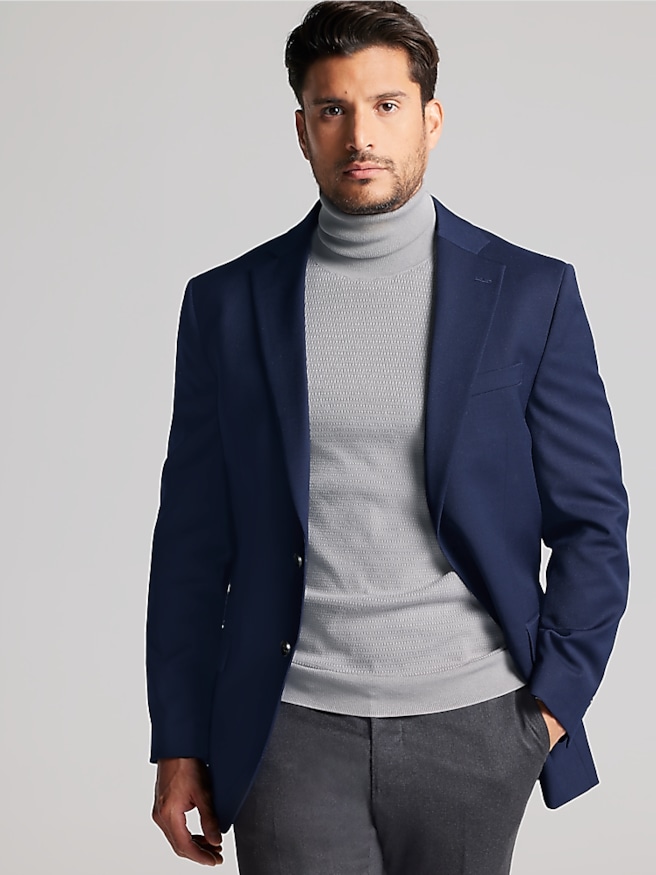
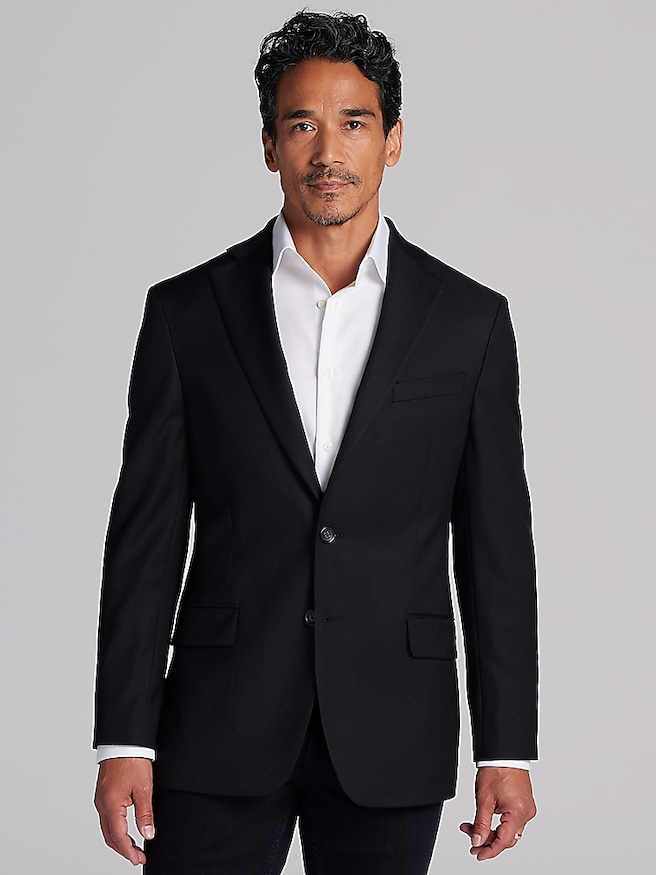
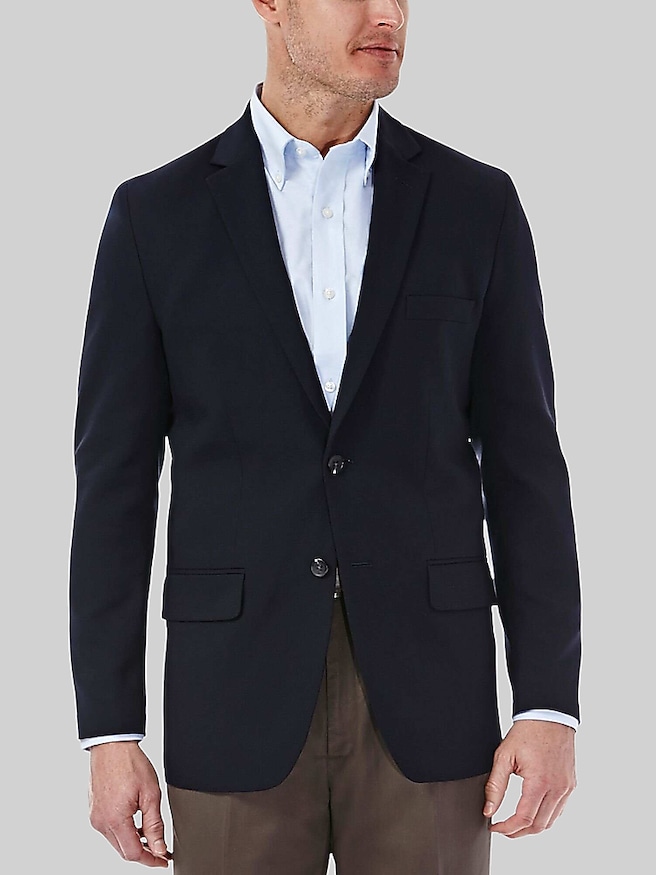
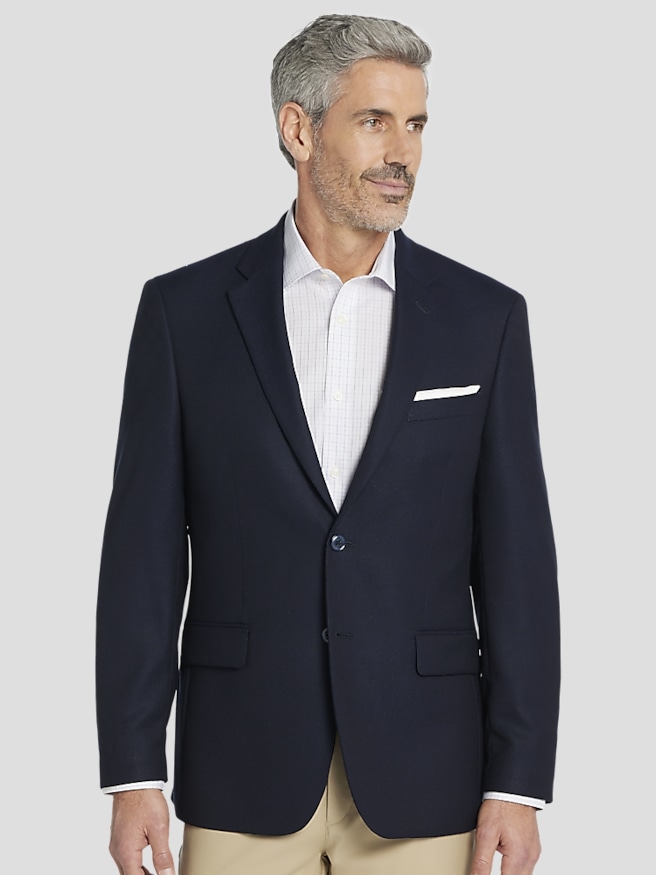
Corduroy tops combine the familiar shape of a casual shirt with a fabric that has visible depth and a soft, textured feel. The raised ribs, called wales, distinguish corduroy from smooth cotton shirting and give even a simple button-front silhouette plenty of character. For a Cyber Monday wardrobe refresh, that texture can make a corduroy shirt a useful addition rather than a piece reserved for one outfit or occasion. Fine-wale corduroy has narrow, closely spaced ribs that tend to look subtle from a distance, while wide-wale corduroy creates a bolder, more pronounced surface. Wale width describes the texture, not necessarily the weight; fabric density, fiber content, and construction also affect how substantial a top feels. Cotton corduroy is known for its soft hand and breathable character, while blends may incorporate fibers that add stretch or influence how the fabric drapes. A small amount of stretch can make reaching, sitting, and moving through a full day more comfortable, though a well-proportioned fit still matters. The pile also catches light, giving colors a depth that flat fabrics do not always have. Earth tones emphasize corduroy’s relaxed character, while navy, charcoal, and other dark shades can feel more understated. A fine-ribbed shirt beneath an unstructured jacket brings texture to a dinner outfit without the formality of a dress shirt and tie. A more substantial corduroy overshirt worn open over a plain T-shirt creates a casual layer for a neighborhood walk, a coffee stop, or a relaxed gathering. The distinction between a shirt and an overshirt comes down to details such as fabric weight, cut, pockets, and the room provided for another layer underneath. Neither has to look rugged or oversized; restrained proportions and simple finishing can keep corduroy looking clean and intentional.
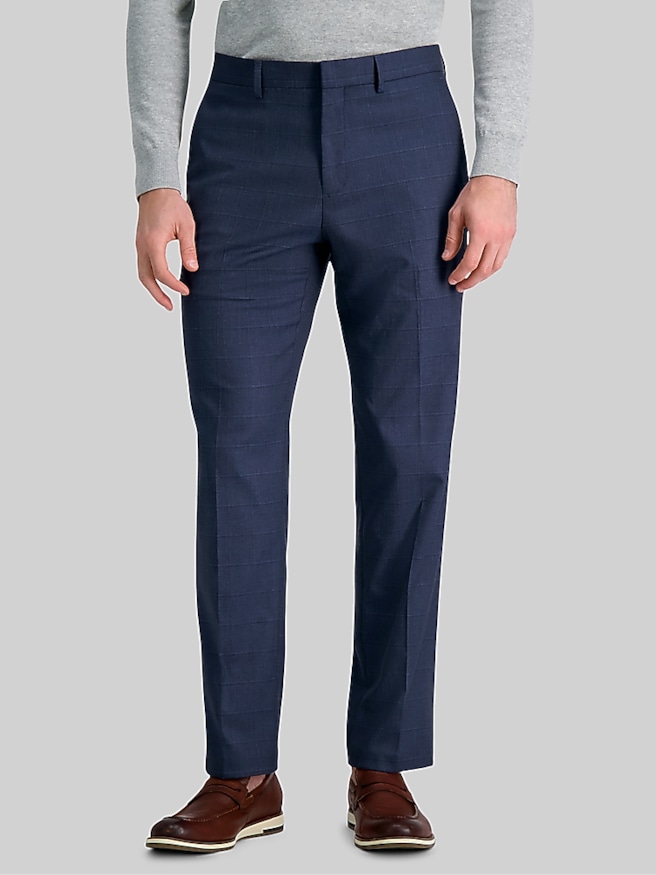
Fit determines whether a corduroy top works best as a tucked shirt, an untucked casual layer, or a shirt jacket. On a conventional shirt, the shoulder seams should sit close to the shoulder edges, and the button placket should lie flat without pulling across the chest. Horizontal strain lines near the buttons usually signal that more room is needed, while excess fabric bunching beneath a jacket can make layering uncomfortable. Sleeves should allow the elbows to bend freely, with cuffs that sit comfortably at the wrist rather than sliding over the hands. An overshirt needs additional space through the chest and upper arms to accommodate the clothing beneath it, but that extra room should suit the intended look rather than overwhelm the frame. Trying the same movements used throughout the day—reaching forward, sitting down, and bending the arms—reveals more than standing still in front of a mirror. Hem shape matters, too. A shorter, straighter hem often works naturally untucked, while a longer curved hem can provide better coverage when tucked into trousers. Corduroy’s surface already supplies visual interest, so straightforward pairings tend to work especially well. A tobacco-toned top with dark denim and leather boots feels relaxed without looking unfinished; a navy corduroy shirt with gray trousers and simple lace-up shoes has a more refined character. For complementary silhouettes, Cyber Monday modern fit pants offer another direction for building an outfit around texture and balanced proportions. A neat trouser line can offset a roomier overshirt, while a closer-fitting corduroy shirt pairs comfortably with pants that provide ease through the seat and thighs. Wearing corduroy with corduroy takes a little more attention: a contrast in color or wale width helps separate the pieces visually. For casual office settings, a buttoned shirt with restrained pockets may feel appropriate, while prominent flap pockets and a heavier build lean toward off-duty use. Dress-code expectations should always determine whether a textured casual shirt suits the occasion.
Corduroy’s lasting appeal depends as much on care as on styling. Its raised pile can flatten at pressure points or show marks when brushed against the grain, so the care label is the best starting point for cleaning and finishing. Some corduroy tops are machine washable, while others require a gentler process because of their fiber blend, lining, trim, or construction. When machine washing is permitted, turning the garment inside out, using a gentle cycle, and washing with similar colors can help protect the surface. Avoid overloading the washer, since tightly packed clothing has less room to move and rinse properly. High heat can contribute to shrinkage or alter the feel of cotton-based fabrics, so follow the stated drying directions rather than assuming every corduroy shirt can handle the same routine. Remove the garment promptly after drying to limit set-in creases. If pressing is allowed, working from the reverse side with light pressure helps avoid crushing the ribs; test an inconspicuous area first and follow any temperature restrictions. A soft clothing brush can help lift surface lint, with gentle strokes following the direction of the pile. Between wears, hanging a top on a supportive hanger gives it space to air and helps preserve its shape. Long-term durability also depends on sound seams, securely attached buttons, and enough ease that movement does not continually stress the same areas. Corduroy can make a thoughtful gift for someone who enjoys textured clothing, favors casual button-front shirts, or regularly wears an open layer over a T-shirt. Familiar colors and a silhouette similar to the recipient’s most-worn clothing are often more useful than an unfamiliar cut chosen only for its appearance. Checking the measurements of a shirt that already fits well can clarify chest width, sleeve length, and preferred body length. The result is a top with a clear role in everyday dressing: comfortable enough for ordinary routines, distinctive enough to give simple combinations a little more character, and versatile enough to wear again in several ways.