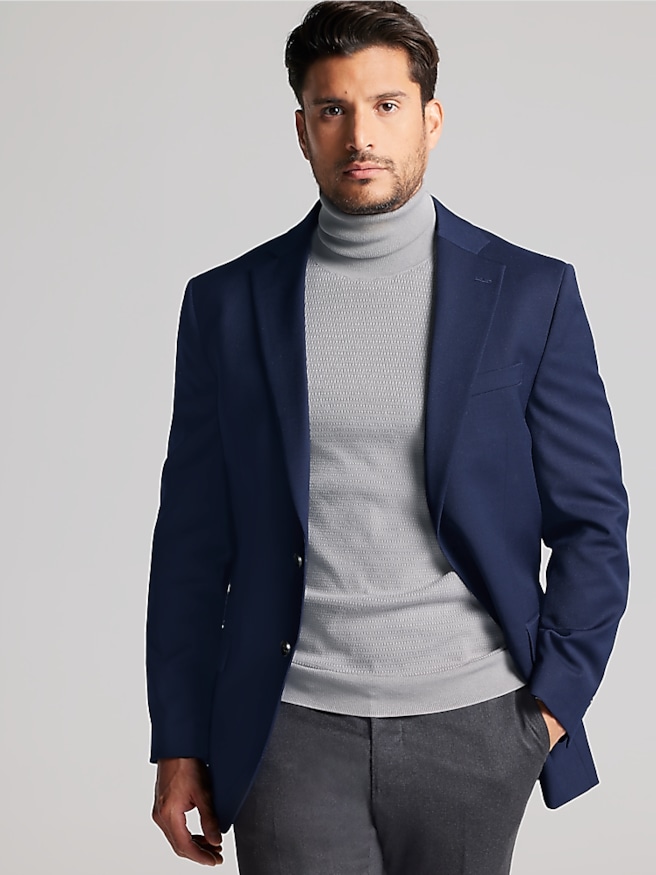
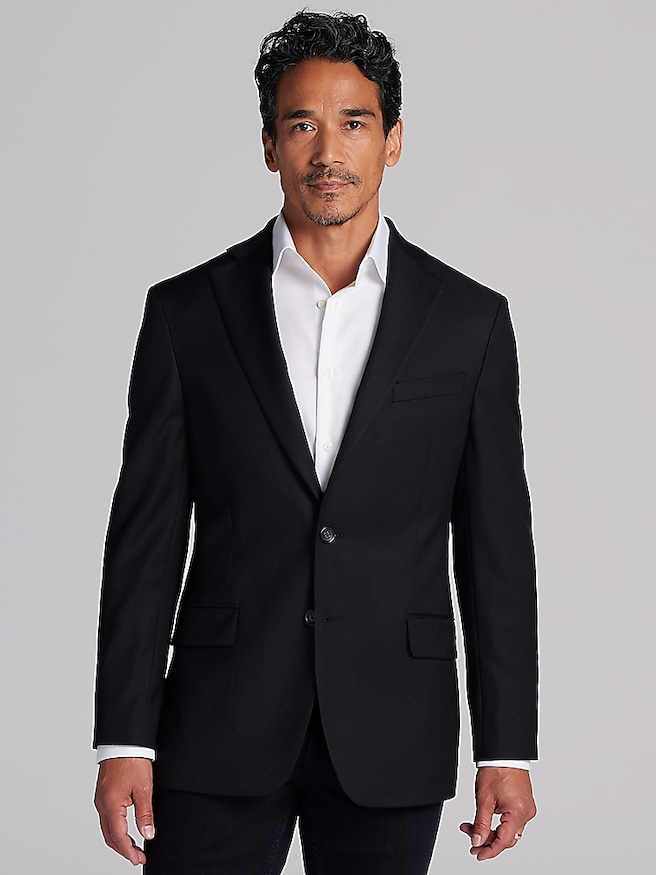
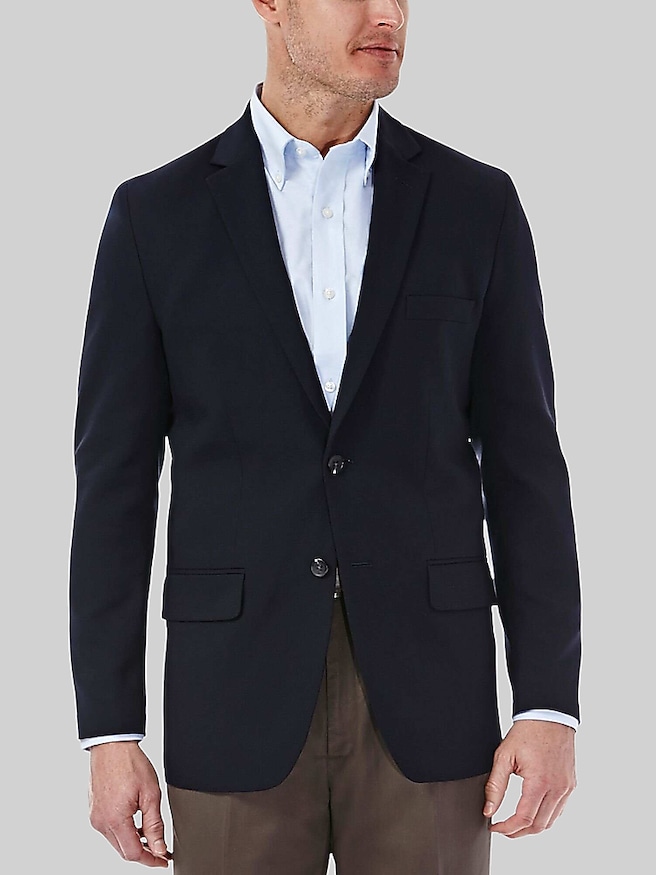
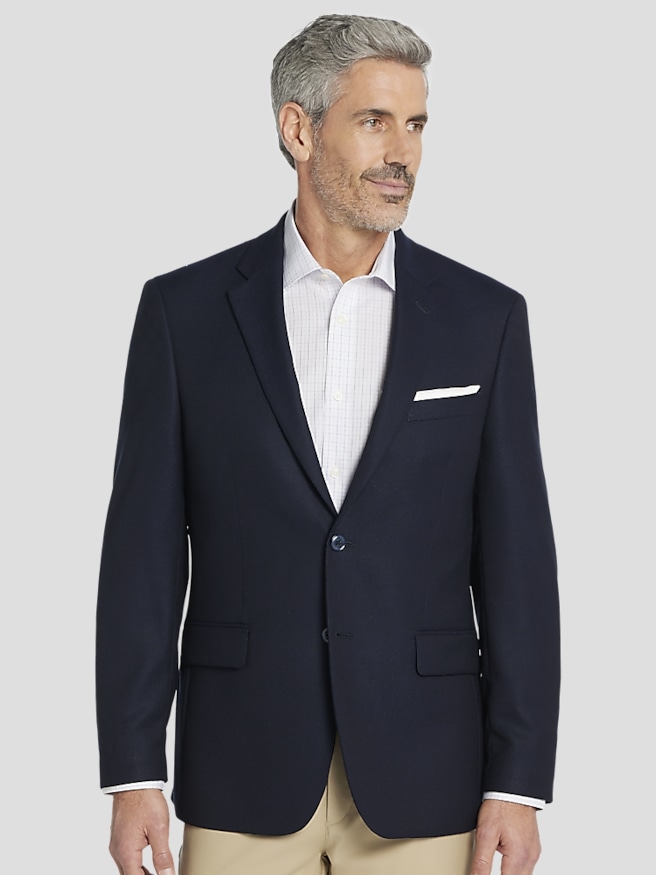
Wool-blend coats bring a tailored finish to cool-weather dressing, with enough versatility to work over a business suit, a textured sweater, or a simple shirt and chinos. For anyone browsing wool-blend coats for Cyber Monday, the defining feature is the fabric: wool is combined with one or more other fibers to balance qualities such as warmth, texture, weight, and resilience. Wool contributes natural crimp that helps trap insulating air, while the other fibers influence how the cloth feels, drapes, and holds up to regular wear. Polyester can contribute strength and shape retention, nylon can improve abrasion resistance, and a small amount of cashmere can lend softness. The exact fiber percentages matter, but they do not tell the whole story. Fabric density, construction, lining, and coat length all affect comfort outdoors. A substantial, tightly woven shell generally provides more protection from a brisk breeze than a lighter, loosely constructed fabric, though a wool blend should not be assumed to be windproof or waterproof. Smooth linings help sleeves slide over a jacket without catching, while added insulation, when present, changes how warm a coat feels and how much room it needs underneath. These details become noticeable during ordinary routines: walking several blocks from a train station, standing outside before a dinner reservation, or crossing a parking lot with a briefcase in hand. A longer overcoat offers coverage through the thighs and a polished outline over tailoring. A shorter car coat can feel less cumbersome when sitting behind the wheel or moving between indoor and outdoor spaces. Neither length is automatically warmer or more practical; the right balance depends on the fabric and the way the coat will be worn. During the cooler months, a wool-blend coat is particularly useful for occasions that call for something more structured than a casual jacket, from office days and evening performances to family gatherings and dressier celebrations.
Fit determines whether that structure feels comfortable or restrictive. A wool-blend coat should accommodate the clothing beneath it without pulling across the upper back, straining at the buttons, or bunching through the sleeves. Someone who regularly wears a suit jacket needs to assess the coat over that jacket, not only over a lightweight shirt. Shoulder seams on traditionally set-in sleeves should sit close to the natural shoulder line, with sufficient space for the layers underneath; dropped shoulders and raglan construction create a deliberately softer outline. When the coat is fastened, the front should lie cleanly rather than forming pronounced folds around the closure. Reaching forward, sitting down, and bending the elbows can reveal tightness that is easy to miss while standing still. A close-cut silhouette may look sharp, but it should still allow those everyday movements. Modern fit generally describes a shaped profile with less excess fabric than a roomier classic cut, although measurements vary by maker and construction. For a closer look at that silhouette, Cyber Monday modern fit coats offer a related starting point. Length deserves equal attention: a coat worn with tailoring usually looks most balanced when it covers the suit jacket hem, while sleeve length should provide wrist coverage without swallowing the hands. Single-breasted fronts create a clean vertical line and tend to work easily with both office clothing and relaxed layers. Double-breasted fronts add overlapping fabric and a more pronounced tailored character. Lapels, collars, and pockets also shape daily usefulness. A collar that sits comfortably beside a scarf can make a cold walk more pleasant, and accessible pockets provide a place to warm the hands. Charcoal, navy, black, and camel tones coordinate naturally with many wardrobes, while subtle herringbone or heathered textures introduce visual depth. The most useful choice often reflects existing clothing: dark tailoring, brown leather footwear, denim, or knitwear in muted shades.
Care and construction have a lasting effect on how a wool-blend coat looks after repeated wear. A dense fabric with a consistent surface, neatly finished seams, secure buttons, and a lining that hangs smoothly provides a useful foundation, though no single detail guarantees longevity. Friction from shoulder bags, seat belts, and frequent contact at the cuffs can gradually roughen the surface. Pilling may occur even in well-made blends, especially where fibers rub together, and it does not necessarily mean the coat has lost its usefulness. Gentle attention is more effective than aggressive brushing or pulling at loose fibers. Follow the care label before using a fabric comb or other grooming tool, since delicate finishes can be damaged by the wrong method. After wearing, place the coat on a broad, supportive hanger so the shoulders retain their shape, and allow it to air in a ventilated space before putting it into a crowded closet. Emptying the pockets helps prevent unnecessary stretching and keeps the front hanging evenly. If the coat becomes damp, let it dry naturally away from direct heat; a wool blend can tolerate some incidental moisture, but prolonged rain calls for suitable weather protection. Blot spills promptly without rubbing, and follow the labeled cleaning instructions rather than assuming the fabric can go into a household washing machine. Many structured wool-blend coats require professional dry cleaning because the shell, lining, and internal shaping materials respond differently to water and agitation. Between cleanings, a soft garment brush can help remove surface dust when appropriate for the fabric. For extended storage, clean the coat as directed and use a breathable garment bag in a dry space with suitable protection against fabric pests. This combination of thoughtful wear and measured care makes wool-blend outerwear a practical choice for commuters, frequent travelers, and anyone whose schedule moves from daytime responsibilities to evening plans. It can also make a considered gift for a partner, parent, or adult son, especially when the recipient’s measurements, usual layers, and preferred coat length are known. A coat that fits familiar routines is more likely to become the layer reached for before heading out the door.