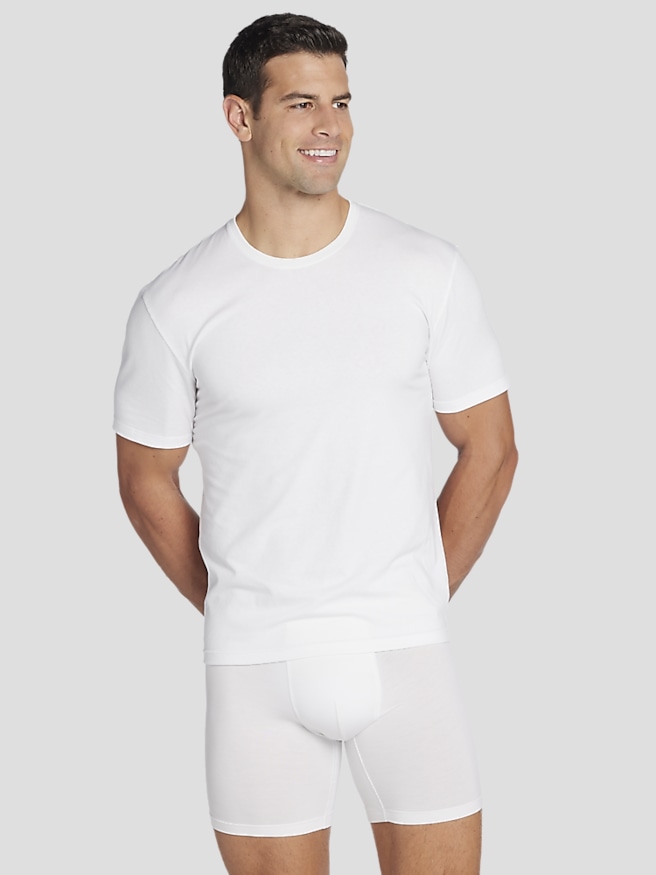
Cyber Monday apparel brings everyday dressing and special occasions into the same conversation, with fabric, fit, and construction shaping how clothing looks and feels long after its first wear. A useful wardrobe has room for professional settings, relaxed weekends, dinner reservations, and celebrations without requiring a completely separate outfit for each. Button-front shirts, tailored trousers, knitwear, and jackets can serve several of those roles when their textures and proportions work together. Cotton is a familiar choice for shirting because it feels comfortable against the skin, while its weave influences the finished appearance: poplin tends to look smooth and crisp, and Oxford cloth has a more noticeable texture that suits less formal combinations. Wool can bring drape and resilience to tailored clothing, helping a jacket or pair of trousers hold its shape with appropriate care. Merino wool often has a finer hand than heavier wool knits, making it useful for layers that need to sit comfortably beneath a jacket. Blended fabrics may combine these qualities with added stretch, softness, or easier maintenance, although the fiber percentages and care label tell more than a broad fabric name alone. A small amount of elastane can make sitting, reaching, and walking more comfortable, but stretch does not replace the need for the right size. Surface texture matters, too. A fine-gauge knit slides beneath tailoring with less bulk, while a more substantial knit creates a relaxed look worn on its own. Smooth fabrics generally read as more polished; visible texture can make a familiar combination feel less formal without looking careless. For someone moving from a desk to an evening gathering, those distinctions are practical rather than decorative. A restrained palette of navy, gray, brown, white, and muted accent colors makes it easier to repeat clothing in new combinations. Patterns can add personality without taking over an outfit, especially when their scale stays balanced with the surrounding pieces. A small check beneath a solid jacket, for example, provides detail while keeping the overall impression composed.
Fit gives those fabrics their finished shape, and the most useful distinctions are visible in how clothing rests on the body and responds to movement. A shirt should allow comfortable motion through the shoulders without pulling across the chest or leaving excess fabric gathered at the waist. Its collar should feel secure when fastened, not restrictive, and the sleeve length should work with the way it will be worn. A shirt intended to stay tucked needs enough length to remain in place through sitting and reaching; an untucked style generally looks more balanced when its hem does not overwhelm the trousers beneath it. Tailored jackets depend heavily on the shoulder line and collar, which should sit cleanly rather than buckle or pull away. The front should close without pronounced strain, and the sleeves should leave the hands free rather than swallowing them. Trousers need a comfortable waist, enough room through the seat, and a rise that suits both the wearer and the intended outfit. Slim, modern, and classic fit labels describe broad approaches, not universal measurements, so two garments carrying the same label may still feel distinct. Modern fit typically falls between a close-cut silhouette and a roomier traditional shape, offering definition without aiming for the narrowest possible leg. For a closer look at this balanced approach to tailoring, explore Cyber Monday Sale On Modern Fit Pants. The relationship between the thigh, knee, and leg opening affects the whole outline, especially when paired with a jacket. Hem length also changes the impression: a slight break can look clean and contemporary, while additional length creates a softer line above the shoe. Comfortable clothing should still feel comfortable after a commute or several hours at a table, not just during a moment in front of a mirror. That is especially relevant for office dressing, business travel, and celebrations where sitting, standing, and moving between spaces are all part of the occasion. Balanced proportions let the outfit look intentional without making the wearer feel constrained.
Care and construction help determine how well apparel continues to serve those routines. Even a soft fabric needs suitable maintenance, and similar-looking garments can have very distinct washing and drying requirements. Care labels take priority over general assumptions about a fiber. Some cotton blends tolerate machine washing, while structured tailoring and certain wool garments may require professional cleaning. Excessive heat can affect dimensions, stretch fibers, and surface appearance, so a familiar laundry routine is not automatically appropriate for every garment. Knits often keep their shape better when folded rather than left hanging from narrow hangers, while tailored jackets benefit from supportive hangers that follow the shoulder. Giving clothing space between wears allows it to air out, and promptly addressing a small stain according to the care instructions can prevent a minor mishap from becoming a lasting mark. Construction details are equally useful when considering repeated use. Even stitching, secure buttons, neatly finished seams, and reinforcement at stress points can contribute to dependable wear, though no single feature guarantees longevity. Pocket openings should lie cleanly, fastenings should work smoothly, and patterned fabric should look orderly where prominent seams meet. Intended use provides context for those details: clothing worn through a full workday faces a distinct routine from tailoring reserved for occasional celebrations. Gift giving adds another consideration, especially around Cyber Monday. Apparel can be a thoughtful choice for a partner, father, brother, son, friend, or colleague when the selection reflects how that person actually dresses. Someone building a professional wardrobe may appreciate versatile colors and manageable care requirements, while a frequent traveler may place greater importance on comfort, movement, and fabrics that recover well after packing. Familiar size information helps, but preferred fit, sleeve length, and tolerance for close-fitting clothing matter just as much. A successful clothing gift feels connected to the recipient’s habits rather than an imagined version of their style. Across everyday dressing and meaningful occasions, the strongest wardrobe choices are the ones that combine a comfortable fit, suitable fabric, considered construction, and care requirements that make sense for the person wearing them.