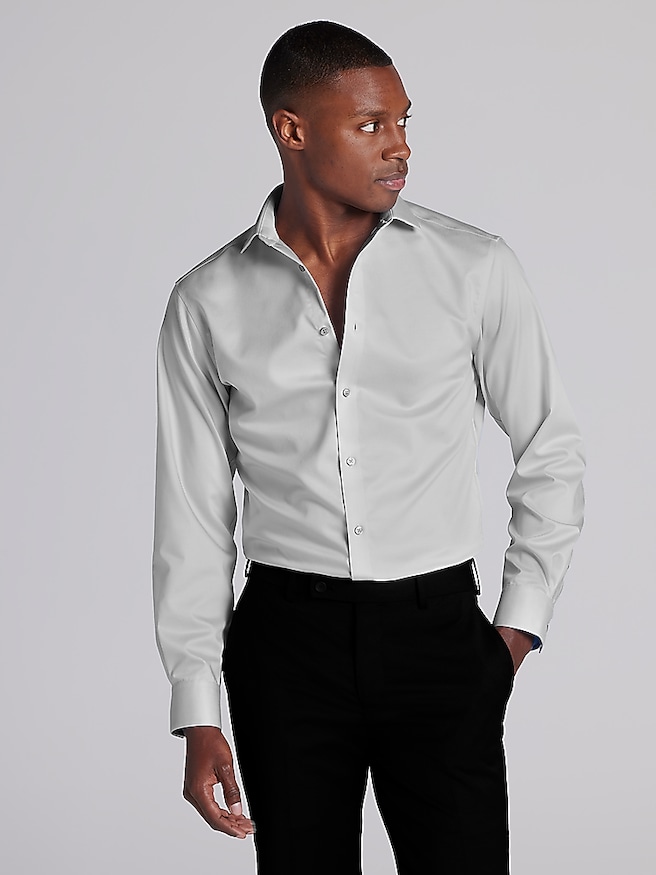
Casual shirts belong on a Cyber Monday shopping list for a straightforward reason: they get worn. They bridge the space between a basic T-shirt and a dress shirt, with enough structure to look put together and enough ease for a day that moves from a desk to dinner with friends. A button-front shirt can work with chinos for a casual office, sit comfortably over a plain tee, or pair with dark jeans without making the outfit feel formal. Fabric makes a noticeable difference in how that versatility feels. Cotton is breathable and absorbent, with a familiar hand that can range from crisp to soft depending on the weave and finish. Oxford cloth has a textured surface and a little more body, while poplin generally feels smoother and lighter. Twill has a subtle diagonal weave that can lend substance and a fluid drape. Linen brings visible texture and a relaxed appearance; its natural creasing is part of the character rather than a sign that the shirt needs to look perfectly pressed. Blends can combine the qualities of several fibers, although their feel and care requirements depend on the actual composition. A small amount of stretch may make reaching, driving, or sitting more comfortable, but stretch alone does not determine whether a shirt fits well. Knit shirts tend to move differently from woven shirts, often with a softer outline, while woven fabrics can give collars, cuffs, and plackets more definition. Solid colors make straightforward partners for patterned trousers or textured jackets. Checks and stripes add interest to an otherwise simple combination, and smaller patterns can look understated from across a room. These details give casual shirts their range: familiar enough for everyday wear, but varied enough to reflect a personal style without requiring a complicated outfit. The result can be as simple as a clean collar above a crewneck sweater or a neatly rolled sleeve beside a watch.
Fit shapes the appearance of a casual shirt as much as the fabric does. A comfortable shoulder seam generally sits near the edge of the shoulder, while the chest and upper back need enough room for ordinary movement without pulling the front open. When a shirt strains across the buttons, extra fabric elsewhere will not necessarily solve the problem; the proportions may simply be wrong for the wearer. A slim fit typically follows the torso more closely, a regular fit allows a straighter line, and a relaxed fit offers additional ease, though those descriptions can vary by maker. Measurements are more useful than a familiar size letter alone, especially for someone with broad shoulders, a longer torso, or fuller arms. Sleeve length matters whether the cuffs are buttoned or rolled: sleeves should allow the arms to bend without tugging sharply at the shoulder. Shirt length also changes the effect. A shorter hem can look balanced worn untucked, while a longer tail generally stays tucked more securely through sitting and reaching. Neither approach needs to look stiff. An open collar and sleeves turned back neatly can soften the appearance of a tucked shirt, while a well-proportioned untucked shirt still looks intentional with clean-lined trousers. Collars contribute their own character, too. A button-down collar helps keep the points in place, while an unbuttoned collar without fastening points can create a looser frame around the neckline. For a workplace with a casual dress code, subtle patterns and restrained colors often blend easily with existing pants and shoes. For a family meal or an evening out, a more pronounced check or textured weave can give a familiar outfit a distinct focal point. Casual shirts also make thoughtful gifts for a father, brother, partner, or friend when the choice reflects how that person dresses. The fit and fabric of a shirt already worn often are usually better clues than a color that looks appealing on its own. A useful gift feels like a natural addition to the recipient’s wardrobe, not an assignment to adopt a new style.
Care and construction help determine whether a casual shirt remains a dependable part of that wardrobe. Even stitching, secure buttons, and neatly finished seams are useful details to examine, particularly around cuffs, underarms, and the lower edges where repeated movement and laundering can cause wear. A heavier fabric is not automatically more durable, and a soft fabric is not automatically delicate; fiber quality, weave, finishing, and everyday treatment all influence how a shirt holds up. The care label is the best starting point because two shirts that look similar may need different handling. Some can be machine washed and tumble dried according to their labels, while others benefit from gentler treatment or professional cleaning. Excessive heat can contribute to shrinkage and affect certain stretch fibers, so the recommended drying setting matters. Promptly removing a shirt from the dryer, when tumble drying is permitted, can help limit set-in wrinkles. Smoothing the collar, placket, and cuffs before hanging can also reduce the work needed later. Any ironing should follow the fabric’s temperature guidance, with particular attention to blends and finishes. Small habits make a practical difference: treating a spill according to the care instructions, replacing a loose button before it disappears, and giving shirts enough space in the closet to hang without being crushed together. The payoff is not a permanently pressed appearance but a shirt that keeps its shape and feels good to wear again. Casual shirts serve a different purpose from shirts chosen mainly for a tie and a tailored jacket; Cyber Monday On Slim Fit Dress Shirts is a related option for those more dressed-up occasions. An everyday shirt can still look polished, but its strength lies in adaptability. The most useful choices work with several familiar outfits, feel comfortable through ordinary movement, and have care requirements that fit the wearer’s routine. That combination gives a casual shirt a lasting role well beyond Cyber Monday.