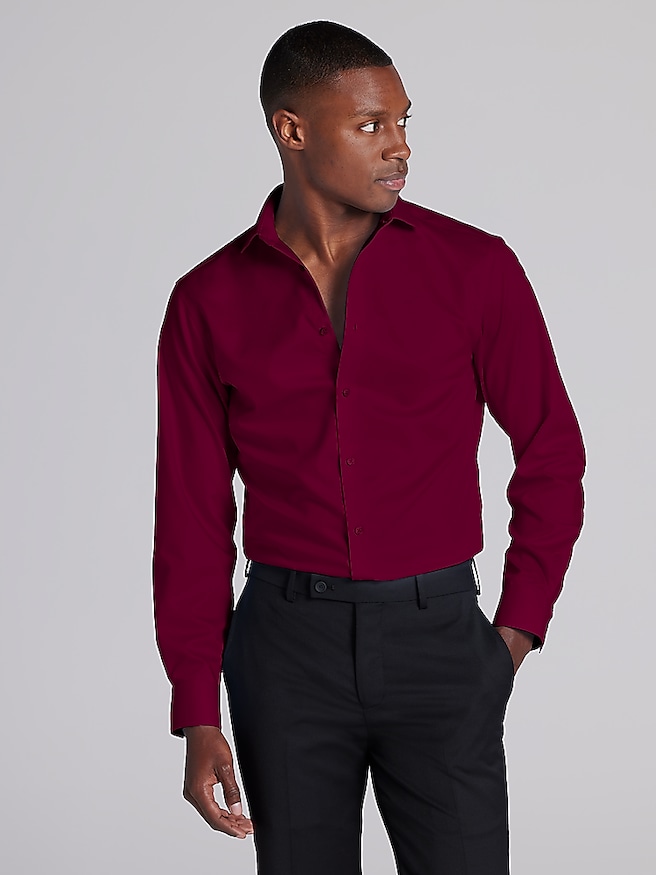
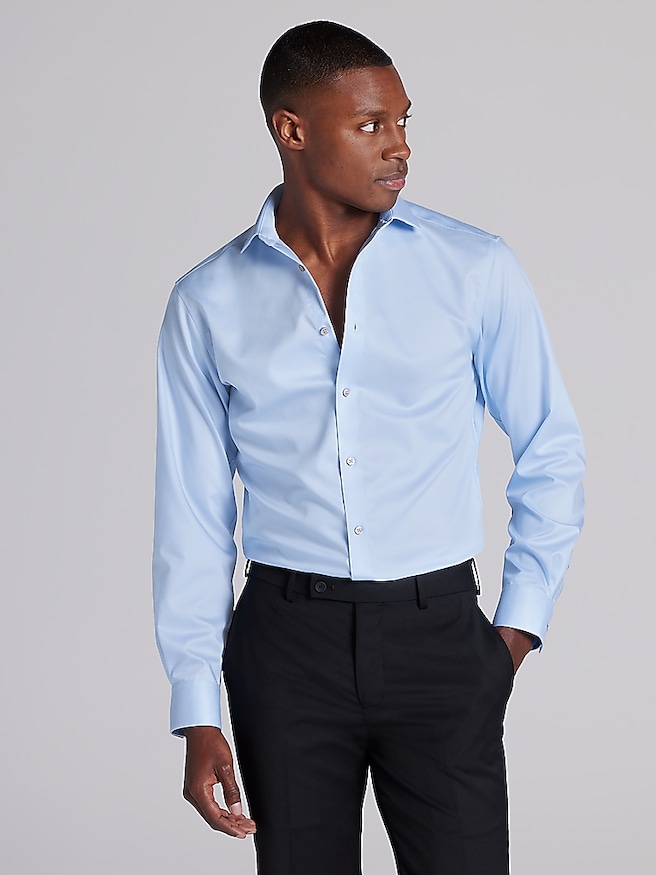
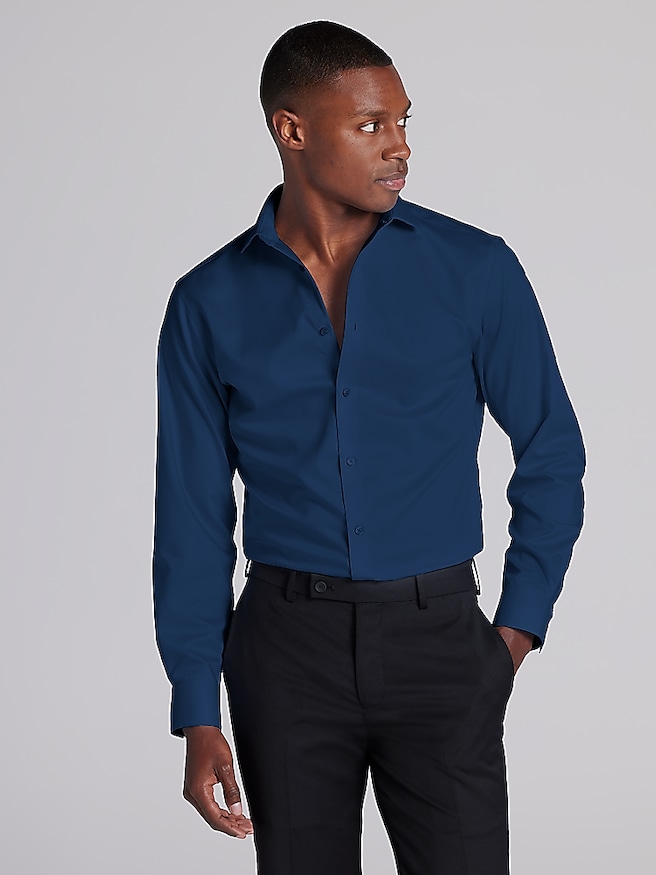
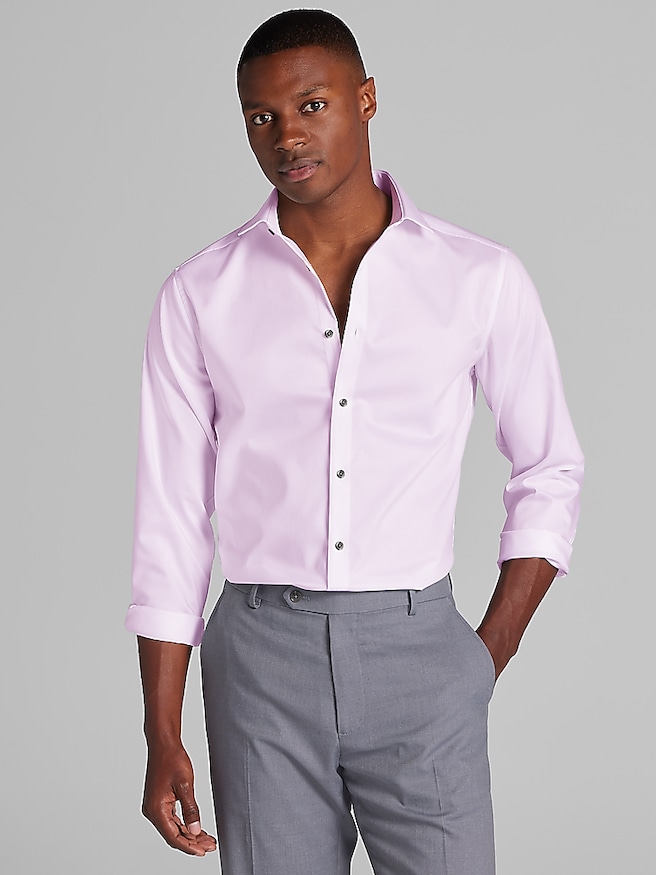
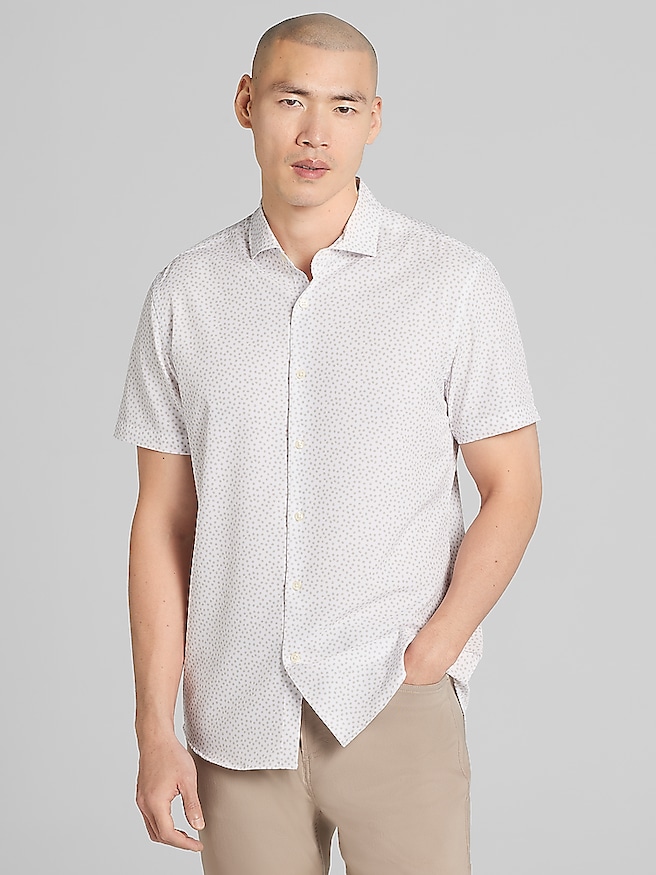
Slim fit dress shirts bring a clean, defined shape to tailored clothing, with less excess fabric through the torso and a closer line along the sleeves. For a Cyber Monday search centered on these shirts, the lasting appeal is versatility: a well-chosen shirt can work beneath a business suit, stand on its own with dress pants, or add polish to a jacket worn without a tie. The silhouette is shaped rather than oversized, but it should still leave enough room to sit comfortably, reach across a desk, and move through a full day. Slim fit is a description of the cut, not a rule about who can wear it, and proportions vary among shirt designs. Shoulder seams that sit near the natural shoulder edge help the upper body look balanced, while a smooth button placket keeps the front neat. Pulling between buttons, pronounced creases across the chest, or a collar that presses against the neck can signal that the cut needs more room. Neck size and sleeve length matter as much as the waist: a collar should close comfortably when worn with a tie, and cuffs should reach the wrist without sliding far onto the hand. Under a tailored jacket, a small edge of visible shirt cuff creates a deliberate finish. A curved hem with enough length to remain tucked is particularly useful for presentations, ceremonies, and long stretches of sitting and standing. White and pale blue offer familiar foundations for business and occasion dressing, while subtle stripes and small checks introduce variety without overwhelming a suit. Deeper colors create a more pronounced contrast with lighter trousers and can suit dinners or evening gatherings. The best match depends on the wearer’s proportions, usual dress code, and preference for a closer or more relaxed feel within the slim fit category. A shirt that looks composed and feels easy to wear earns its place well beyond a single event.
Fabric gives a slim fit dress shirt much of its character, affecting how it drapes, how it feels against the skin, and how much attention it needs between wears. Cotton is a familiar choice for its softness and breathability, though the weave makes a noticeable difference. Poplin and broadcloth typically present a smooth, relatively crisp surface that works well with a suit and tie. Twill has a fine diagonal texture and often a softer drape, lending depth to a solid color without adding an obvious pattern. Pinpoint Oxford offers understated texture that can bridge more formal office clothing and less structured combinations. Fabric weight and opacity are worth considering, especially with pale colors: a thin white shirt may reveal an undershirt or show more contrast beneath the fabric than expected. A discreet undershirt with a close fit and a neckline that stays hidden can help preserve a clean appearance. Cotton blends may offer easier care or added resilience, while fabrics containing stretch fibers can allow more give through the shoulders and elbows. Stretch does not replace a suitable fit, however; fabric should rest smoothly rather than remain under tension. Collar construction also changes the effect. A spread collar leaves space for a fuller tie knot, while a point collar creates a narrower frame at the neck. Button-down collars tend to feel less formal and can work naturally without a tie. Barrel cuffs keep the finish straightforward, while French cuffs introduce cufflinks and a more dressed-up detail. For someone who spends hours typing, presenting, or traveling between appointments, comfortable cuffs and sleeves that move easily can matter as much as the shirt’s appearance. Those who wear a tie regularly may place greater emphasis on collar shape and structure. Someone dressing mainly for dinners or occasional celebrations may favor a collar that sits neatly with the top button open. These details help distinguish a shirt suited to everyday rotation from one chosen primarily for a particular occasion.
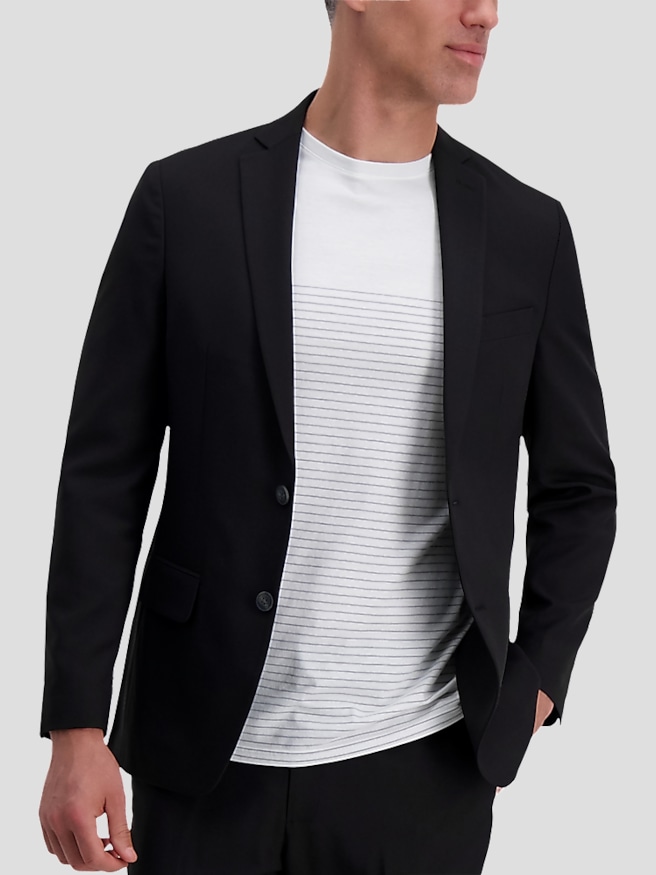
A useful dress-shirt wardrobe reflects the settings in which it will be worn. For interviews and client meetings, a smooth, understated shirt keeps attention on the wearer and pairs easily with restrained tailoring. At weddings, anniversary dinners, and other celebrations, texture, color, and cuff details offer room for a more personal finish while still respecting the dress code. For coordinated proportions, Cyber Monday slim fit jackets complement the streamlined shape of a closer-cut shirt; the shirt should lie smoothly beneath the jacket without bunching at the waist or binding at the armholes. Trousers with a balanced rise and a waistband that holds a tuck comfortably complete the line. A dress shirt can also be a thoughtful gift for a graduate beginning a professional role, a partner preparing for an important celebration, or someone rebuilding a work wardrobe. Accurate neck and sleeve measurements, along with a sense of the recipient’s preferred colors and care routine, make that choice more personal and practical. Long-term usefulness depends partly on construction and partly on upkeep. Even stitching, firmly attached buttons, and neatly finished seams are details associated with a tidy, durable garment, though every fabric needs appropriate handling. The care label should determine washing, drying, ironing, and any professional cleaning requirements. Prompt attention to collar and cuff marks can help prevent buildup, and separating light colors from darker fabrics helps preserve their appearance. Excessive heat can cause shrinkage or affect stretch fibers, so treatment should match the fabric rather than follow a single routine for every shirt. Wrinkle-resistant finishes can reduce maintenance, but they do not necessarily eliminate the need for pressing. Hanging a shirt promptly after drying and smoothing the collar, placket, and cuffs can make getting dressed simpler. With a comfortable cut, fabric suited to its purpose, and consistent care, a slim fit dress shirt becomes a dependable part of getting ready, whether the day calls for a full suit or a more understated combination.