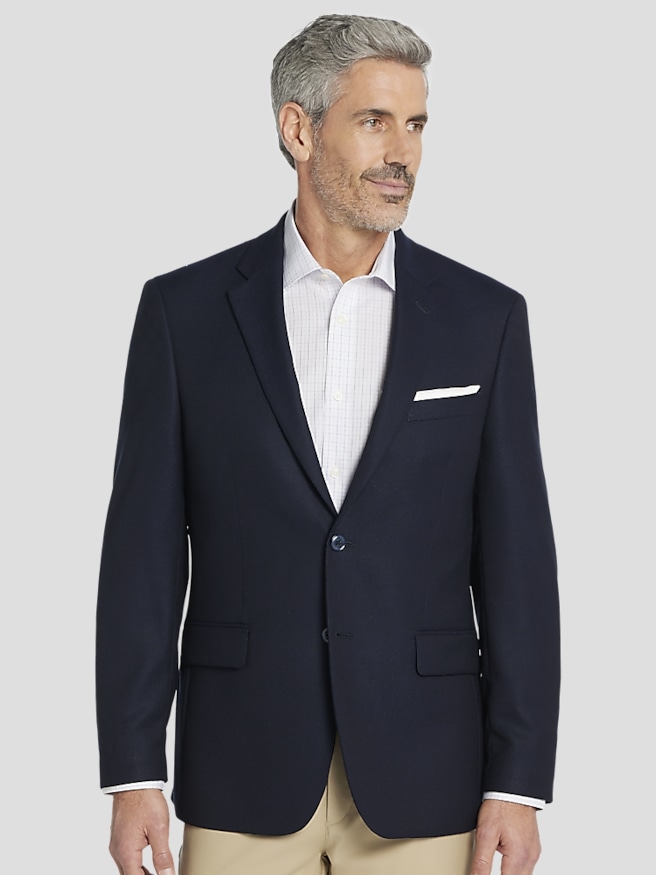
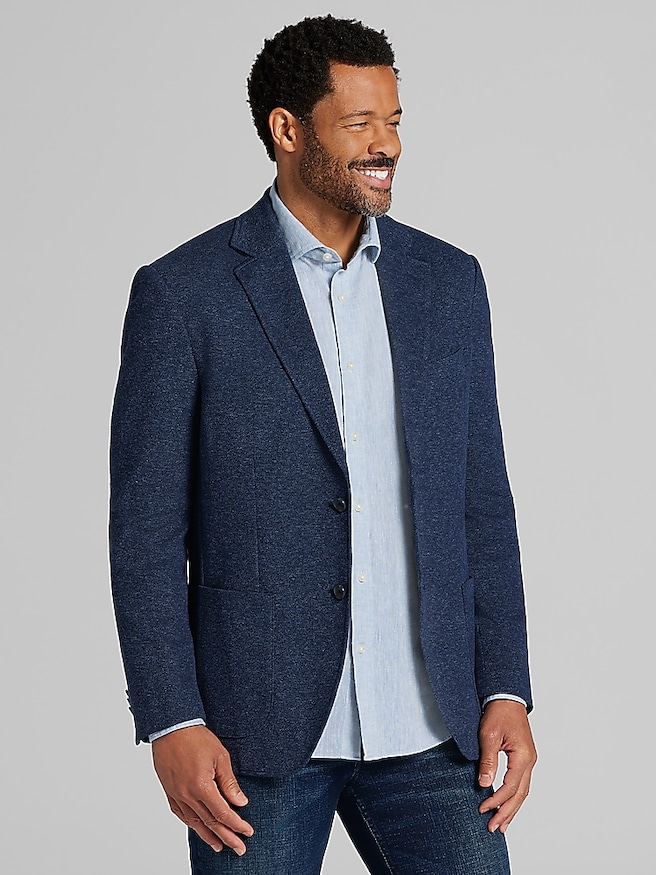
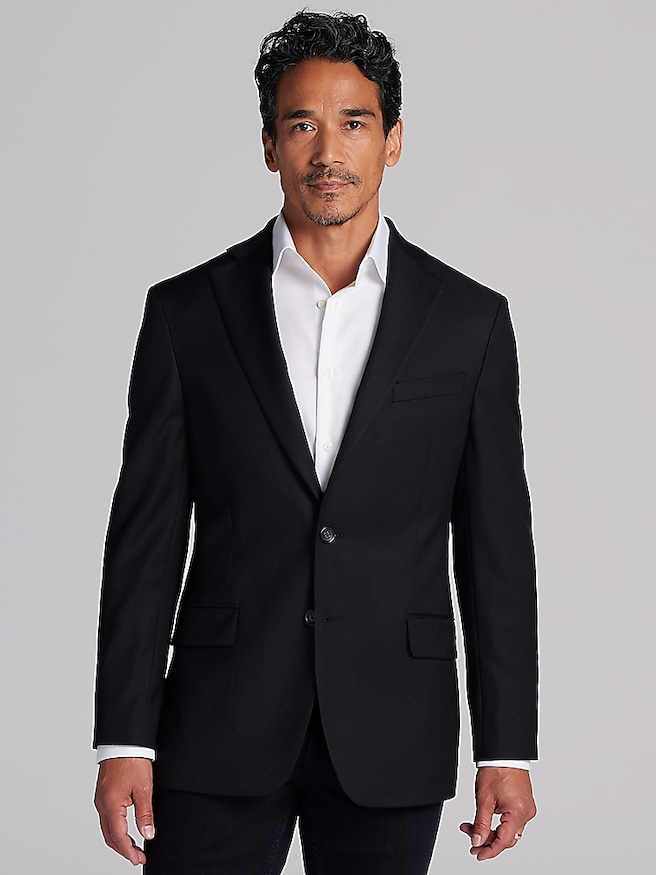
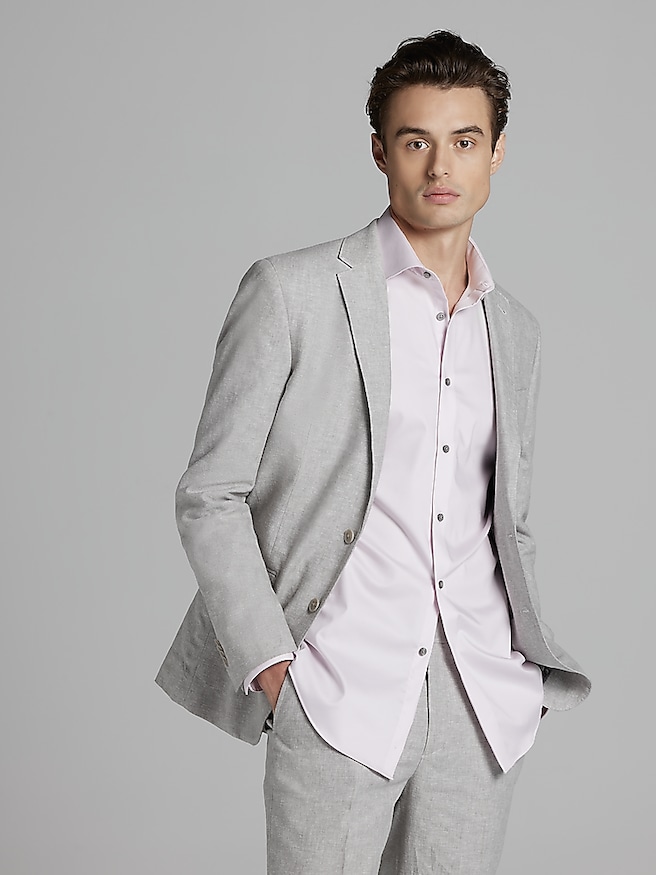
Customizable blazers are tailored jackets that allow personal choices in appearance and fit, with options that may include fabric, lapels, buttons, lining, pockets, and measurements. The extent of customization depends on how a jacket is made: made-to-measure tailoring adjusts an existing pattern to individual measurements, while personalization can also involve selecting design details or altering a finished jacket. These distinctions matter because a distinctive lining and a precisely adjusted waist accomplish different things, even when both contribute to a more personal result. A blazer is generally designed to work independently of matching trousers, making it a versatile foundation for business attire, dressy gatherings, and everyday outfits that need a little more structure. Fabric establishes much of its character. Wool can provide a smooth drape, natural resilience, and a polished surface, while cotton often creates a more relaxed appearance. Linen brings visible texture and characteristic creasing, and blended fabrics can balance softness, shape retention, and ease of care according to their composition. A tightly woven solid fabric tends to look restrained and formal; a textured weave or subtle check adds visual interest without needing a bold color. Navy, charcoal, and medium blue can coordinate with several trouser colors, while earthy shades offer another direction for wardrobes built around chinos and textured shirts. Personal details shape the overall impression just as clearly. Notch lapels usually feel versatile and understated, while peak lapels create a stronger, more pronounced outline. Patch pockets lend a relaxed character, whereas flap or welt pockets can contribute to a cleaner, dressier appearance. Tonal buttons keep the front quiet; contrasting buttons make that same silhouette more noticeable. A patterned lining can remain mostly hidden until the jacket opens or comes off, adding individuality without dominating the outfit. The most cohesive combinations give these details a shared purpose rather than asking every feature to stand out at once.
Fit determines whether those choices look intentional when the blazer is actually worn. A jacket can look sharp on a hanger yet pull across the back during a presentation or bunch at the collar when seated at dinner. Good shoulder alignment gives the garment a stable foundation, with the shoulder line following the body rather than extending conspicuously beyond it or pressing into the upper arm. The collar should sit close to the shirt collar, and the chest should lie smoothly when the jacket is buttoned, without pronounced diagonal pulling. Some shaping through the waist creates definition, but enough room through the torso allows comfortable breathing and ordinary movement. Sleeve length works together with shirt sleeve length, often leaving a small amount of cuff visible, while sleeve width should accommodate the arm without looking either tight or oversized. Jacket length also affects balance: a cropped silhouette and a longer cut create different proportions, so the right result depends on height, torso length, and personal preference rather than a single fashionable measurement. Customizable blazers can be especially useful for someone whose shoulders, chest, and waist do not align neatly with standard sizing. They also suit people who have a clear idea of how they want to look at work, at a wedding reception, or on an evening out. For a client meeting, a softly textured navy blazer with gray trousers and a pale shirt can look composed without resembling a matching suit. With chinos and a knit polo, a less structured jacket creates a more relaxed outfit while preserving a defined silhouette. Looking through Stylish Blazers can help clarify preferences for proportions, texture, and overall character before settling on personalized details. Shoes, belts, and shirts then reinforce that direction, keeping the finished outfit consistent with the occasion rather than making the jacket do all the work.
Construction and care help preserve the qualities that make a personalized blazer worth wearing repeatedly. Structure can range from a more defined chest and shoulder to a softer build with less internal reinforcement, and that difference affects how the jacket feels as much as how it looks. Lining influences the interior finish and how easily the blazer slides over a shirt, while vents give the back room to move and help the jacket settle when walking or sitting. Durability depends on the combination of fabric, construction, fit, and treatment; a substantial cloth is not automatically hard-wearing, and a lightweight cloth is not automatically fragile. Smooth seams, secure buttons, neatly finished buttonholes, and fabric that hangs evenly are useful signs of careful workmanship. A fit that allows normal movement also reduces unnecessary strain across seams and fastening points. Care should follow the garment label and the needs of its materials, including any special treatment required by linings or decorative details. Between cleanings, a broad, shaped hanger supports the shoulders, and an uncrowded closet helps prevent persistent compression and creasing. Emptying pockets after wear keeps keys, phones, and wallets from weighing down the fabric or distorting pocket openings. A garment brush suitable for the cloth can remove surface dust, while stains are best addressed promptly with treatment appropriate to the fabric rather than aggressive rubbing. Professional cleaning or pressing may be appropriate when the label calls for it, especially for tailored construction that needs to retain its shape. For a graduation, career milestone, or personal celebration, a customizable blazer can also make a thoughtful gift when the recipient participates in the fit and design decisions. That involvement matters: the most successful personalized jacket reflects the wearer's routines, proportions, and taste. A discreet lining, a familiar color, or a comfortable cut can carry more lasting significance than an elaborate detail chosen simply to attract attention.