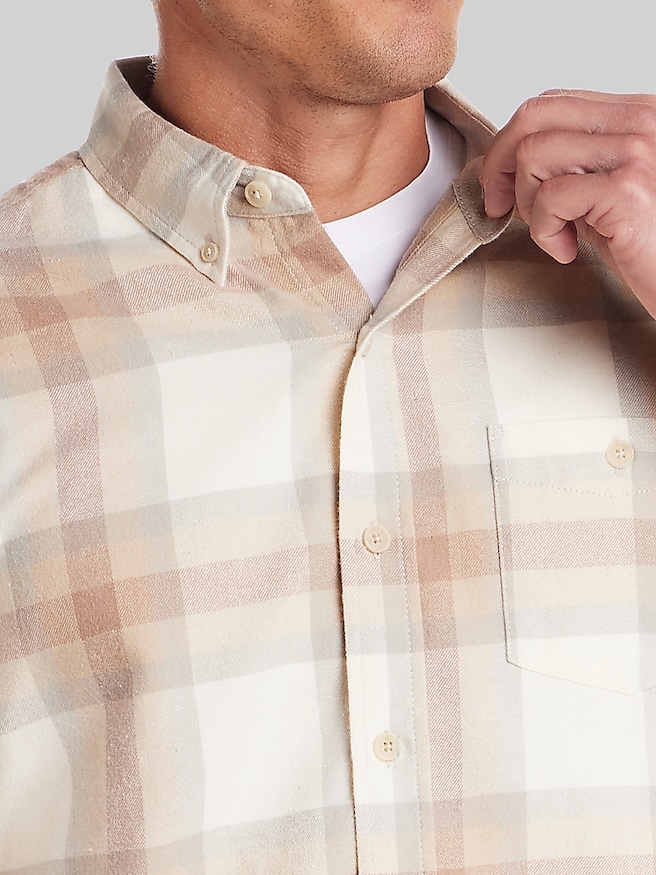
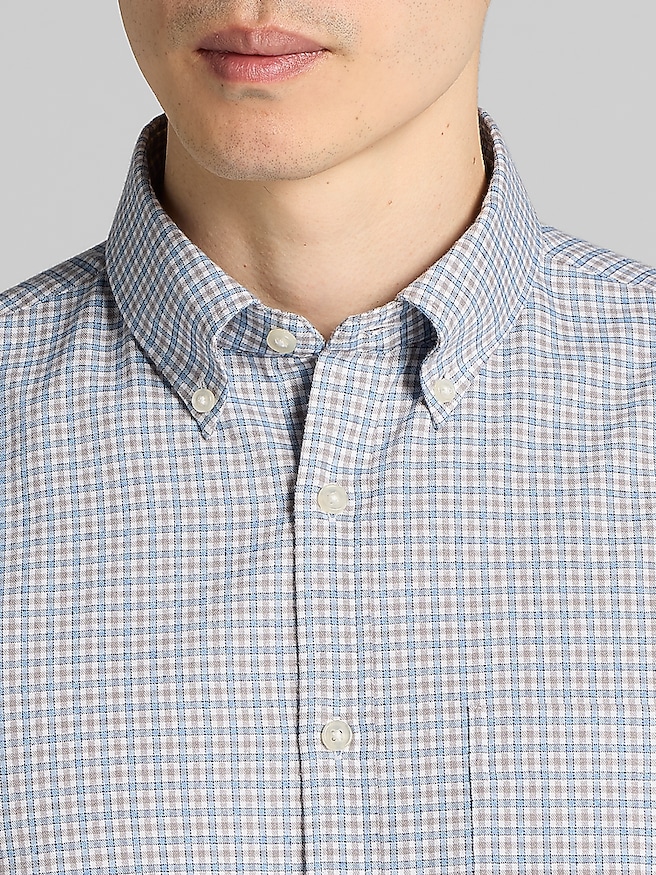
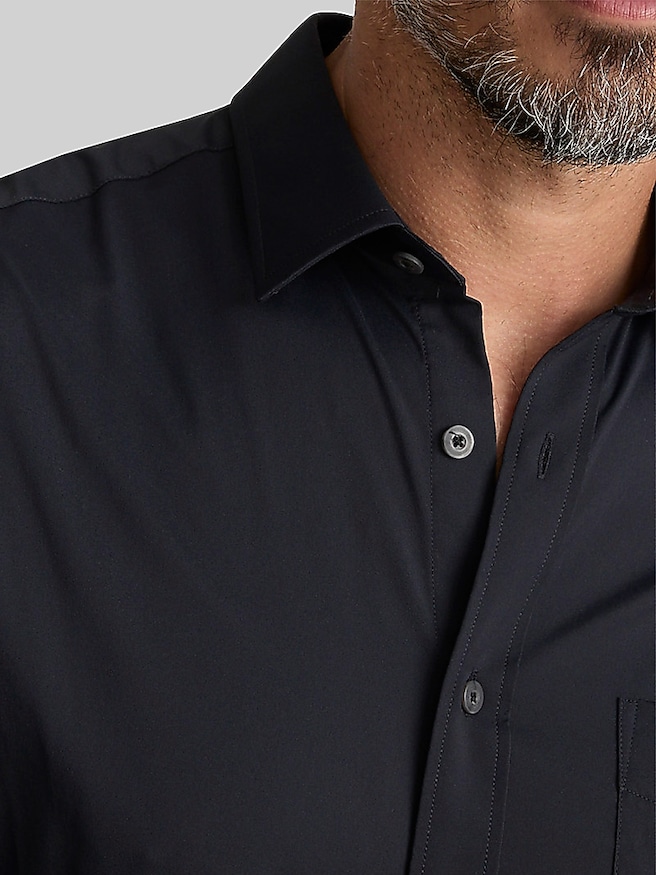
Cozy flannel shirts for men bring together a soft feel, comfortable coverage, and the familiar structure of a button-front shirt. Their appeal starts with the fabric: flannel is a woven material, often made from cotton, wool, or a blend of fibers, with a surface that may be brushed to lift fine fibers and create a gentle, fuzzy texture. That finish gives a shirt its inviting feel against the skin and helps hold a little warmth without necessarily requiring a bulky layer. Plaid is closely associated with flannel, but the two are not interchangeable. Plaid describes a pattern, while flannel describes the fabric; solid colors and subtle checks can offer the same softness as a bold, traditional plaid. Cotton flannel tends to feel familiar and comfortable for everyday wear, whether the day involves working at a desk, running errands, or settling into a favorite chair with a book. Wool flannel can provide warmth and moisture management, though its feel and care requirements depend on the fabric and construction. Blended fabrics may contribute qualities such as wrinkle resistance or improved shape retention, so the fiber content matters as much as the surface texture. Fabric weight makes a noticeable difference, too. A lighter flannel can sit comfortably beneath a sweater, while a substantial version has more body and can work as a casual outer layer over a T-shirt. Thickness alone does not determine comfort: a dense weave, a brushed interior, and the room available for movement all influence how a shirt feels throughout the day. Lined styles add another layer of insulation, but they also take up more space beneath a jacket. For a morning dog walk followed by time indoors, a midweight shirt offers a different balance than a thick, lined overshirt intended primarily for outdoor wear. The best match comes from the way the fabric, weight, and construction suit the routine, rather than from softness alone.
Fit gives a flannel shirt much of its versatility. A closer cut creates a neater outline beneath a casual jacket, while a regular or relaxed shape leaves more room for an undershirt and comfortable movement through the chest and back. The shoulder seams, sleeve length, and button placket are useful details to consider together. A shirt can feel roomy at the waist yet still pull across the upper back when reaching for a steering wheel, and fabric that gaps between the chest buttons can indicate that more room is needed. At the other extreme, excess fabric through the sleeves may bunch beneath a coat and make layering less comfortable. A good everyday fit allows natural movement without making the shirt feel oversized unless that is the intended look. Hem shape also affects how the shirt wears. A shorter, straighter hem often looks balanced untucked with jeans, while a longer curved hem provides more coverage and can stay tucked into chinos more easily. For a casual office, a muted check with dark trousers and clean leather footwear keeps the texture approachable without looking overly rugged. For a relaxed afternoon, an open flannel over a plain knit shirt pairs naturally with denim and boots or simple sneakers. Color can make these combinations easier to repeat: navy, charcoal, olive, and brown tend to work comfortably alongside familiar wardrobe basics, while a brighter plaid can become the focal point of an otherwise understated outfit. Pattern scale matters as well. Small checks read more quietly, while broad blocks of color create a stronger visual presence. The everyday appeal of men's flannel shirts for cool weather comes from this balance of texture and practicality. A collar adds definition, adjustable cuffs help manage sleeve fit, and a chest pocket can hold a small everyday essential without changing the shirt's relaxed character. These details make flannel useful for men whose days move between indoor comfort and casual time outside.
Lasting comfort depends on both construction and care. Even stitching, neatly finished seams, secure buttons, and cleanly sewn buttonholes are practical signs to consider when comparing flannel shirts. A softly brushed surface should not be confused with delicate construction, but repeated friction can gradually affect the finish, particularly where a bag strap crosses the shoulder or where sleeves rub against a desk. Some pilling is possible with brushed fabrics, and its extent depends on the fibers, weave, finishing, and use. Care instructions provide the most reliable direction because cotton, wool, blends, and lined fabrics can require different treatment. For shirts labeled machine washable, a gentle cycle and washing with similar colors can help preserve their appearance. Excessive dryer heat may contribute to shrinkage, particularly in cotton fabrics, and can leave a previously comfortable shirt feeling shorter through the sleeves or tighter across the body. Following the recommended drying method helps protect the intended fit. Wool-containing shirts may call for more specialized care, and any lining should be considered along with the outer fabric. Turning a shirt inside out before washing can help reduce surface abrasion, while prompt attention to a loose button or a small seam opening can prevent a minor repair from becoming a larger problem. Flannel also makes a thoughtful gift for a father, brother, partner, friend, or anyone who appreciates useful clothing with a softer feel. Familiar colors, a preferred fit, and the recipient's usual layering habits are more useful clues than an eye-catching pattern alone. Someone who wears shirts tucked into trousers may value a different length than someone who prefers an open layer over a T-shirt. Easy-care fabric can be especially welcome for a busy routine. A well-chosen flannel shirt earns its place through repeat wear: comfortable during a quiet evening, presentable enough for a casual gathering, and adaptable enough to become a familiar part of getting dressed.