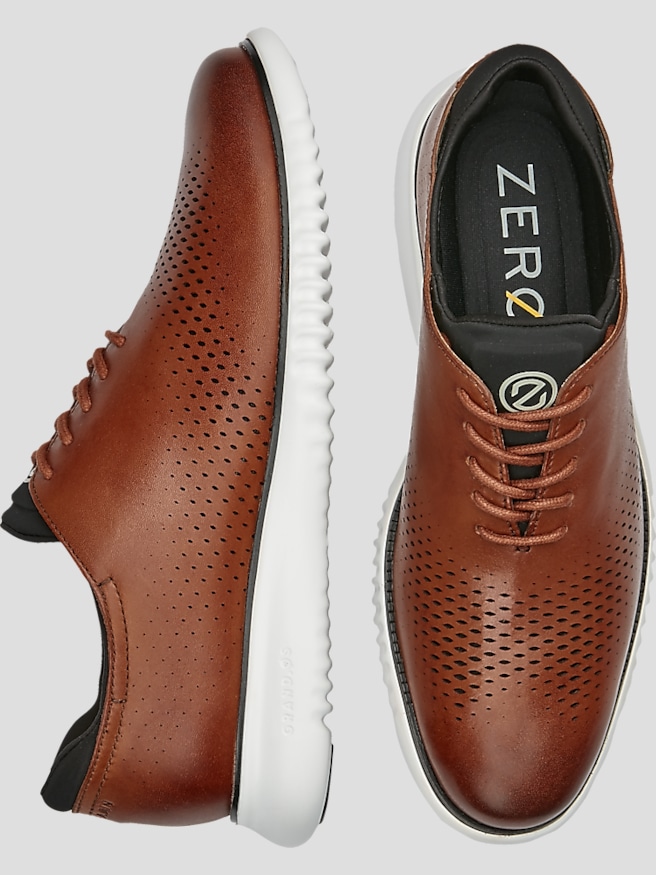
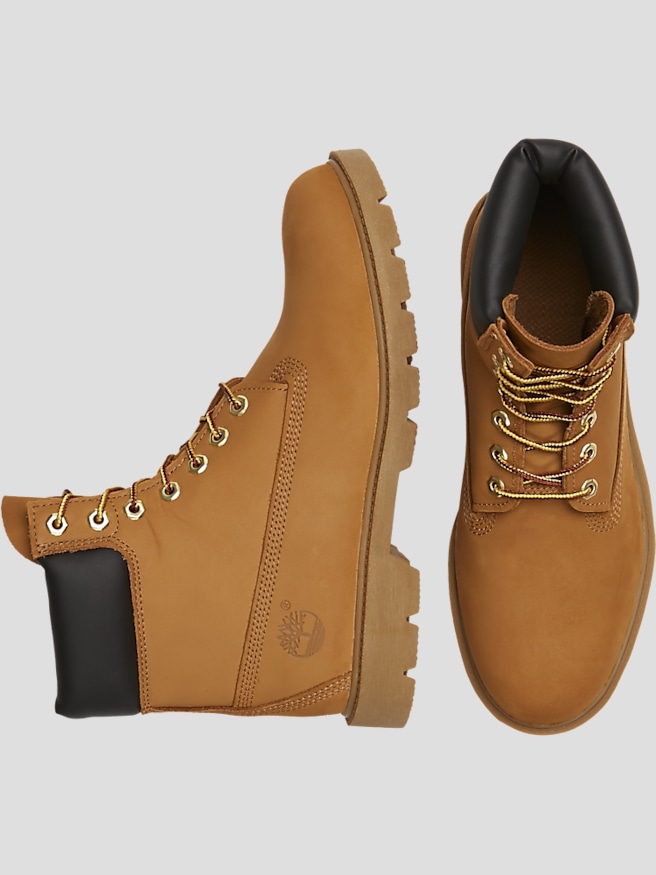
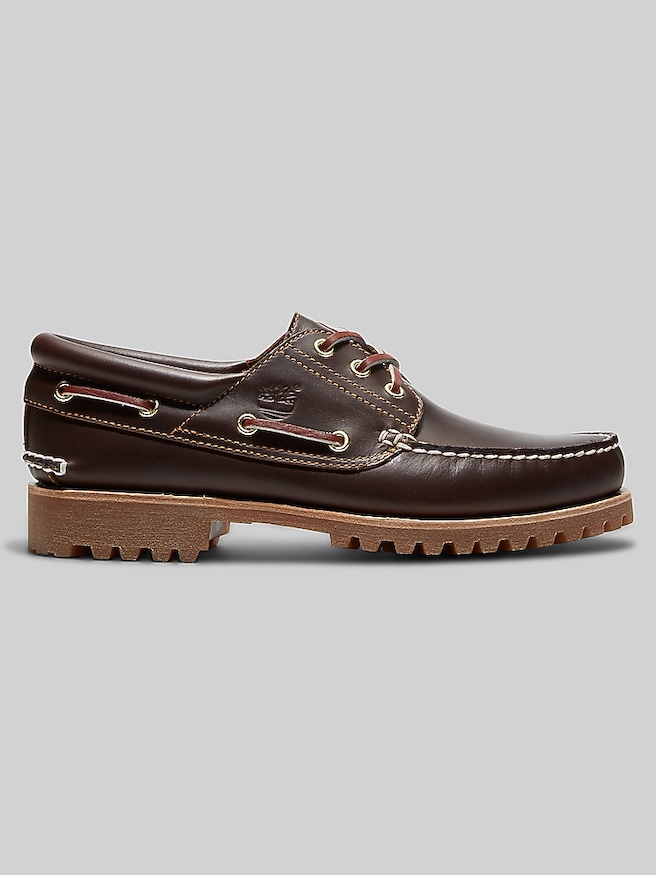
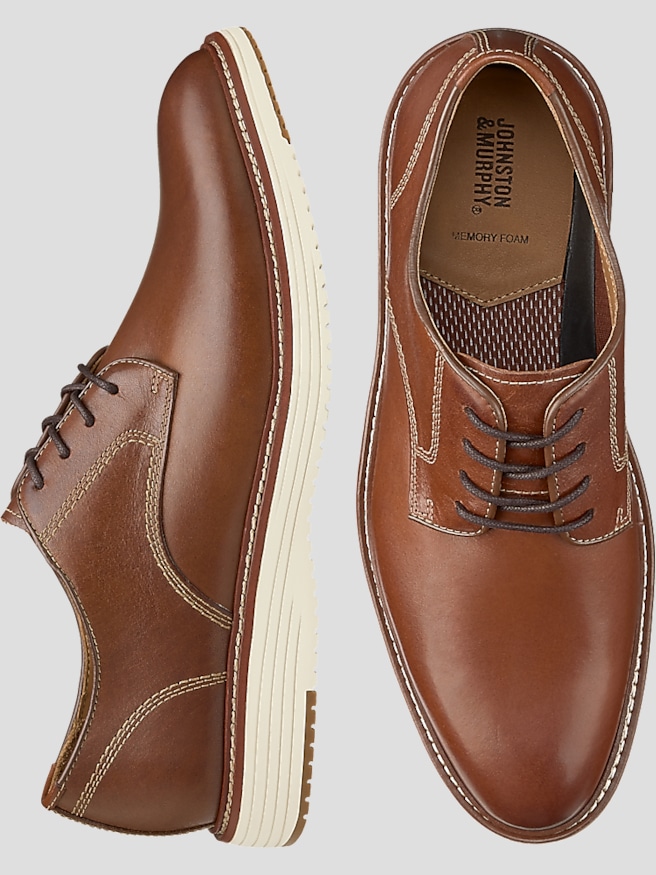
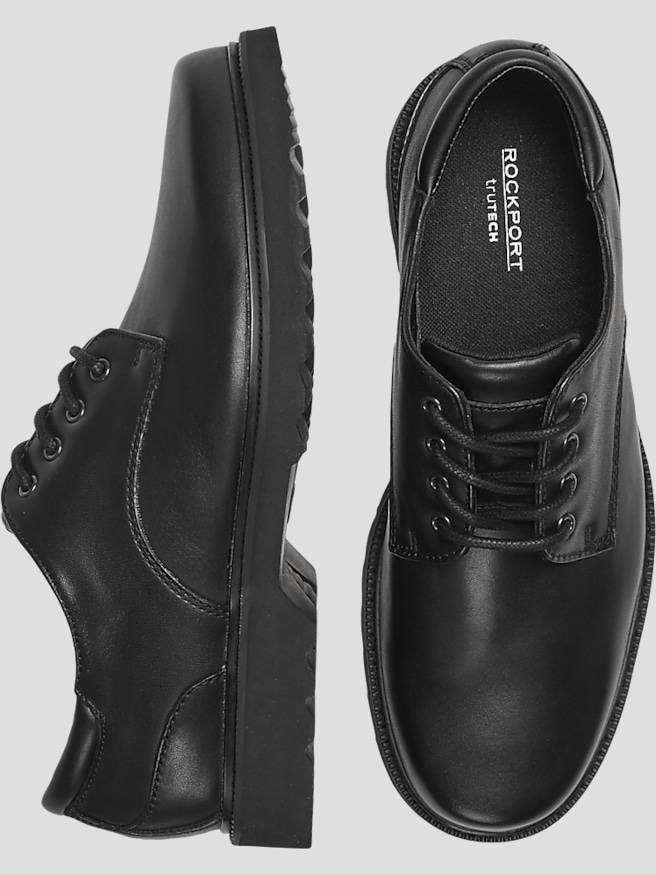
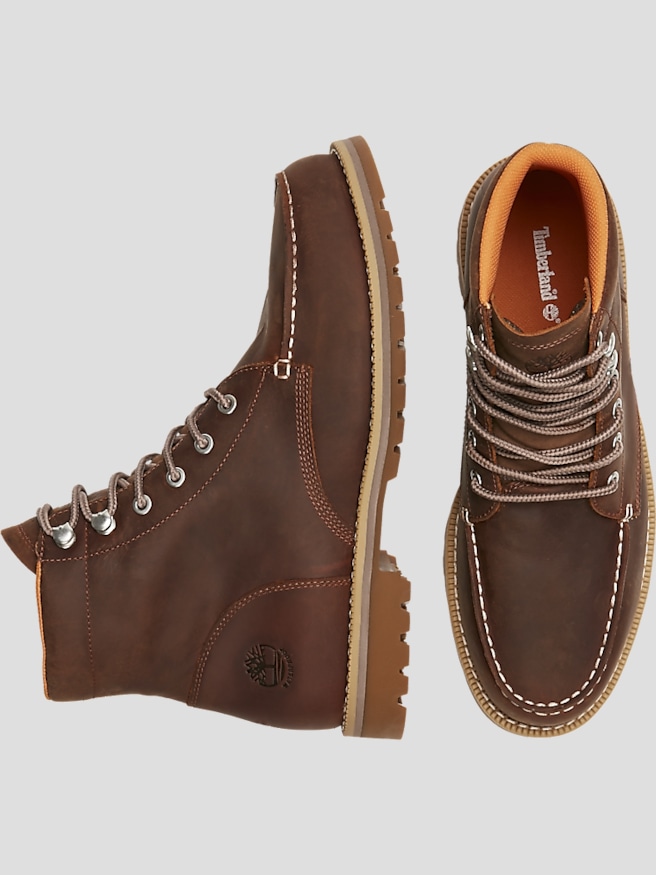
Cow leather shoes are a dependable choice for men who want footwear with structure, versatility, and a finish that grows more distinctive with wear. Made from cattle hide, cow leather is generally thicker and tougher than calfskin, which helps it handle the scuffs, changing temperatures, and steady use that come with an active wardrobe. It is used across a wide range of silhouettes, from polished lace-up dress shoes and streamlined Oxfords to loafers, boots, and relaxed slip-on styles. Full-grain leather retains more of the hide’s natural surface and is valued for its strength, character, and ability to develop a rich patina, while top-grain leather is typically refined for a smoother, more uniform appearance. Some cow leather shoes feature textured or embossed finishes that add visual interest, including patterns inspired by exotic skins, while hair-on-hide options preserve a natural cowhair pattern for a more distinctive casual look. With prices commonly ranging from about $130 to $350, cow leather shoes can serve as an everyday investment or a thoughtful gift for a man building a more complete wardrobe. A well-made pair can move easily from the office to dinner, pair with tailored trousers or dark denim, and provide a grounded finishing touch when the weather turns cooler. For men who appreciate clothing that becomes more personal over time, the gradual break-in is part of the appeal: the leather starts with a firmer feel, then softens and follows the shape of the foot through regular wear.
Choosing the right pair begins with considering where and how it will be worn. A smooth, dark finish tends to suit formal occasions, professional settings, and tailored suiting, while a lighter brown, distressed, or visibly textured finish can feel more at home with chinos, cords, jeans, or casual separates. Cow leather holds its shape well, making it especially useful for men who spend long days on their feet or prefer a shoe that looks composed after repeated wear. At the same time, leather is a natural material, so fit matters from the first try-on. Look for a secure heel, comfortable room across the toes, and enough support through the arch without excessive pressure at the instep. The shoe should feel comfortably snug rather than loose, since leather can relax as it warms and molds to the foot. Wearing the same pair with the socks intended for regular use is a small step that can prevent an uncomfortable surprise later. During the cooler months, cow leather shoes also work naturally with heavier trousers, wool layers, and textured outerwear, creating a balanced look without making the outfit feel overly formal. They make a particularly practical gift for a partner, father, brother, or graduate beginning a new job, since a versatile leather shoe can support daily routines as well as special occasions. Men who prefer a softer first impression may also appreciate browsing Soft Leather Shoes while comparing finishes and construction.
Proper care helps cow leather shoes keep their shape and appearance through the seasons. Start by removing surface dust with a clean horsehair brush, paying attention to the welt, seams, and areas around the heel where grit tends to collect. For a deeper clean, use a leather cleaner made for the shoe’s finish and apply it sparingly with a soft cloth; too much moisture or product can darken leather unevenly. Once the surface is clean and dry, a conditioner can help replenish moisture and keep the material from becoming brittle, while a matching or neutral cream polish can refresh color and add a restrained sheen. Wax is useful when a sharper shine is desired, particularly on formal shoes, though it should be applied in thin layers rather than built up heavily. Allow wet shoes to dry naturally away from direct heat, and use shoe trees when possible to help absorb moisture and preserve the original lines. Rotating between pairs gives each one time to air out and can significantly extend wear. A few marks are not necessarily flaws; on quality cow leather, small creases and softened edges often become part of the shoe’s character, much like the worn corners of a favorite leather bag. With regular brushing, sensible storage, and occasional conditioning, cow leather shoes can remain comfortable, presentable, and adaptable from early fall through the colder stretch of the season and well beyond.