Cotton crew socks bring a familiar softness to one of the most frequently worn parts of a man's wardrobe. Their defining feature is the crew height, which generally reaches around the middle of the calf, though the exact rise varies with the design and the wearer's proportions. That extra coverage makes them a practical companion to full-length pants, whether the day involves office meetings, a cross-country flight, or an afternoon spent walking around town. Under straight-leg chinos, a crew sock helps keep a bare ankle from appearing when sitting down or crossing a leg. With jeans and leather sneakers, it provides a comfortable layer between the foot and the shoe while leaving room for a little color or texture at the cuff. Cotton is valued for its soft feel and ability to absorb moisture, but the complete fabric composition matters as much as the cotton content. Many cotton socks incorporate fibers such as polyester or nylon for added strength, along with a small amount of stretch fiber to help the fabric follow the foot and recover its shape. The result depends on the blend, yarn, and knit construction rather than a single percentage on the label. A smooth, lightweight knit can sit neatly inside close-fitting shoes, while a thicker knit may feel more substantial underfoot and work better with footwear that has additional space. Neither construction is automatically the better choice; the useful distinction is how the sock feels inside the shoes worn most often. Even a soft pair can feel cramped if its thickness crowds the toes or presses across the top of the foot. For everyday wear, the best match is a cotton crew sock that lies smoothly against the skin, leaves adequate room in the shoe, and offers enough coverage to stay comfortably in place through the normal movements of the day.
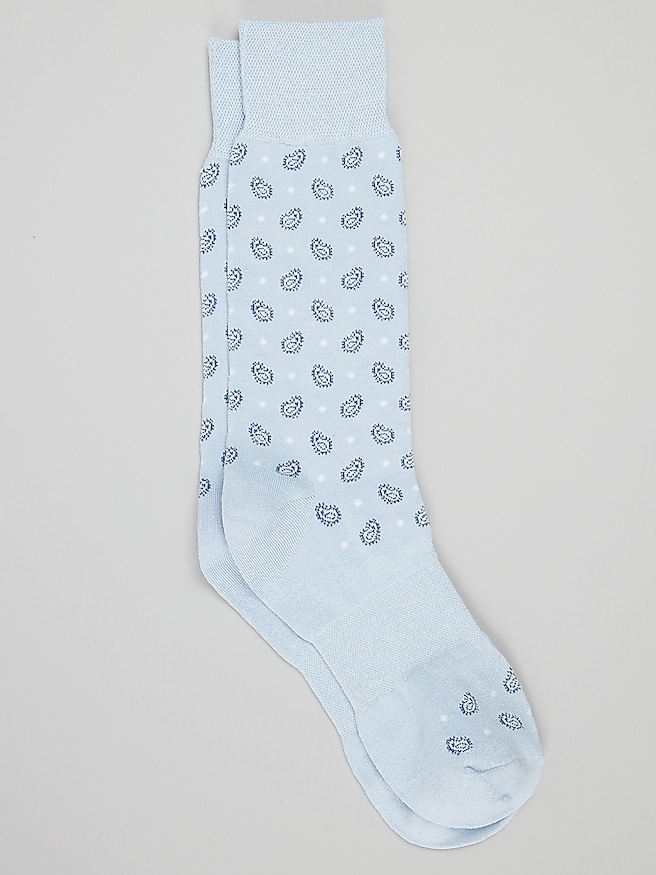
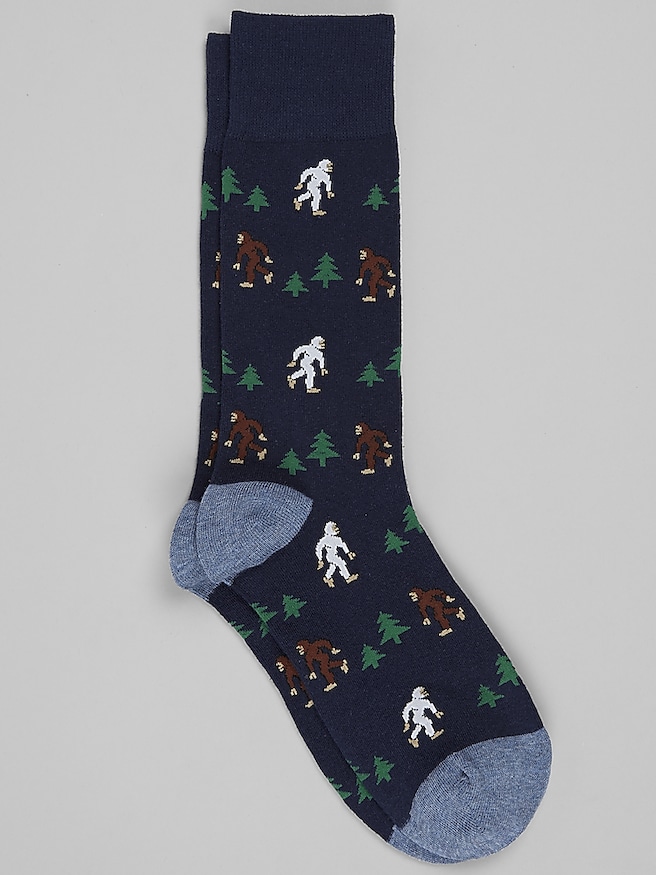
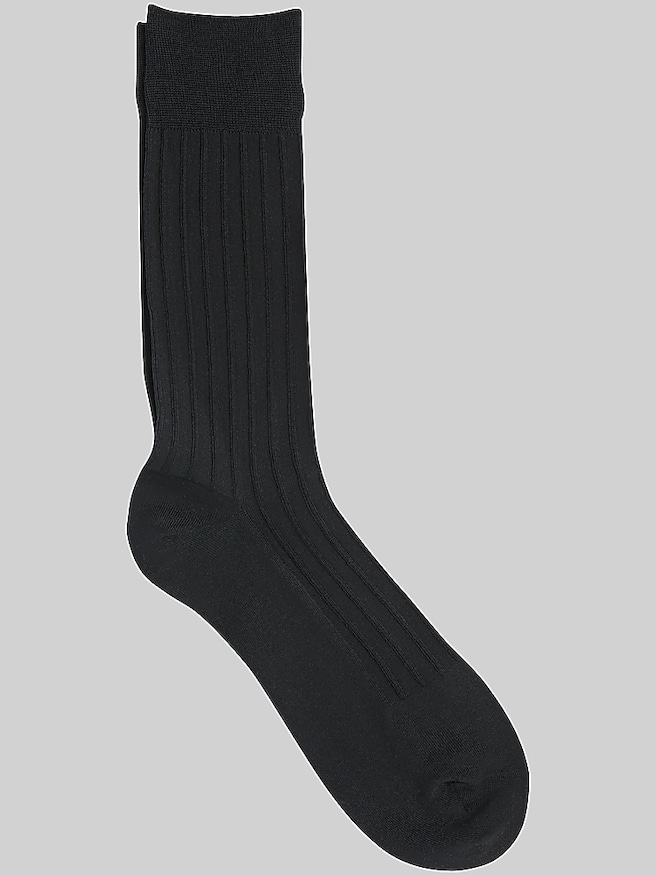
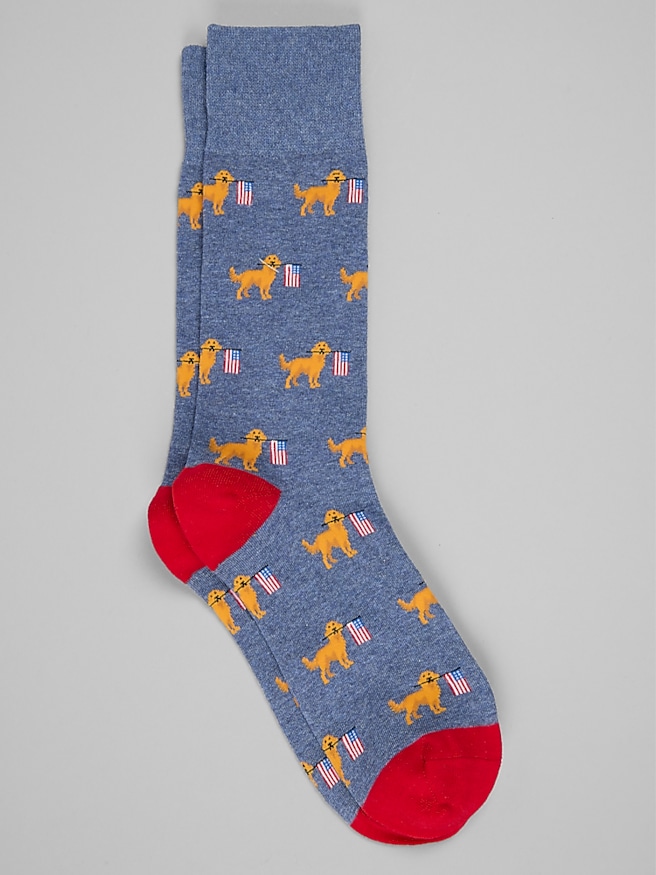
Color and texture give cotton crew socks a role beyond basic coverage. Black, charcoal, and navy create an understated foundation with dark trousers, while shades close to the color of the pants help maintain a continuous line when the ankle becomes visible. A slightly lighter gray can introduce contrast without drawing much attention, and white crew socks give sneakers a distinctly casual look. Small stripes, subtle geometric patterns, and textured ribs offer another way to add personality without competing with the rest of an outfit. With patterned pants or a checked shirt, a quieter sock can keep the combination from feeling crowded; with simple jeans and a solid top, a more noticeable sock can provide the detail that makes the outfit feel intentional. The knit also affects how polished the combination appears. Finer textures generally sit more discreetly beneath tailored pants, while pronounced ribbing has an easygoing character that pairs naturally with denim, chinos, and casual footwear. Fit remains important regardless of the color. Sock sizing should correspond to the wearer's foot and the manufacturer's size range, with the heel pocket resting around the heel rather than pulling underneath it or riding up toward the ankle. Fabric bunching beneath the arch can create an uncomfortable fold, especially during a long walk, while excessive tension through the toes can make a shoe feel smaller than it is. A cuff should feel secure without an unnecessarily tight grip, and a toe seam should not become a noticeable pressure point inside the shoe. These small details matter to commuters, travelers, students, and anyone whose schedule includes plenty of time on their feet. Cotton crew socks can also make a thoughtful, practical gift for a father, brother, partner, or friend, particularly when the recipient's shoe size, preferred colors, and usual footwear are known. A familiar neutral shade and a comfortable everyday weight are often easier to work into an established wardrobe than an unfamiliar pattern or unusually bulky knit.
The way cotton crew socks are made and cared for has a noticeable influence on how they feel after repeated wear. The heel, toe, and underside of the foot typically experience the most friction, so reinforced areas, where included, can help support durability at those contact points. A neatly finished toe seam can reduce bulk, while a well-constructed heel helps the sock settle into place instead of twisting inside the shoe. Cushioning is another detail worth distinguishing from overall thickness: some constructions concentrate extra padding underfoot while keeping the top of the sock relatively light. That can feel comfortable for everyday walking, although thicker cushioning still needs enough space inside the footwear to avoid a compressed fit. Cotton's absorbency is useful in daily wear, but absorbed moisture can remain in the fabric, making specialized athletic constructions a separate consideration for demanding exercise or prolonged activity. For everyday pairs, fabric composition offers a helpful point of comparison with Cotton Blend Socks, particularly when softness, stretch recovery, and resistance to wear are priorities. Care should follow the instructions on the label, since cotton content, stretch fibers, dyes, and finishing details can call for different treatment. Washing with similar colors helps protect lighter shades, and avoiding unnecessary heat can help limit shrinkage and preserve elastic recovery. Turning socks inside out before washing can help expose the areas that collect perspiration and skin oils. Fastened zippers and rough hook-and-loop closures on other garments can snag knitted fabric, so keeping those surfaces away from socks helps prevent avoidable damage. Socks should be fully dry before being put away, and a gentle fold avoids leaving the cuff stretched around a tightly rolled bundle. Rotating between pairs also gives each one time to be washed and dried properly before its next wear. With attention to fabric, fit, construction, and routine care, cotton crew socks serve as a dependable foundation for outfits built around comfort and everyday use.