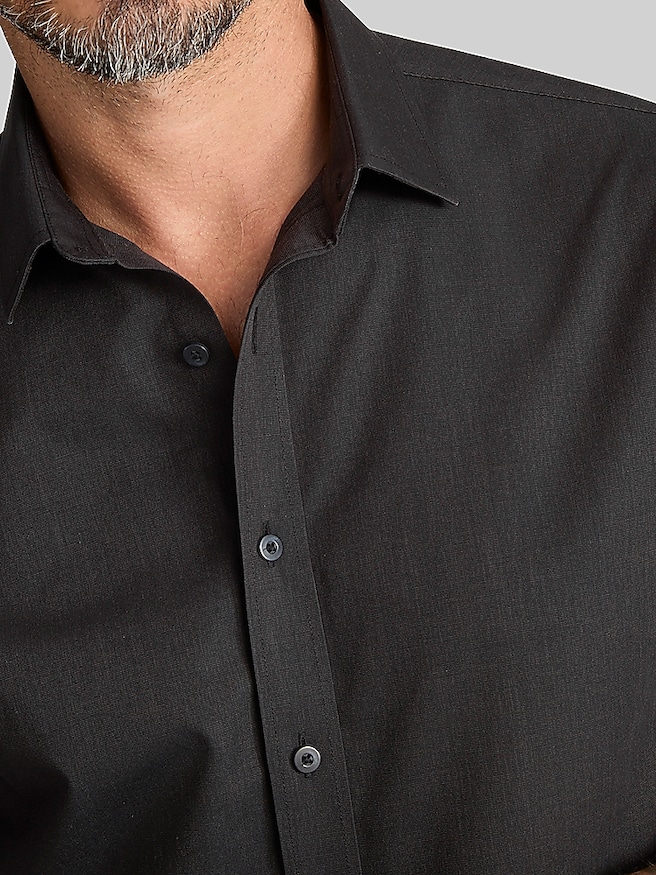
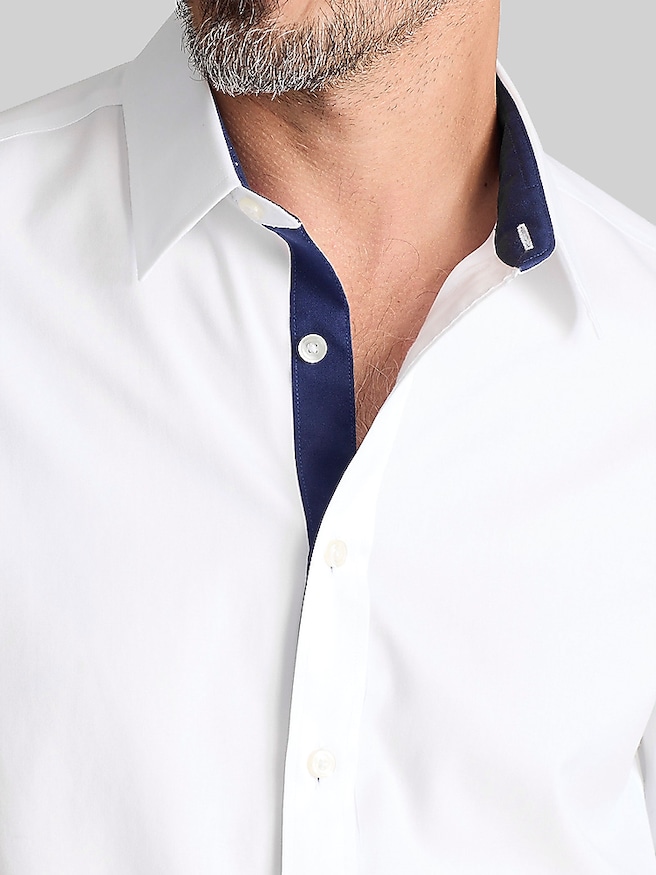
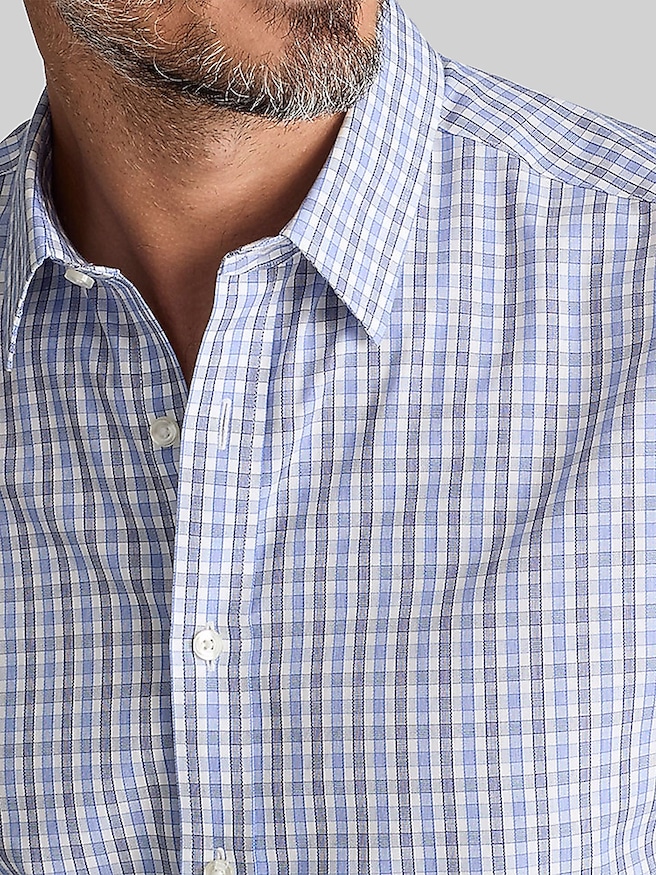
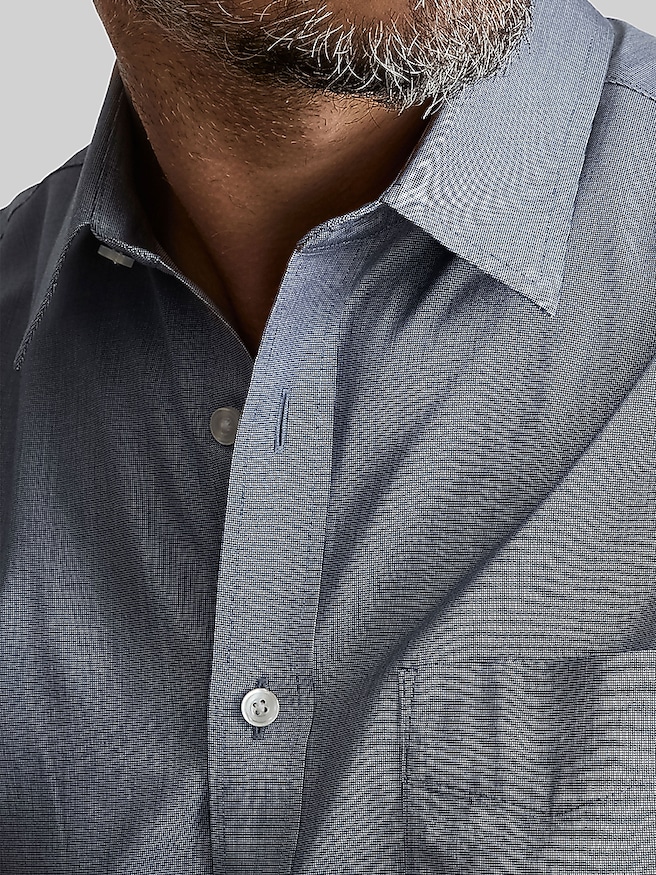
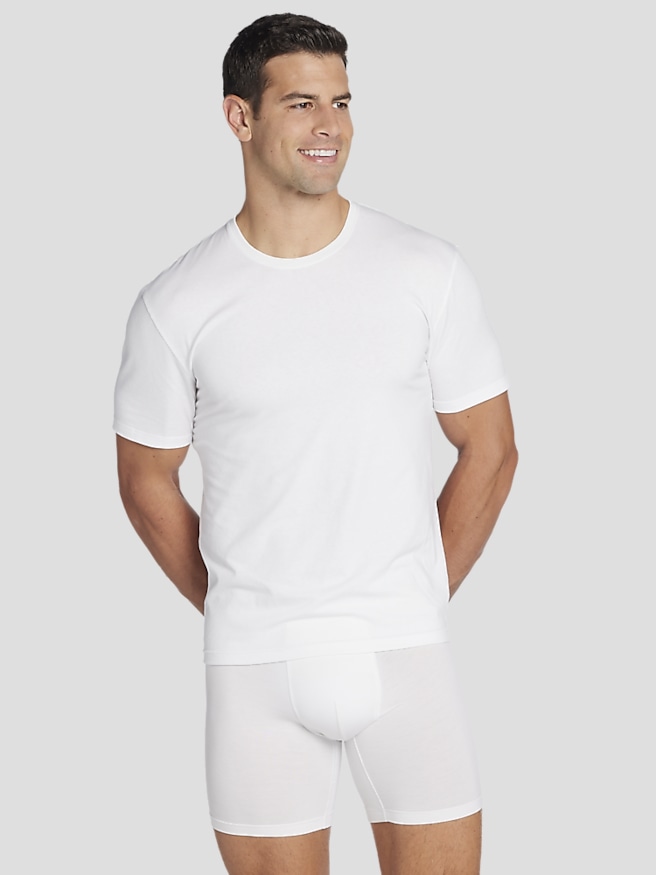
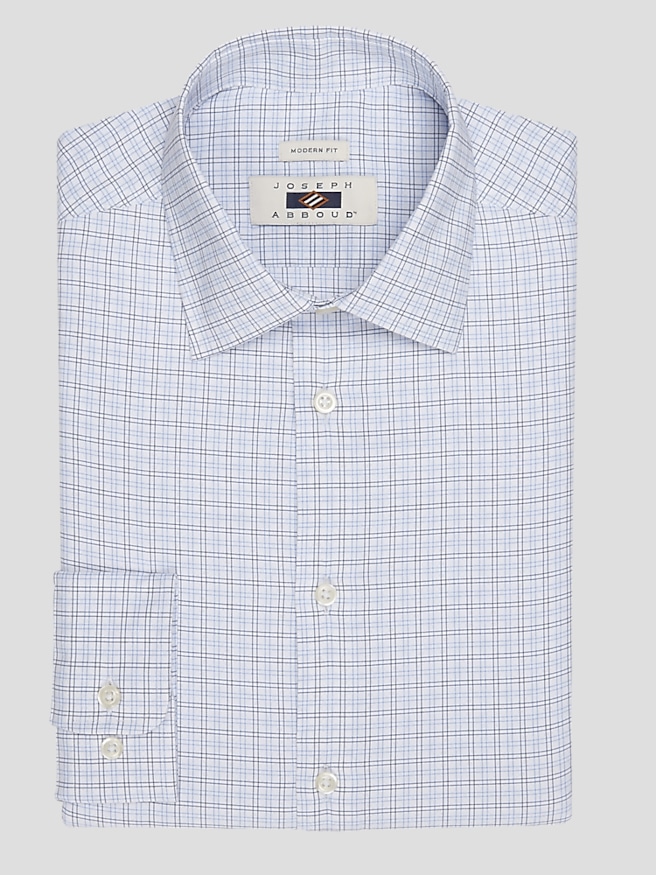
Cooling fabrics make warm-weather dressing more comfortable without requiring a complete change in personal style. When temperatures rise, the best materials help air move between the fabric and the skin, manage moisture, and dry with less lingering dampness. Linen is a classic choice because flax fibers create a naturally airy weave that feels light against the body and dries quickly in humid conditions. Its relaxed texture and softly rumpled appearance suit outdoor celebrations, destination events, daytime gatherings, and easygoing travel. Lightweight cotton is another dependable option, particularly when it is woven as voile, gauze, slub, or another open, breathable construction. Cotton feels soft and familiar, absorbs perspiration, and works well for everyday wear when comfort matters from the first morning commute through an evening spent outside. Chambray offers a similar advantage for anyone who likes the visual character of denim but wants a lighter, finer-woven fabric with more airflow. Rayon, modal, and Tencel can also be useful in warm-weather clothing because these plant-based or plant-derived fibers tend to have a fluid drape, smooth hand, and moisture-managing feel. The fabric’s weight, weave, finish, and fit all matter alongside the fiber itself. A loosely constructed fabric with room for air circulation will generally feel cooler than a dense version of the same material, while a relaxed silhouette can be more comfortable than a close-fitting garment on a hot day. Blended fabrics may combine softness, durability, wrinkle resistance, or stretch with a lightweight feel, so shoppers should consider how the garment will be worn, cared for, and packed as well as how it feels in the fitting room.
Choosing cooling fabric is especially helpful for people who spend long hours on their feet, travel between indoor and outdoor settings, attend warm-weather ceremonies, or prefer a polished appearance without a heavy, restrictive feel. Office commuters may appreciate breathable layers that remain presentable after a crowded train ride, a walk across a parking lot, or a meeting in a room that has not quite reached a comfortable temperature. Guests at outdoor weddings and formal events often benefit from lightweight construction, moisture absorption, and a fit that allows easy movement during photographs, dinner, and dancing. For formal occasions, a breathable shirt can be paired with a lightweight suit, unstructured jacket, or tailored trousers to create a refined outfit that does not feel overly layered. Explore Men's Cooling Fabric Formal Shirts for dressier options designed with warm-weather comfort in mind. Cooling fabrics can also make thoughtful gifts for a graduate beginning a first professional wardrobe, a frequent traveler, a groom or wedding party member, or anyone preparing for an event in a warm destination. When selecting a gift, consider the recipient’s usual dress code, preferred colors, collar and sleeve preferences, and whether easy care is important. Neutral shades tend to work across more outfits, while subtle texture can add visual interest without making the garment difficult to coordinate. A lightweight shirt or other breathable wardrobe staple is particularly practical for someone who attends business functions, enjoys outdoor entertaining, or travels between climates. It can be worn on its own when the weather is warm, layered under tailoring when an event calls for more structure, and used during the cooler months with sweaters, jackets, or coats.
Fabric care and construction are also important parts of a comfortable purchase. Linen and lightweight cotton may develop natural creases as they are worn; many people consider that relaxed texture part of their appeal, while others may prefer a blend or a fabric with wrinkle resistance for packing and frequent travel. Check the care instructions before purchasing, especially if the garment will be washed often or taken on the road. Air drying can help preserve the shape and feel of many lightweight fabrics, and hanging clothing promptly after washing may reduce the need for pressing. Fit deserves equal attention. A garment that is too close through the chest, waist, or arms can limit airflow regardless of how breathable the material is, while an excessively oversized cut may lose the clean appearance expected for work or formal occasions. Look for comfortable shoulder placement, enough room to move, and a hem that works with the intended trousers or shorts. Breathability does not always mean every synthetic fabric is uncomfortable: some polyester, nylon, and performance blends are engineered with moisture-wicking finishes, ventilation, or quick-drying properties and can be useful for active or travel-focused wear. Still, fabric density and finishing can vary widely, so pay attention to the garment description and the way the material feels rather than relying on the fiber name alone. The right cooling fabric should support the occasion, the wearer’s routine, and the level of care they are willing to provide. With breathable linen, airy cotton, light chambray, smooth rayon-family fibers, and thoughtfully designed blends in the mix, warm-weather clothing can remain comfortable and polished as the seasons shift from warmer days to cooler indoor and outdoor settings.