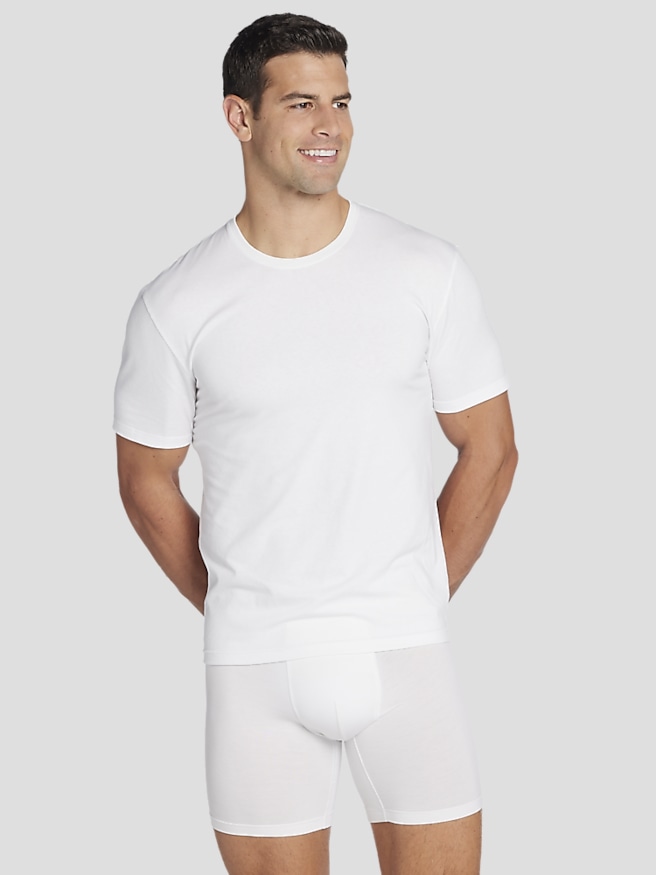
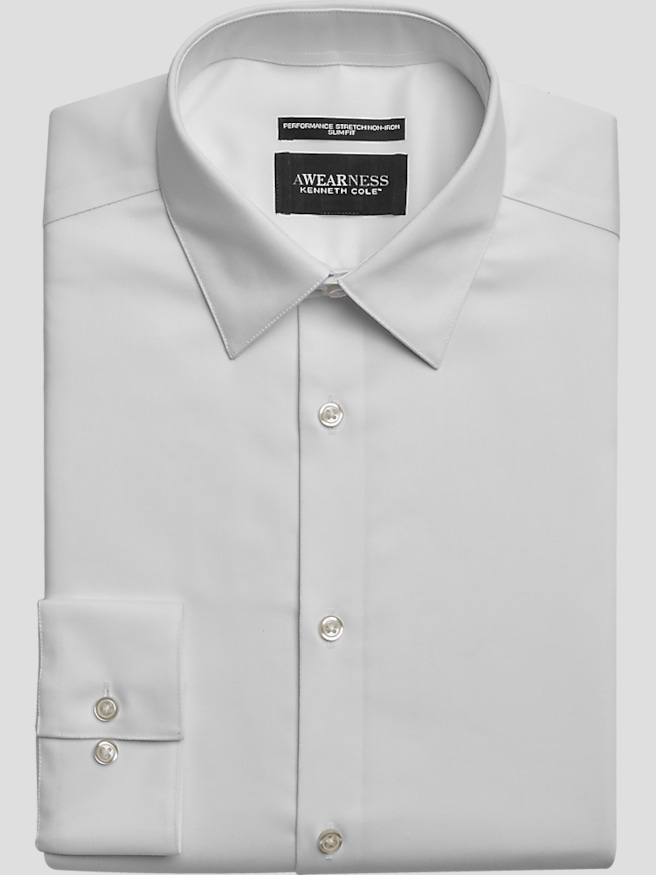
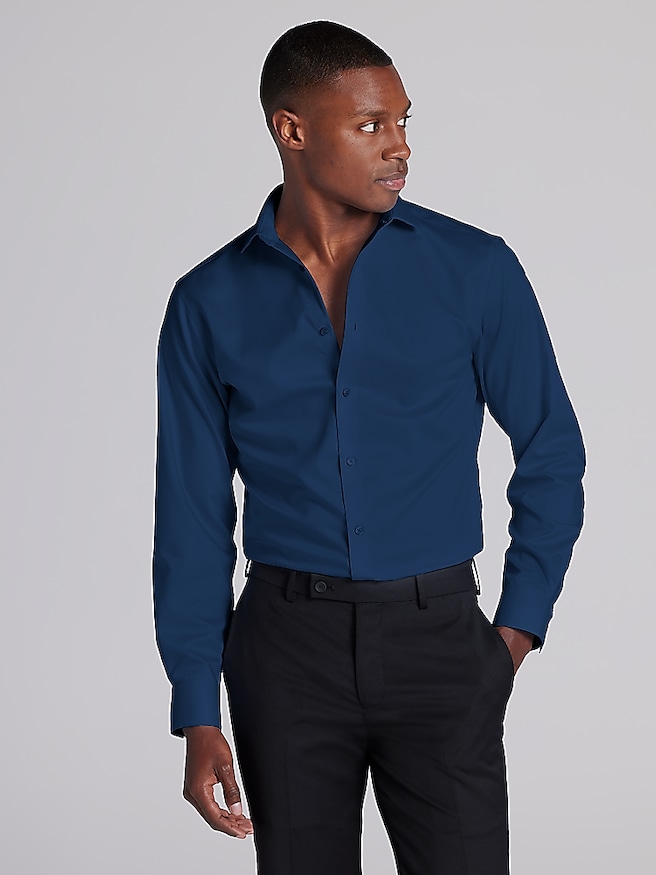
Men’s cooling undershirts for summer suits provide a light, comfortable layer between your skin and a dress shirt, helping formal clothing feel more manageable when the weather is warm or humidity is high. The right undershirt can wick moisture away from the body, improve airflow, and reduce the damp, clingy feeling that often develops during a commute, ceremony, reception, business meeting, or long evening in a tailored jacket. Look for lightweight fabrics such as modal, bamboo, micro-modal, polyester performance blends, or cotton mixed with stretch fibers. These materials are generally designed to dry faster than heavier 100% cotton and can help move perspiration toward the outer surface of the fabric, where it can evaporate more easily. A close fit is useful because excess material can bunch beneath a dress shirt, but the shirt should never feel restrictive across the chest, shoulders, or underarms. Stretch can make it easier to move, while a smooth, low-profile finish helps prevent visible outlines beneath a fitted shirt. Men who spend much of the day in suits may appreciate the added comfort of a cooling undershirt, particularly when moving between a warm sidewalk, a cool office, and a crowded train or event space. They can also be useful for wedding guests, groomsmen, professionals attending conferences, performers, travelers, and anyone who prefers an extra layer beneath formalwear without adding noticeable weight. For additional options designed around moisture management, explore Sweat-Proof Dress Undershirts For Summer Formalwear.
Neckline and color are especially important when an undershirt is worn with a summer suit and an open collar. A deep V-neck or high V-neck can stay concealed beneath a dress shirt when the top button is undone, preserving the clean, relaxed appearance of an unbuttoned collar. A crew neck may be more suitable when every button is fastened or when a tie covers the neckline, but it can show above the collar in a more casual, open-neck arrangement. Consider the cut of the shirt you plan to wear, since a neckline that works under a spread collar may not remain hidden beneath a narrower collar or a shirt made from lightweight fabric. Color also affects visibility. Bright white undershirts can create a noticeable block beneath pale blue, white, pink, or finely woven dress shirts, especially in direct sunlight. Gray, nude, beige, or other skin-toned shades often blend more naturally under light-colored clothing, while darker shades can work well beneath deeper shirt colors. The best choice depends on your complexion, the opacity of the dress shirt, and the lighting where the outfit will be worn. Pay attention to sleeve length as well. Short sleeves should end high enough to avoid showing beneath a dress shirt, yet provide enough coverage to absorb moisture around the underarm. Longer undershirts can help keep a shirt tucked in, but an overly long or loose hem may create extra bulk around the waist. Flat seams, tagless construction, and soft stretch binding can make a meaningful difference during a full day, particularly when a suit jacket keeps the fabric close to the skin. Someone shopping for a practical gift may find cooling undershirts useful for a recent graduate beginning a first office job, a partner who travels for work, a wedding party member, or a family member who regularly dresses formally.
When choosing men’s cooling undershirts for summer suits, consider how the garment will fit into the complete outfit rather than evaluating it on its own. Try to match the undershirt’s shape to the dress shirt and jacket: a slim undershirt pairs well with a tailored shirt, while a roomier cut may be more comfortable beneath a classic-fit shirt. Check the care instructions before purchasing several, since performance fabrics may call for cool washing, gentle cycles, or low heat to preserve stretch and moisture-wicking properties. Allowing the shirt to dry fully between wears helps maintain freshness, and rotating several undershirts can be more comfortable than relying on one throughout a busy week. A cooling undershirt will not eliminate perspiration in intense heat, but it can reduce the sensation of damp fabric and help a dress shirt remain more comfortable against the skin. It may also provide a modest barrier between the body and the shirt, which can be helpful when protecting delicate shirting from deodorant residue or everyday wear. For formal occasions, choose a neckline and color that remain discreet when sitting, standing, reaching, or removing a jacket. For daily office wear, prioritize durability, easy care, and a fit that stays tucked without constant adjustment. As the weather shifts from warm afternoons to cooler mornings and evenings, these undershirts can continue to serve as a versatile base layer beneath suits, sport coats, and dress shirts, offering light insulation without the heaviness of traditional thermal clothing.