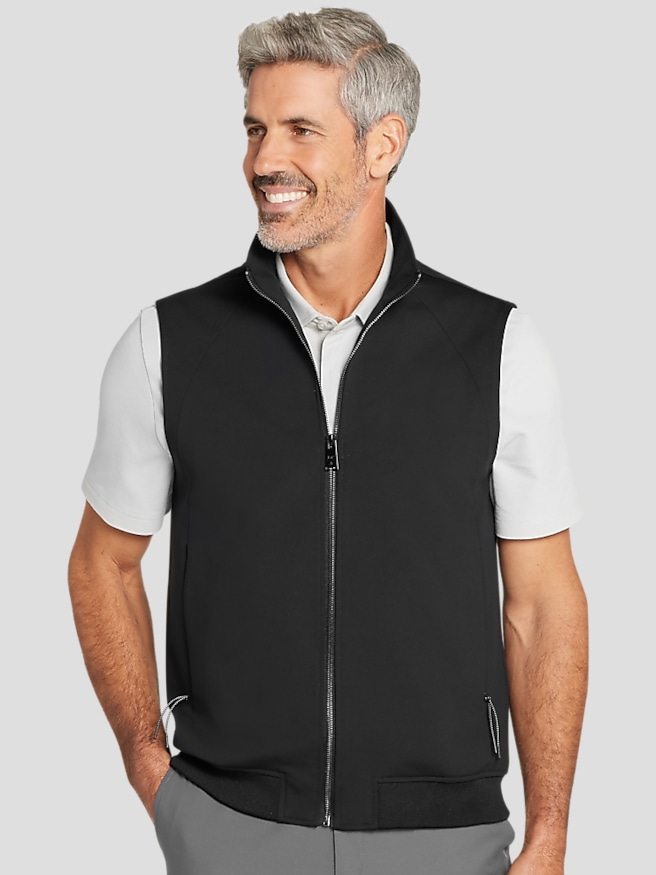
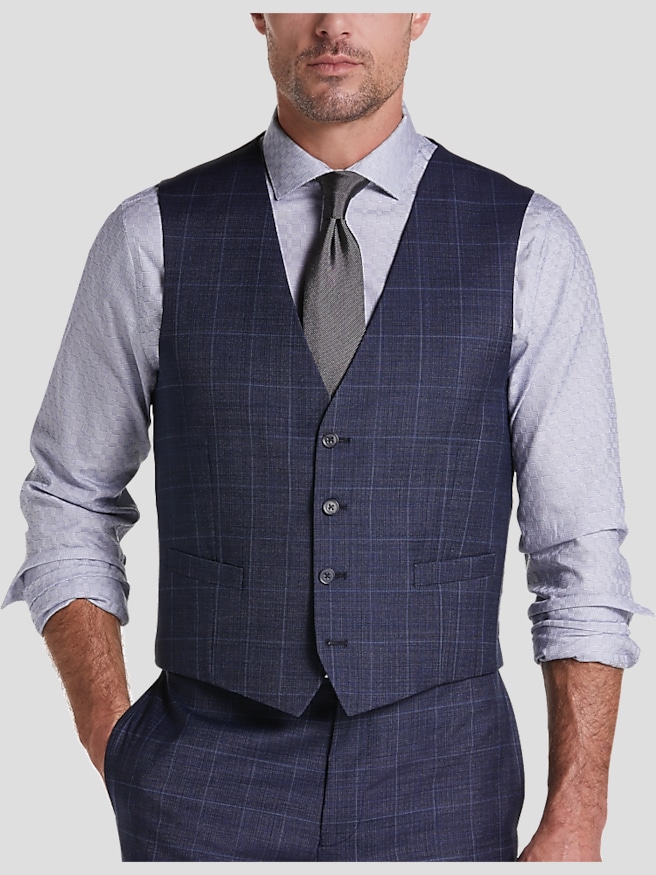
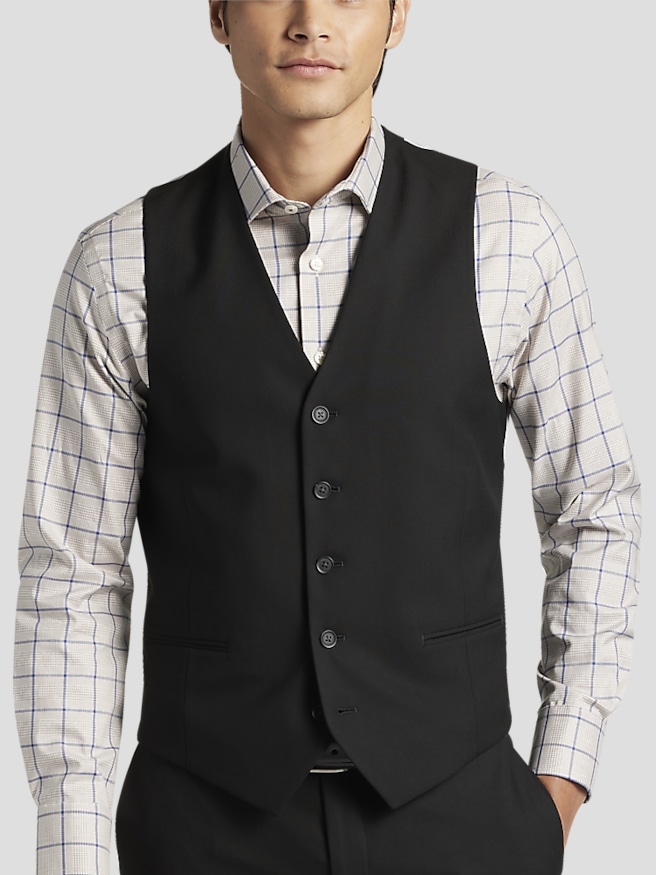
Cool men's vests bring personality to an outfit without needing a bold print or a full suit. A clean button front, a well-shaped neckline, and a fabric with a little visual depth can make a shirt-and-trousers combination feel considered rather than unfinished. The appeal is partly in the proportions: a vest defines the torso, keeps the shirt front looking orderly, and adds another layer of texture while leaving the sleeves visible. In this setting, “cool” describes the look and attitude of the garment. A dress vest is not a specialized cooling vest, and breathable fabric is not the same as an active cooling system. For everyday styling, the useful distinctions are construction, material, and how the vest works with the clothes underneath it. Smooth wool and wool-blend fabrics lend themselves to tailored outfits, while cotton, linen blends, and textured weaves can create a more relaxed impression. Fiber content alone does not determine comfort; the weight of the fabric, density of the weave, lining, and cut all play a part. A lined vest may slide neatly over a shirt, while a textured outer fabric can give a simple outfit more dimension. Navy, charcoal, and gray offer a quiet foundation for white or pale blue shirts, and brown or tan can complement earth-toned trousers and leather shoes. A subtle check or herringbone adds interest at close range without dominating the entire outfit. Buttons matter, too: low-contrast buttons keep the front understated, while more noticeable buttons give the vest a stronger identity. A single-breasted shape usually feels straightforward and versatile; a double-breasted front creates a broader, more formal impression. The strongest choice is not necessarily the most elaborate one, but the vest whose shape, finish, and details feel at home in the wearer's wardrobe.
Fit gives a vest much of its character. A close, comfortable line through the chest and waist looks polished, but fabric that pulls around the buttons or spreads into an X-shaped crease usually signals that the fit needs attention. The front should lie smoothly over the shirt, with enough room to sit through dinner, reach across a desk, or raise a glass without feeling restricted. Shoulder sections should rest flat rather than lift away from the body, and armholes should allow easy movement without exposing excessive shirt fabric at the sides. Length is especially important with tailored trousers: the front should generally cover the waistband so that a strip of shirt does not interrupt the outfit when standing naturally. Trouser rise affects that meeting point, which is why a vest can look balanced with one pair and too short with another. An adjustable back strap, when included, can refine the waist, but it cannot correct every issue with the chest, shoulders, or overall length. The back deserves attention when the vest will be worn without a jacket. A smooth lining-style back creates a traditional waistcoat effect, while a matching fabric back can give the garment a more self-contained look. Under a suit jacket, a relatively trim construction helps the layers settle cleanly rather than bunching at the sides. Worn on its own over a button-down shirt, a vest makes small details more visible, including sleeve length, collar shape, and the neatness of the waistband. For many traditional single-breasted dress vests, leaving the bottom button undone is customary, though the garment's design should guide the finished look. A tie tucked neatly beneath the neckline creates a formal center line; an open collar makes the same basic combination feel less structured. Related Men's Smart Vests offer another style direction for outfits built around crisp shirts, tailored trousers, and understated finishing touches.
The versatility of a men's vest becomes clear in familiar settings. At a wedding reception, it can preserve the tailored character of an outfit after the jacket comes off. For a presentation or a celebratory dinner, a restrained vest can add definition without relying on conspicuous accessories. At a music performance or an evening gathering, textured fabric paired with dark trousers and a simple shirt can feel expressive without looking like a costume. Matching a vest to a suit creates continuity, while choosing a contrasting fabric makes the vest a focal point; a deliberate difference in shade or texture generally reads more clearly than an almost-match. The supporting details can stay simple. A patterned vest often looks strongest against a solid shirt, and a pocket square belongs in the jacket rather than being forced into a small vest pocket. Those pockets are best kept lightly loaded, since a bulky phone or overfilled wallet can distort the front. Durability depends on both construction and use: secure buttons, tidy buttonholes, even stitching, and a lining that sits smoothly are useful details to assess. Friction from desk edges, bag straps, and repeated pocket use can affect fabric over time, so thoughtful handling helps maintain the finish. Care should follow the sewn-in label rather than assumptions based on appearance. Some vests require professional cleaning, while washable styles may have limits on water temperature, drying, or ironing. Gentle brushing, when appropriate for the fabric, can lift surface lint, and airing a vest after wear can help keep it fresh between necessary cleanings. Storage on a suitable hanger helps preserve the shoulders and keeps the front from developing hard folds. For gifting, a vest suits someone who enjoys dressing for dinners, ceremonies, work events, or simply the pleasure of a well-composed outfit. Knowing the recipient's measurements, usual trouser rise, and preference for trim or relaxed tailoring makes the choice more personal. With the right proportions and thoughtful care, a vest can become a dependable part of a wardrobe rather than a piece reserved for a single occasion.