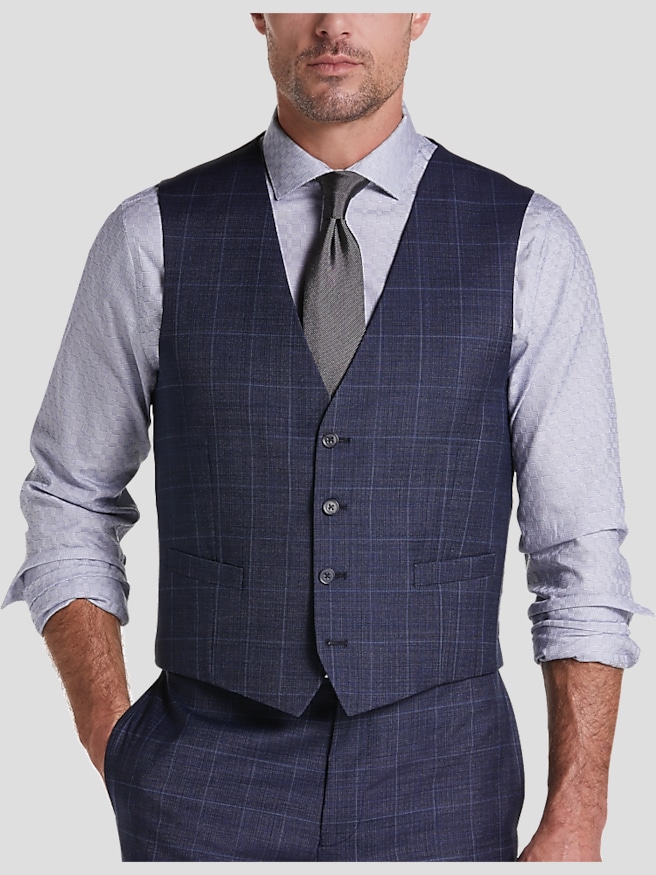
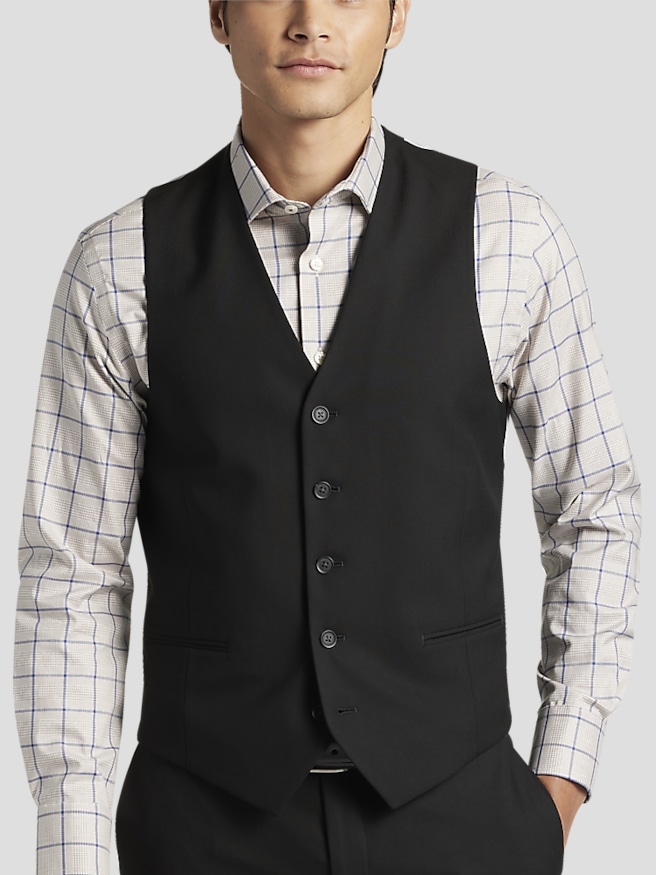
Summer men's vests are lightweight, sleeveless layers that add shape and polish to warm-weather outfits without the full coverage of a jacket. For tailored dressing, a vest, also called a waistcoat, creates a clean line through the torso and helps a shirt-and-trousers combination feel more complete. It can be part of a coordinated suit or a separate piece with its own texture and color. Unlike utility vests built around cargo pockets and outdoor activities, tailored summer vests emphasize proportion, fabric, and a close but comfortable fit. Linen, cotton, linen blends, and lightweight wool are common fabric choices, each with a different character. Linen has an airy feel and a textured surface; its natural creases belong to a relaxed summer look rather than signaling that the outfit is unfinished. Cotton can offer a soft hand and a less pronounced texture, while blends may balance breathability, shape retention, and wrinkle resistance, depending on their composition. Fine, lightweight wool is another option for dressier occasions, particularly when a smoother finish matters. Fabric weight alone does not determine comfort, however. A densely woven shell or substantial lining can feel warmer than its appearance suggests, so the construction of the entire garment matters. An unlined or partially lined design may feel lighter, while a fully lined vest can provide a smoother drape over a dress shirt. Light neutrals such as cream, tan, and pale gray give summer tailoring an easygoing character, while navy and charcoal create stronger contrast and a more formal impression. Subtle woven texture can keep a simple outfit interesting without a bold pattern. For a ceremony on a lawn, an evening reception, or a dressed-up lunch on a covered patio, the appeal is much the same: a vest provides definition without the bulk of another full-sleeved layer. The result can feel relaxed or formal depending on the shirt, trousers, shoes, and occasion.
Fit gives a summer vest its finished appearance. The front should rest close to the body without pulling across the chest or forming tight horizontal lines around the buttons. Enough room to sit comfortably, reach forward, and move through a full day matters more than a sharply fitted appearance while standing still. Shoulder sections should lie flat, and armholes should allow movement without exposing excessive shirt fabric at the sides. A traditional tailored vest generally reaches far enough to cover the trouser waistband, avoiding a strip of shirt between the two pieces. That relationship is especially noticeable with lower-rise trousers, which may leave a gap even when the vest fits well elsewhere. An adjustable back strap can refine the waist, but it cannot correct a chest that is too tight or shoulders that are too wide. On many classic waistcoats, the lowest button is traditionally left undone to ease movement and preserve the intended line; the garment's cut should still determine how it sits. For a summer wedding, a vest in the same fabric as the trousers creates continuity, particularly when a jacket is removed after the ceremony. Coordinated pieces are useful for wedding parties seeking a consistent look, while contrasting separates can suit guests when the dress code allows them. A pale blue shirt under a textured tan vest feels relaxed without losing structure; a crisp white shirt with a dark vest and tailored trousers creates a more defined look. Jackets, ties, and footwear still establish the level of formality, and a vest alone does not automatically satisfy a formal dress code. Beyond celebrations, men's summer vests can work for business events, graduation gatherings, anniversary dinners, or other occasions calling for something more considered than an open-collar shirt. They can also make thoughtful gifts for someone who enjoys tailored clothing, provided the chest measurement, preferred fit, and usual trouser rise are known. A familiar color is often easier to work into an established wardrobe than a dramatic pattern.
Care and construction help determine how well a summer vest keeps its shape over repeated wear. Neatly finished seams, securely attached buttons, and fabric that lies smoothly around the pockets are useful details to notice. Pocket openings should sit flat rather than gape, and the front edges should hang evenly when the vest is buttoned. Lightweight does not have to mean fragile, although fine fabrics still benefit from considerate handling. Overfilled pockets can stretch the front and interrupt the silhouette, especially with linen or a softer cotton blend; keeping bulky belongings elsewhere helps preserve the clean line. After wear, allowing the fabric to air out before storage can reduce lingering moisture and odors. A properly sized hanger supports the shoulders without forcing them outward, and some space in the closet helps prevent deep creases. Cleaning should follow the garment's care label, because the outer fabric, lining, interfacing, and trim may have different requirements. A cotton or linen shell does not necessarily mean the finished vest is machine washable. For garments that permit pressing or steaming, the appropriate temperature and a pressing cloth can help protect the surface; excessive heat may leave shine or damage delicate components. Small wrinkles in linen are part of its character, while heavy creasing around closures can detract from the fit. Consistent care is particularly useful for a vest worn through several summer occasions, from a family celebration to a work dinner. Versatility also comes from choosing proportions and colors that relate to clothing already in the closet. A restrained pattern can pair comfortably with solid shirts, and a textured neutral can bridge dress trousers and polished casual separates without competing with either. The same interest in lighter fabrics and adaptable tailoring carries into Spring Vests, where similar wardrobe considerations apply. A well-chosen summer vest earns its place through comfortable movement, balanced coverage, and a finish that suits the occasion, whether worn beneath a jacket or as the defining layer of the outfit.