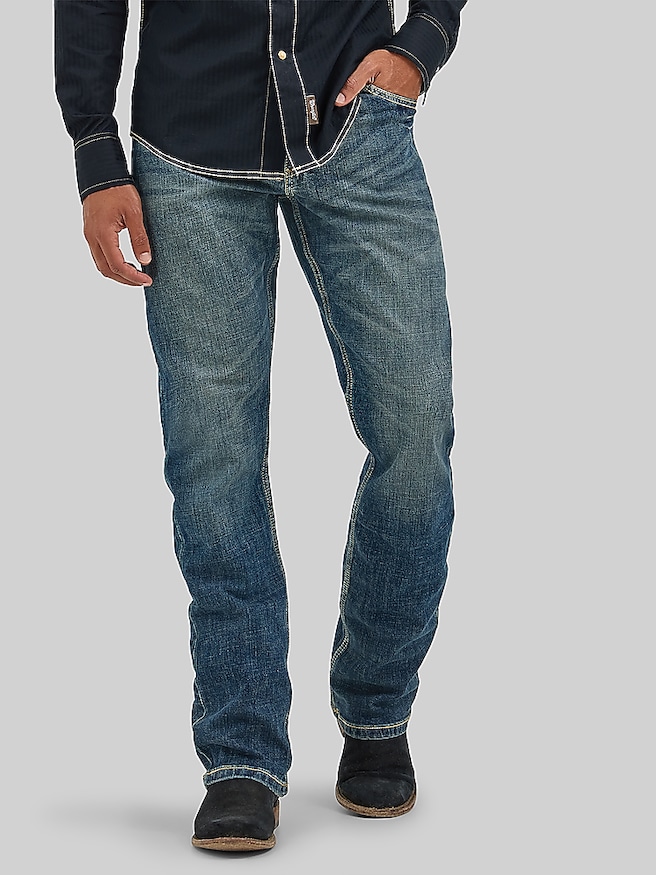
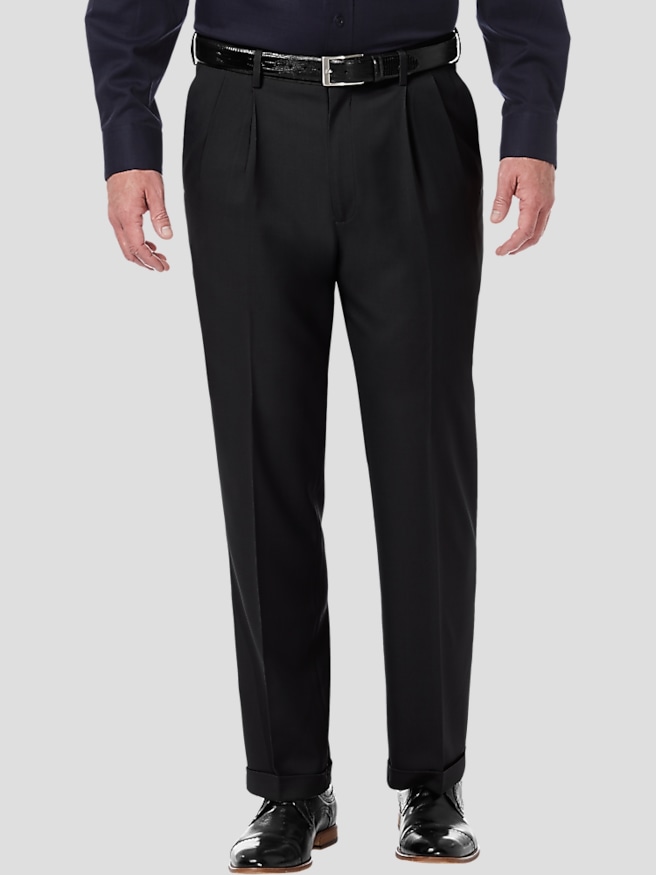
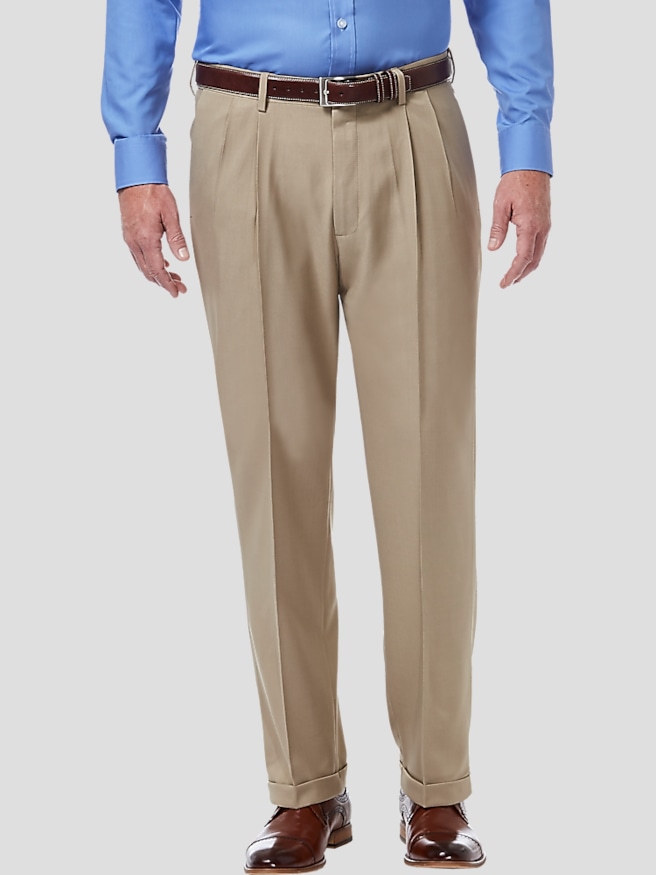
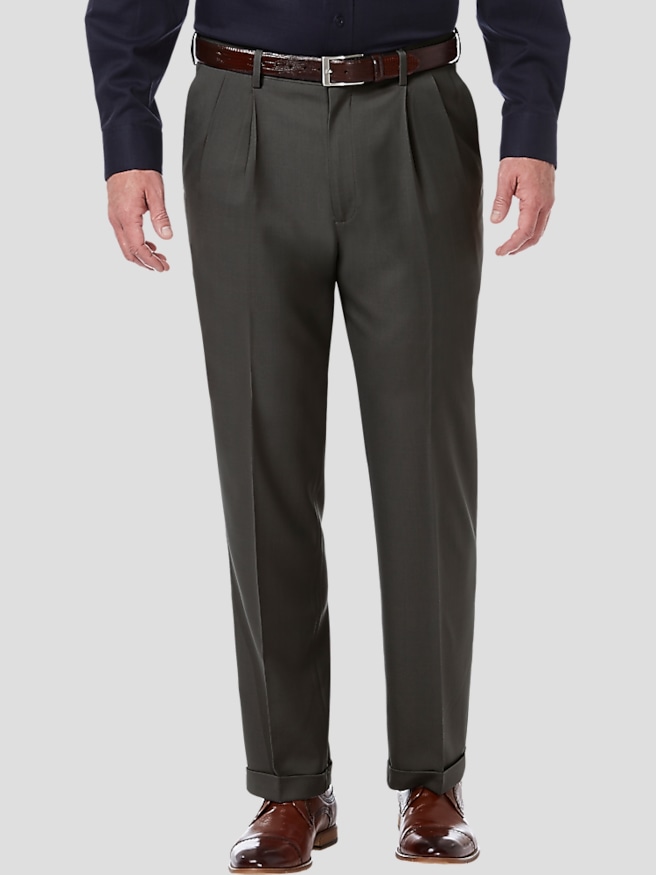
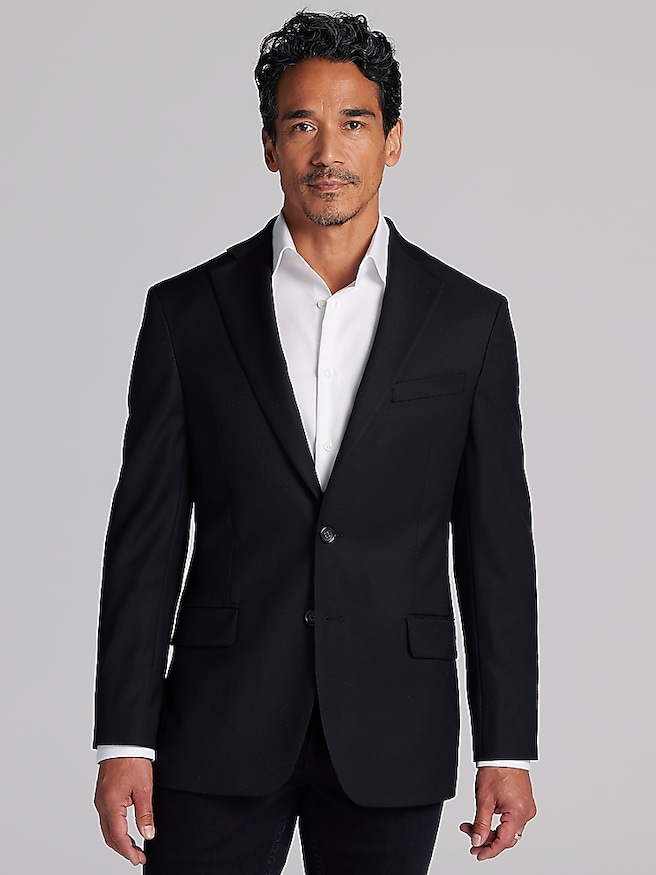
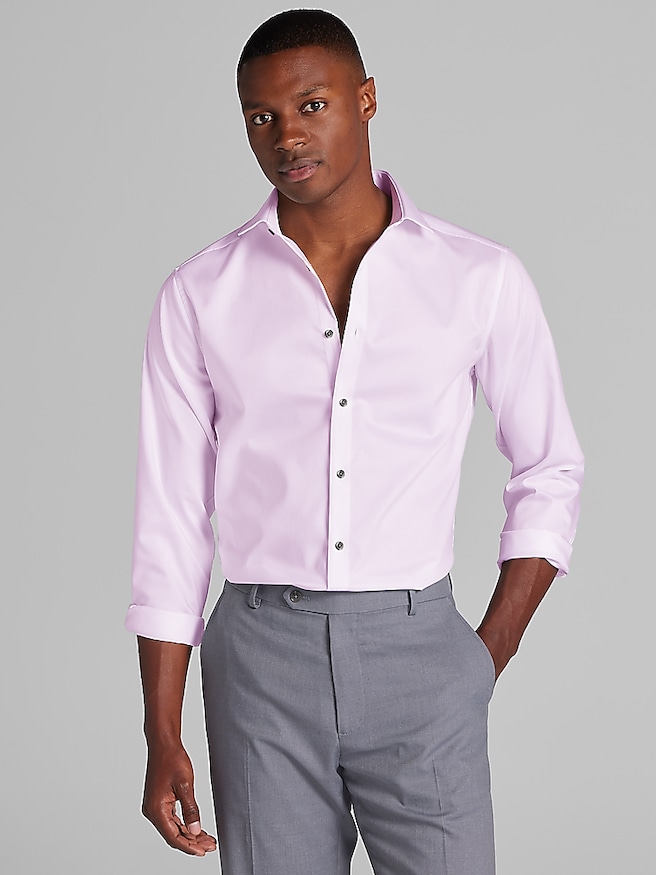
Comfortable work clothes for men combine breathable materials, room to move, and a polished appearance suited to the workplace. The balance depends on the day ahead: several hours at a desk call for a waistband that stays comfortable while seated, while a commute followed by client meetings calls for clothing that moves easily without looking overly casual. For office and business-casual settings, soft shirts, flexible trousers, lightweight sweaters, and softly structured layers can help bridge those needs. Fabric composition is a useful starting point, but the weave, weight, and finish matter just as much. Cotton often feels soft against the skin, and a cotton blend with a small amount of stretch can offer extra give through the shoulders, elbows, and knees. Fine wool can provide breathable warmth and a smooth drape, making it useful for tailored clothing worn during the cooler months. Performance blends may offer moisture management, stretch, or wrinkle resistance when those properties are specified in the fabric description. These features serve distinct purposes: stretch supports movement, moisture-wicking construction helps move perspiration away from the skin, and wrinkle resistance can reduce the creasing that develops during a long stretch of sitting. No single material guarantees all-day comfort, and a lightweight fabric is not necessarily more breathable than a heavier one. Construction and fit help determine how clothing actually feels by midafternoon. A shirt that looks crisp at the start of the day should still allow an easy reach across a conference table; trousers should accommodate stairs and a seated commute without pulling across the thighs. Clothing for an office, school, showroom, or hospitality setting also serves a separate purpose from protective clothing for a job site. A professional appearance and flexible fabric do not replace required safety features. Within everyday workplace wardrobes, comfort works best when the clothing supports the expected activity and the level of formality rather than forcing a choice between looking prepared and feeling at ease.
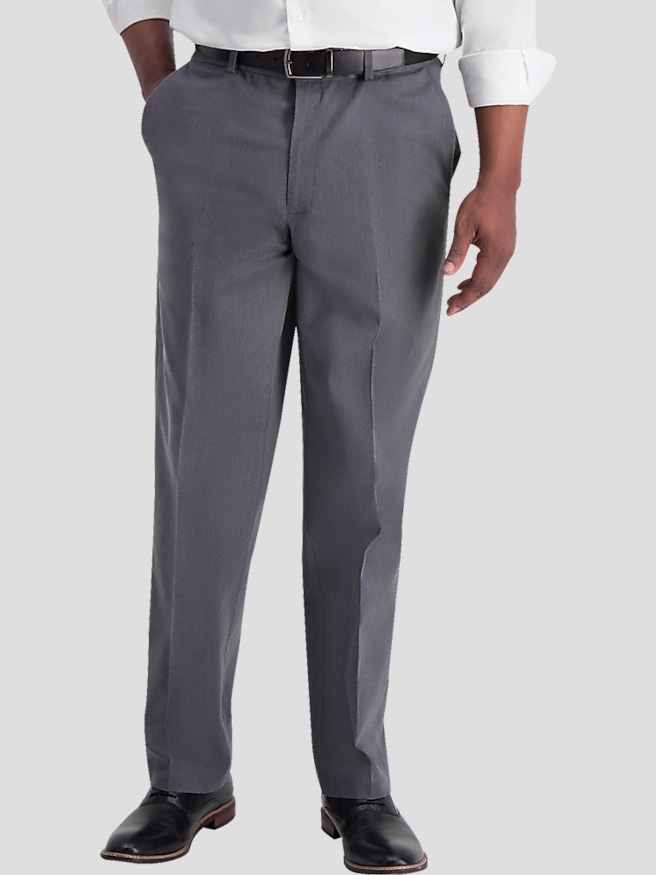
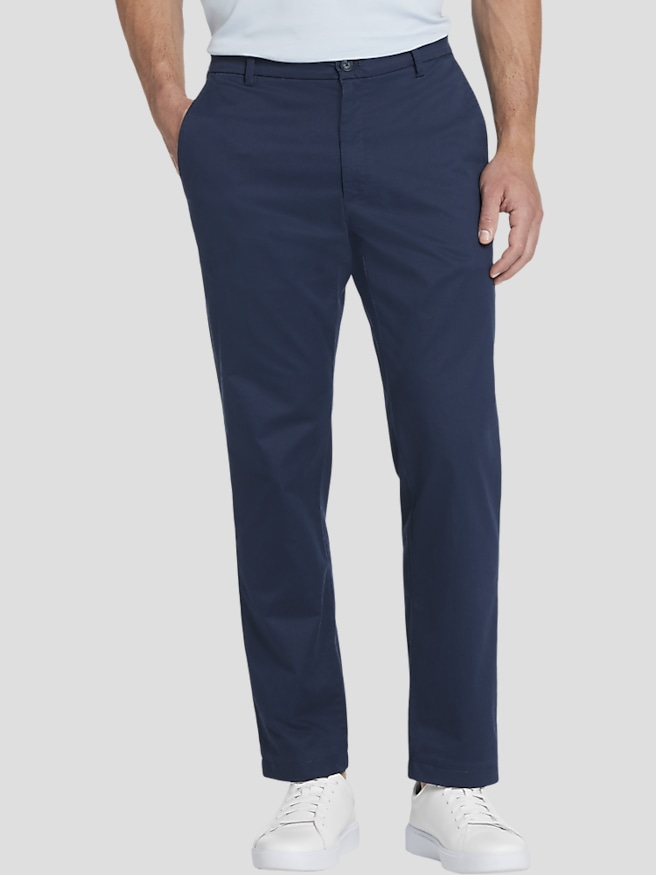
Fit gives comfortable workwear its shape, and the most useful fit is neither restrictive nor unnecessarily loose. Shoulder seams should sit close to the natural shoulder, a button-front shirt should lie smoothly across the chest, and sleeves should allow the arms to bend without pulling hard at the cuffs. Extra fabric is not always the answer to tightness: a shirt that is too large can bunch beneath a sweater or jacket and feel bulky around the waist. For trousers, the rise, seat, and thigh shape deserve as much attention as the waist measurement. A waistband that feels fine while standing may press uncomfortably when seated if the rise or overall cut is not suited to the wearer. Straight and tailored silhouettes can both look professional, provided there is enough room through the seat and thighs for a natural stride. A modest amount of stretch can complement that fit, but it cannot fully compensate for a garment that is too small. The shape and construction of comfortable work pants are especially important for days that move between desk work, walking meetings, and time spent on the road. Smooth pocket placement, secure closures, and an appropriate hem length help trousers function well without distracting from the overall appearance. Above the waist, a soft knit layer can add warmth in a cool conference room without the weight of a heavy outer layer. A lightweight undershirt can make some woven shirts feel more comfortable, though it should sit smoothly and remain unobtrusive at the neckline. During the cooler months, removable layers accommodate the change from a chilly sidewalk to a heated office. Shoes complete that practical approach: a secure heel, adequate toe room, and cushioning suited to the day's walking can matter as much as the clothing itself. Even in a more formal workplace, comfortable proportions and restrained details can preserve a sharp appearance without making every movement feel constrained. Small adjustments to sleeve length or trouser hems can also reduce bunching and keep a well-fitting outfit looking intentional.
A dependable work wardrobe also needs to hold up to repeated wear and a realistic care routine. Closely woven fabrics, neat seams, and securely attached buttons are useful signs of thoughtful construction, while durability also depends on how and where the clothing is worn. Friction from a desk edge, a shoulder bag, or a long commute can gradually affect areas such as cuffs, elbows, and the seat of trousers. Stretch fabrics benefit from care that respects their fiber content, since excessive heat can damage some elastic fibers and affect shape retention. Care labels remain the best reference for washing, drying, pressing, and professional cleaning; machine-washable clothing and pieces that require professional care should not be treated as interchangeable. Removing washable garments promptly after the cycle can help limit wrinkles, while allowing clothing to dry fully before storage helps keep it fresh. Suitable hangers support woven shirts and tailored layers, and folding knitwear can help prevent shoulder bumps and stretching. Rotating outfits gives clothing time to air between wears and avoids placing the same seams and high-friction areas under constant use. For an easy-to-coordinate professional wardrobe, navy, charcoal, gray, and earth tones provide a practical foundation, with subtle patterns adding interest without complicating combinations. A soft blue shirt with charcoal trousers can suit a presentation day, while a fine-gauge sweater over a collared shirt can feel relaxed enough for desk work and composed enough for an unexpected meeting. The goal is a group of clothes that work together across ordinary responsibilities, not an outfit reserved for one occasion. Men beginning a new role, returning to an office, teaching, or spending long days with clients may value this balance of polish and physical ease. Work clothing can also be a thoughtful gift for a graduate or someone celebrating a career milestone when sizing, fabric preferences, and workplace expectations are known. Familiar fits and manageable care requirements make that gesture more useful. Across these settings, comfortable professional clothing earns its place through the same everyday qualities: a reliable fit, appropriate coverage, easy movement, and an appearance that stays composed through the final appointment of the day.