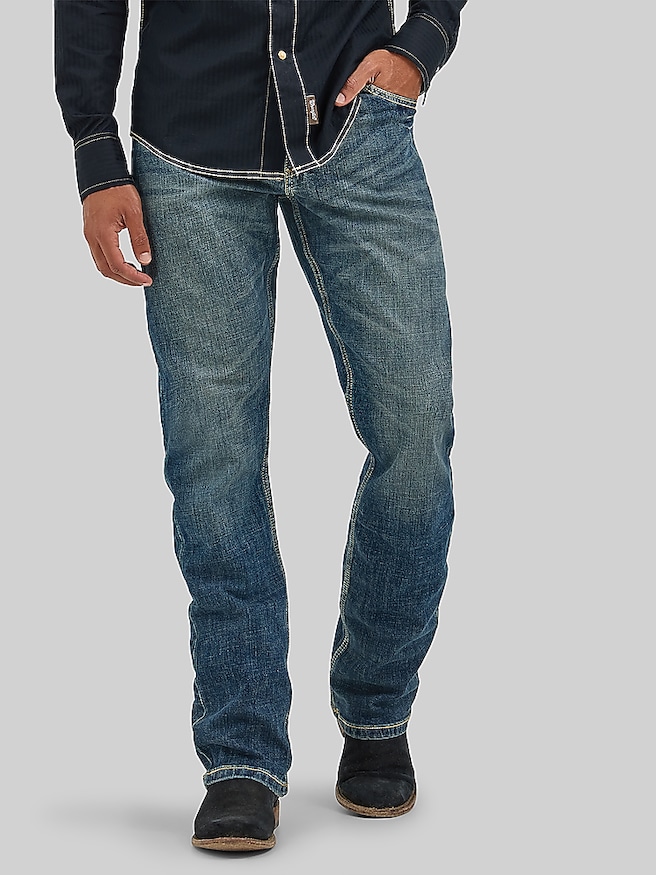
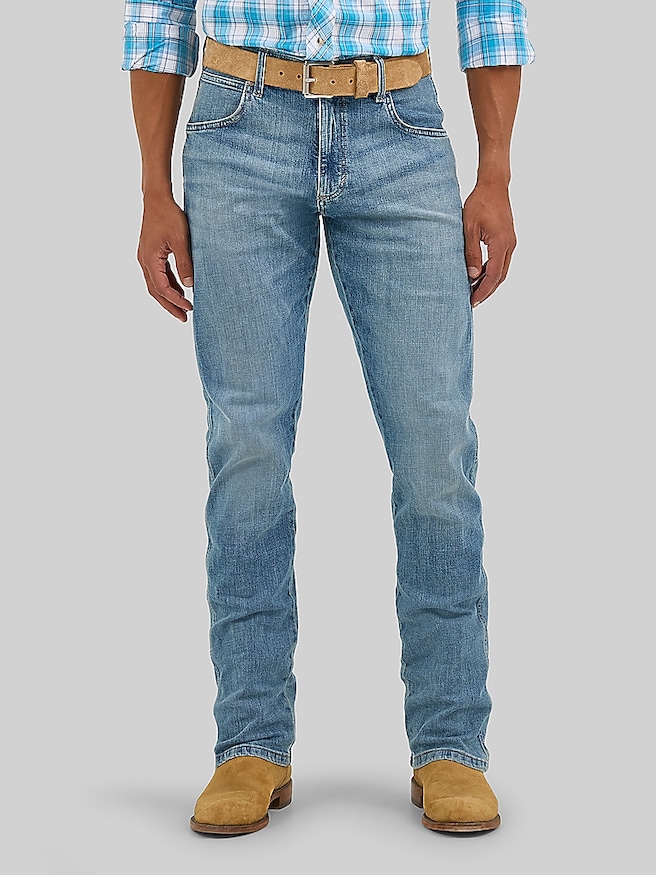
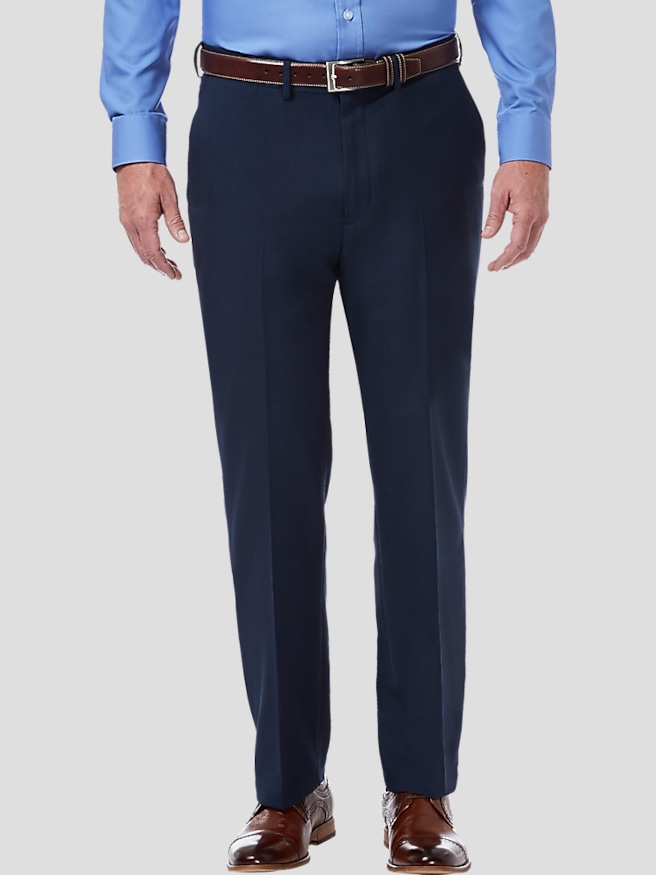
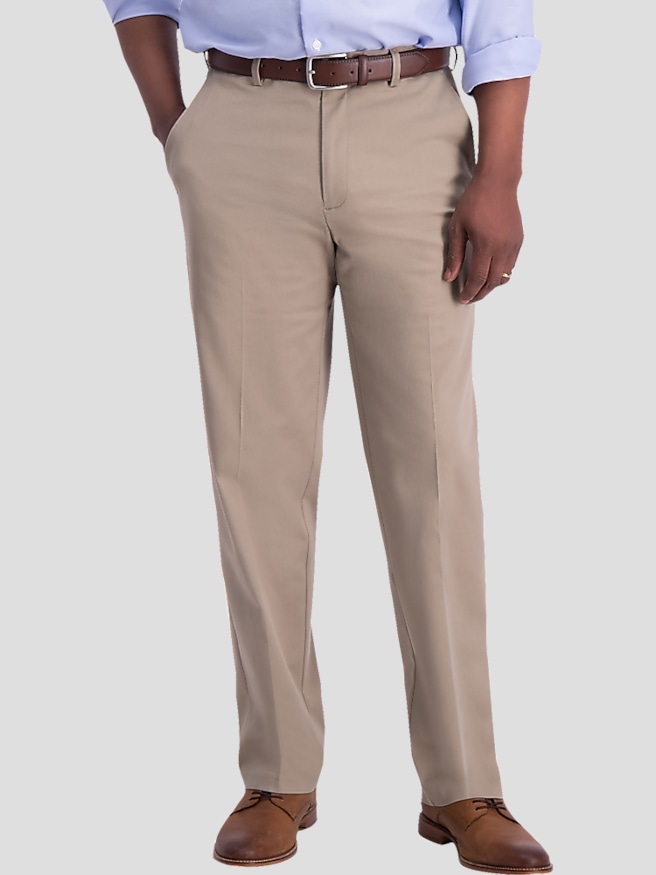
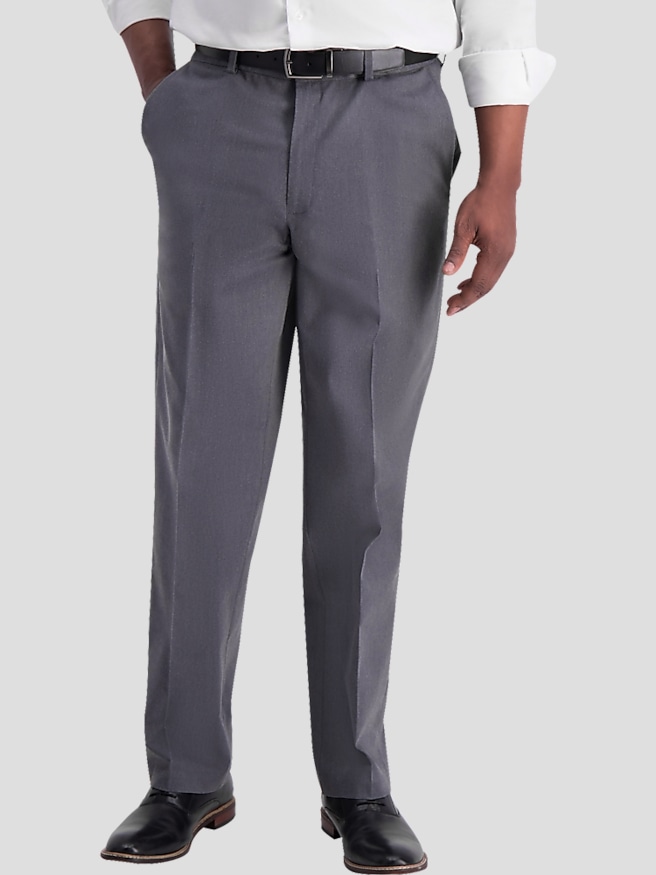
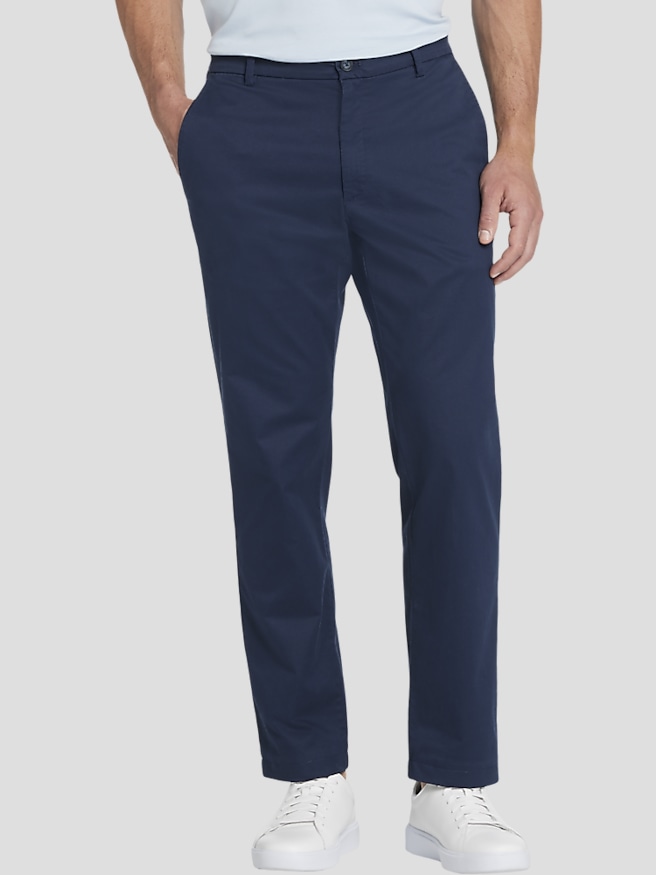
Men’s comfortable work pants combine freedom of movement, a comfortable fit, and fabrics suited to the demands of a full workday. Comfort comes from more than a soft feel: the waistband should sit comfortably when seated, the seat and thighs need enough room for movement, and the fabric should drape neatly without feeling restrictive. These details matter during a morning commute, several hours at a desk, a presentation delivered standing up, or an afternoon spent moving between departments. Cotton twill offers a familiar texture and a substantial feel, making it a useful foundation for chinos and other business-casual pants. Cotton blended with a small amount of elastane or spandex can provide stretch for sitting, reaching, and climbing stairs, while polyester blends may contribute shape retention and easier care. Wool and wool-blend trousers bring a refined drape to more polished workplaces, although their care requirements can differ from those of washable casual fabrics. Fiber content is only part of the story. The weave, fabric weight, waistband construction, and placement of seams also influence how pants feel after several hours of wear. Stretch helps a fabric move, but it does not replace a fit with adequate room through the hips and thighs. Breathable construction can support everyday comfort, and moisture-wicking fabrics, when identified in the garment details, help move perspiration away from the skin. Wrinkle-resistant finishes can be useful for commuters and people whose schedules move straight from desk work to client meetings, though no fabric stays perfectly smooth under every condition. The appeal of Comfortable Work Pants is the balance between an appropriate workplace appearance and ease throughout ordinary movements. A clean silhouette, secure pockets, and fabric that recovers its shape help pants feel practical without looking overly casual. For office staff, educators, managers, and professionals who spend much of the day on their feet, that balance can make a meaningful difference from the first appointment to the trip home.
Fit determines whether work pants remain comfortable once the day gets busy. Slim fits generally follow the leg more closely, straight fits maintain a more consistent line, and roomier fits provide additional space through the seat and thighs, although exact proportions vary by design. A close-cut silhouette can still feel easy when the pattern suits the wearer’s build; a loose silhouette can still pull if the rise or waistband placement is wrong. The rise affects where pants sit on the body and how much room there is between the waistband and crotch seam. When that proportion works well, sitting down does not force the waistband to dig in or the back of the pants to pull downward. Flexible waistbands can add give during movement, but they should not need to compensate for a size that is too tight. Pockets should lie reasonably flat rather than flare open, and the fabric across the front should hang smoothly instead of forming pronounced pulling lines. Through the legs, enough room for a comfortable stride helps with walking across a large office, stepping onto public transportation, or crouching briefly to reach a low cabinet. Length matters just as much. An appropriate hem keeps excess fabric from bunching around the ankles and allows the pants to sit neatly over the shoes worn most often. A slight break works with many dress shoes, while a cleaner hem can complement streamlined loafers or workplace-appropriate sneakers. Neutral shades such as navy, charcoal, gray, and khaki pair easily with button-down shirts, polos, knitwear, and sport coats, giving comfortable work trousers a place in both relaxed and more formal dress codes. The same pair may suit a desk-focused day with a tucked-in shirt and a less formal schedule with a polo, depending on the fabric and cut. As a gift for a graduate starting an office role or someone settling into a new position, work pants are most useful when the recipient’s measurements, preferred fit, and workplace expectations are known.
Durability in comfortable work pants comes from the relationship between fabric, construction, and intended use. A tightly woven twill can provide structure for repeated everyday wear, while sturdy stitching and neatly finished seams help support areas that experience regular movement. Pocket edges, belt loops, the seat, and the inner thighs are useful places to assess construction because they often receive the most friction or tension. Heavier fabric is not automatically more comfortable or longer lasting; an unnecessarily bulky material can restrict movement, while a well-made lighter fabric may be better suited to office routines. Likewise, stretch recovery matters alongside stretch itself. Fabric that returns toward its original shape is less likely to look baggy at the knees after extended sitting. Deep, secure pockets are practical for a phone or keys, but carrying bulky objects can distort the drape and put extra stress on pocket openings. For hands-on work involving frequent kneeling, abrasive surfaces, or specialized hazards, the demands differ from those of business-casual dressing. Everyday office trousers should not be treated as protective equipment, and workplace requirements take priority over appearance. Care also plays an important role in keeping pants comfortable and presentable. The garment’s care label is the starting point, since cotton blends, performance fabrics, and wool blends may require different washing or cleaning methods. For machine-washable pants, following the recommended cycle and drying directions helps preserve fit and finish; excessive heat can affect some stretch fibers and contribute to unwanted shrinkage. Promptly hanging or folding pants after drying can reduce creasing, while pressing or steaming should follow the fabric’s care instructions. Emptying pockets before cleaning, treating marks as directed, and repairing a loose button early can prevent small issues from becoming larger problems. Rotating between pairs also gives each garment a break from repeated friction and wear. With suitable fabric, a balanced fit, and consistent care, comfortable work pants can remain a dependable part of a wardrobe built around real working days.