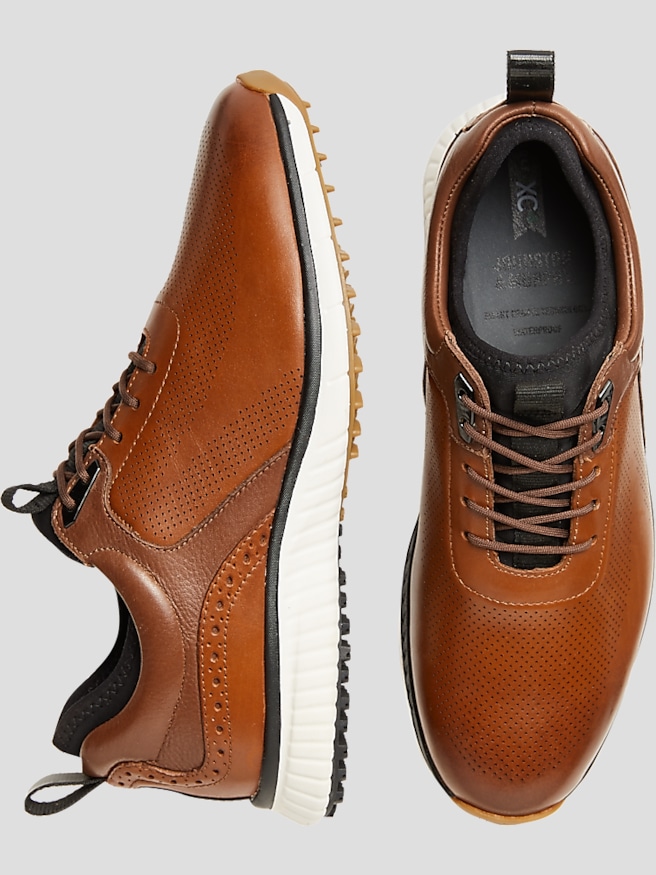
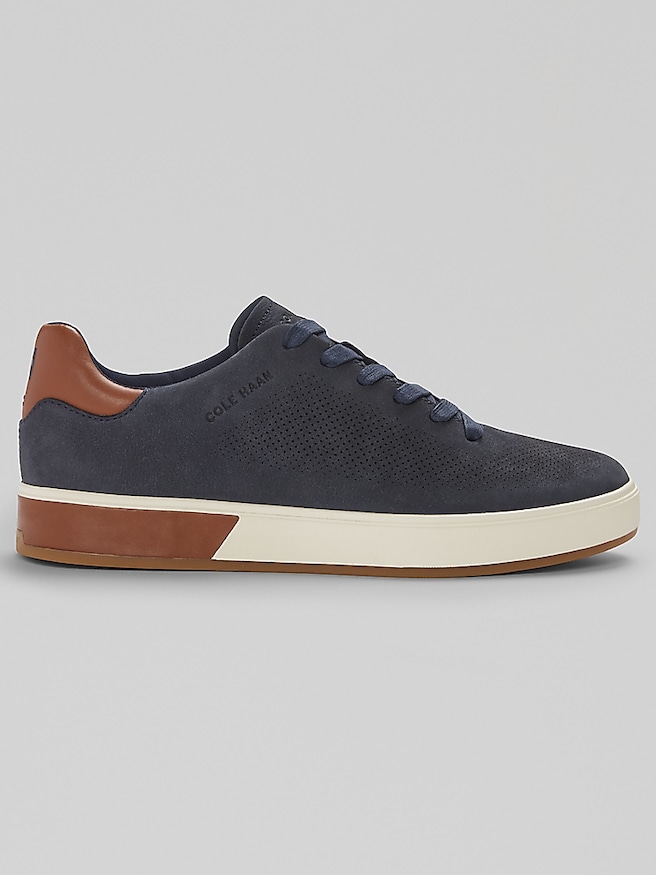
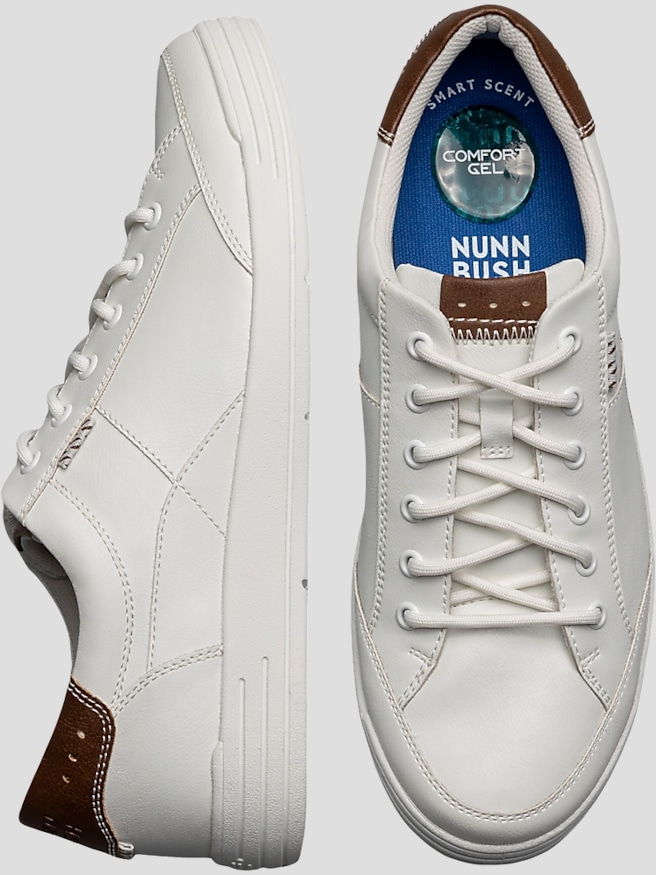
Comfortable golf shoes combine underfoot cushioning, a secure fit, and dependable traction with enough flexibility to walk naturally between shots. A round can involve several miles on foot, time standing over putts, and repeated turns through the swing, so comfort depends on more than a soft first step. A good fit balances room at the toes with a stable heel and supportive midfoot, allowing the foot to move without sliding inside the shoe. For someone walking 18 holes, lightweight construction and cushioning that feels comfortable under repeated steps can matter as much as appearance. Golfers who use a cart still spend plenty of time walking to the ball, standing on the tee box, and moving across uneven ground. A shoe that feels steady during a practice swing and comfortable on the path serves both routines. Fit also needs to work with the socks normally worn for golf. There should be space for the toes to spread without the foot drifting sideways, while the heel should stay seated rather than lifting noticeably with each stride. A broader forefoot may benefit from a wider fit or a roomier toe box, but extra length is not a substitute for adequate width. Laces that adjust evenly across the instep can help fine-tune the hold without creating pressure across the top of the foot. Inside, smooth linings, a padded collar, and seams positioned away from rubbing points contribute to comfort beyond the opening holes. Some golfers prefer a more structured feel, while others favor the easy movement of a sneaker-inspired design. Neither approach is automatically more comfortable; the right balance depends on foot shape, walking habits, and how firmly the golfer likes to feel connected to the ground. Shoes should feel comfortable from the start, without relying on a long break-in period to resolve pinching or heel slip.
Materials and sole construction shape how comfortable golf shoes feel throughout a round. Leather uppers can provide a supple, structured fit and a polished appearance, though their flexibility and care needs vary by finish. Engineered mesh and knit uppers often emphasize breathability and easy movement, while synthetic panels can add reinforcement around areas that handle repeated bending or rubbing. A breathable lining and moisture-managing socks help address perspiration inside the shoe, especially during a long walk. Beneath the foot, foam cushioning softens contact with the ground, but maximum softness is not always the most comfortable choice. An overly yielding feel may be less appealing to a golfer who wants a steady platform when shifting weight through a swing. A supportive midsole, secure heel structure, and appropriate forefoot flexibility can balance walking comfort with lateral stability. Removable footbeds may offer room for compatible inserts, although the added thickness of an insert can change the fit across the toes and instep. Outsole design matters just as much. Spikeless golf shoes use molded traction elements to grip the turf and can feel convenient when moving between the course and permitted clubhouse areas. Spiked golf shoes use traction cleats, often replaceable, that can suit golfers who prefer a more planted feel. Neither construction guarantees greater comfort; the arrangement of the traction elements, the flexibility of the sole, and the fit of the upper all play a role. Course footwear requirements also matter, particularly where certain cleat types are restricted. For golfers who walk frequently, reinforced high-contact areas, securely joined sole edges, and an outsole designed for repeated use are useful durability considerations. Wear patterns eventually tell a story: flattened cushioning, unevenly worn traction, or a heel lining that has rubbed through can signal that a once-comfortable pair no longer provides the same feel. More walking on hard paths can also wear traction elements faster than time spent primarily on turf.
Practical care helps preserve both comfort and appearance, particularly for golf shoes that move from practice sessions to full rounds. Grass clippings and soil can collect around traction elements, reducing the clear contact surfaces the outsole was designed to provide. A soft brush removes loose debris, while a gentle wipe with a damp cloth can address surface marks when the material’s care instructions allow it. Leather, knit, and synthetic uppers do not always tolerate the same cleaners, so material-specific care matters more than an aggressive scrub. High heat can affect adhesives, finishes, and shape; allowing shoes to air-dry naturally after cleaning is generally a better approach than placing them near a heater. Removable footbeds can be taken out for airing when permitted by the manufacturer, and shoes should be fully dry before being put away. For pairs with replaceable cleats, checking for worn or missing pieces helps maintain consistent traction without overlooking the rest of the outsole. Beyond performance, golf footwear can fit naturally into a wardrobe built around polos, stretch golf pants, and tailored shorts that meet course dress standards. The clean look of white golf shoes works with navy, gray, khaki, and brighter accents, giving athletic shapes and more traditional silhouettes an equally crisp finish. Simple detailing can suit a golfer who prefers an understated look, while a sportier profile complements a more athletic outfit. Comfortable golf shoes can also make a thoughtful birthday, Father’s Day, or retirement gift for someone who enjoys regular tee times, casual practice, or an occasional charity tournament. Familiarity with the recipient’s size, preferred width, usual socks, and walking habits makes that choice more personal and practical. Whether worn by a beginner settling into a routine or an experienced golfer who knows every turn of a familiar course, a well-fitting pair should support the whole outing—from the first walk toward the practice green to the final stretch back to the clubhouse.