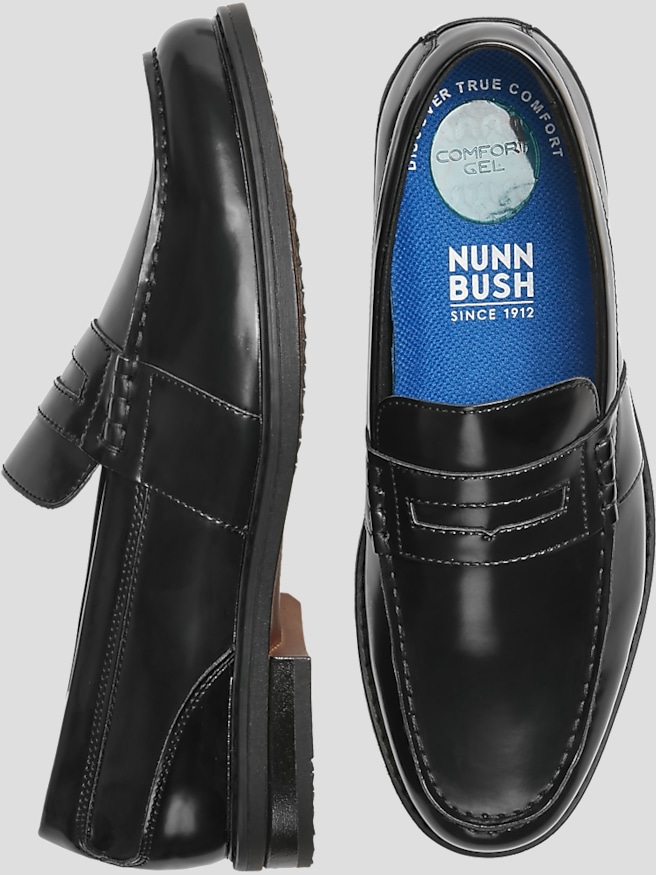
Comfort penny loafers pair the familiar slip-on shape and slotted leather strap of a traditional penny loafer with features that can make everyday wear feel easier, including cushioned footbeds, flexible soles, and thoughtfully shaped interiors. Their appeal lies in looking polished without the stiffness sometimes associated with dress shoes: a smooth leather upper works with tailored trousers, while a softly textured finish feels at home beside chinos and a knit sweater. For men moving between a desk, a lunch meeting, and an evening gathering, that versatility makes penny loafers a useful part of a regular rotation. Comfort, however, depends on more than a soft first step. The most suitable pair balances cushioning under the heel and forefoot with a secure fit, enough toe room, and a sole that bends where the foot naturally flexes. An overly soft footbed may feel pleasant initially without providing the support someone prefers over several hours. A contoured footbed or defined heel cup can feel more stable, though individual needs vary, and no single construction suits every foot. The low profile slips neatly beneath trouser hems, and the absence of laces gives the shoe a clean, understated appearance. For office settings with a relaxed dress code, penny loafers can bridge the gap between sneakers and lace-up dress shoes without making an outfit feel overly formal. They also suit dinners, family celebrations, and travel days that call for a presentable shoe, provided the fit and sole match the amount of walking involved. During the cooler months, fine-gauge socks and wool trousers give the silhouette a natural seasonal setting without changing its easy character. Men who favor a compact wardrobe may especially appreciate footwear that can move from weekday separates to a weekend overshirt and dark denim. The distinctive strap supplies just enough detail to make a simple outfit feel finished, with no elaborate styling required.
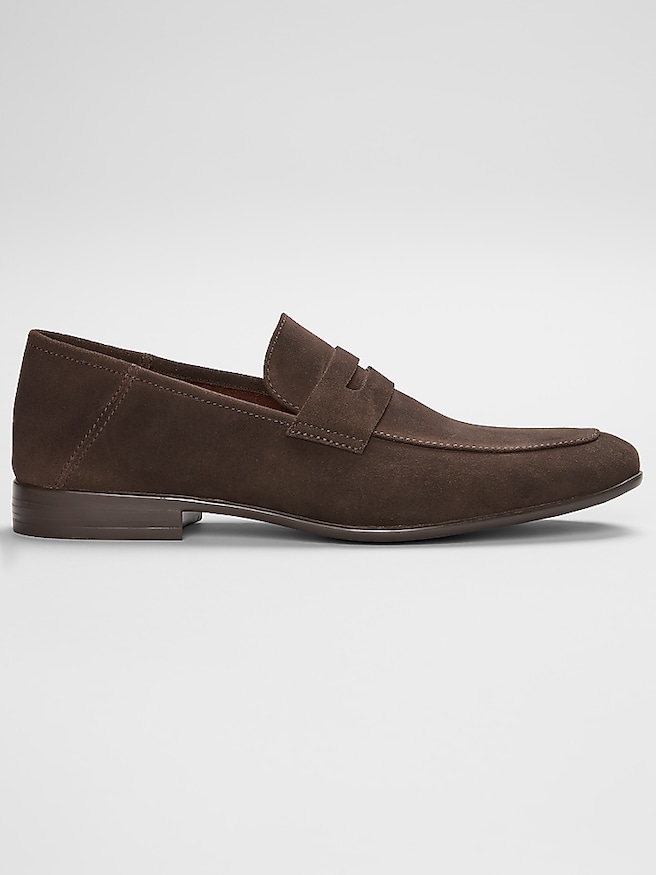
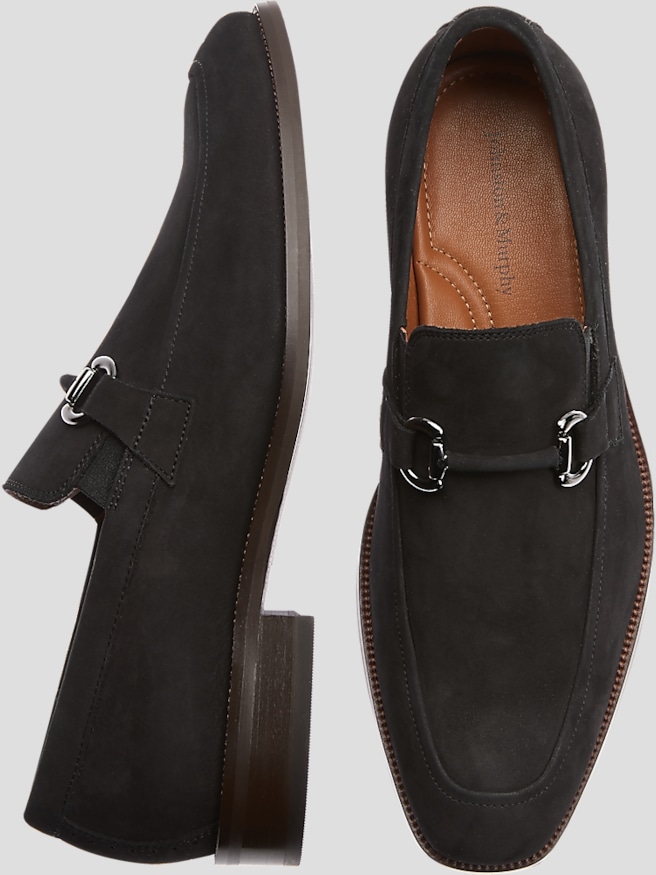
Materials and construction shape how comfort penny loafers feel from the first wear and how they hold up over time. Smooth leather offers a polished surface and can gradually conform to the foot, although its softness and flexibility vary with thickness, finishing, and the structure beneath it. Supple leather may feel accommodating sooner, while a more structured upper can hold its shape well but need a gradual introduction to regular wear. Suede brings a softer visual texture that complements corduroy, brushed cotton, and knitwear, but it benefits from extra attention around moisture and surface marks. Interior materials matter just as much: a smooth lining helps limit rubbing, and seams should not press against the toes or sides of the foot. Breathable linings can help manage moisture, though socks, weather, and activity also influence how the shoes feel throughout the day. Underfoot, rubber soles often provide useful flexibility and traction for everyday pavement, but tread pattern and surface conditions affect grip. Leather soles have a traditional dress-shoe appearance and can feel sleek under tailored clothing, yet may offer less traction on slick ground. Neither material alone guarantees comfort or durability; sole thickness, attachment, and the overall build also matter. A lightweight shoe can feel less cumbersome during a commute, while adequate cushioning helps soften contact with hard floors. Fit deserves particular attention because there are no laces to adjust the upper. The heel should feel secure without painful pressure, the instep should sit comfortably beneath the strap, and the toes should have space rather than being squeezed toward the front. A small amount of initial heel movement can occur with some constructions, but repeated slipping or gripping with the toes suggests the fit needs reconsideration. Trying loafers with the socks intended for everyday wear gives a more useful impression than judging them barefoot. Leather may soften, but break-in should not be expected to correct a shoe that is too short or painfully narrow.
Color, upkeep, and intended use help determine how naturally penny loafers fit into daily life. Dark brown brings warmth to navy trousers, olive chinos, and textured tailoring, while burgundy can add subtle depth without dominating an outfit. For a crisp, restrained finish, black penny loafers complement charcoal trousers, dark denim, and simple monochromatic combinations. A lightly tapered trouser leg with a modest break keeps the shoe visible without leaving the outfit looking cropped for every setting. Thin dress socks preserve a streamlined fit; heavier socks may require more room through the forefoot and instep. For an afternoon that includes several blocks on foot before dinner, a secure heel and a flexible, grippy outsole become more important than appearance alone. For extended sightseeing or strenuous walking, footwear designed specifically for that activity may be more appropriate, even when a loafer feels comfortable around the office. Longevity depends partly on matching the shoes to their surroundings and allowing time for care. Penny loafers are generally better suited to dry sidewalks and indoor spaces than slush or deep puddles unless their construction is specifically intended for wet conditions. After wear, wiping smooth leather with a soft cloth removes surface dirt before it settles into creases. Occasional conditioning with a suitable leather-care product helps maintain suppleness, while compatible polish can refresh the finish; testing care products on an inconspicuous area helps avoid surprises. Suede needs its own brush and material-appropriate treatment rather than smooth-leather polish. Damp shoes should dry naturally away from direct heat, and cedar shoe trees can help maintain shape and absorb residual moisture between wears. Alternating footwear gives linings time to dry and can reduce the strain of repeated daily use. Repair options vary by construction, so resoling should never be assumed. As a gift for a father, partner, graduate, or someone starting a new office role, comfort penny loafers have practical appeal when the recipient’s size, width, and usual style are known. The strongest choice is ultimately a shoe that feels as considered inside as it looks outside, with materials and proportions suited to the places its wearer actually goes.