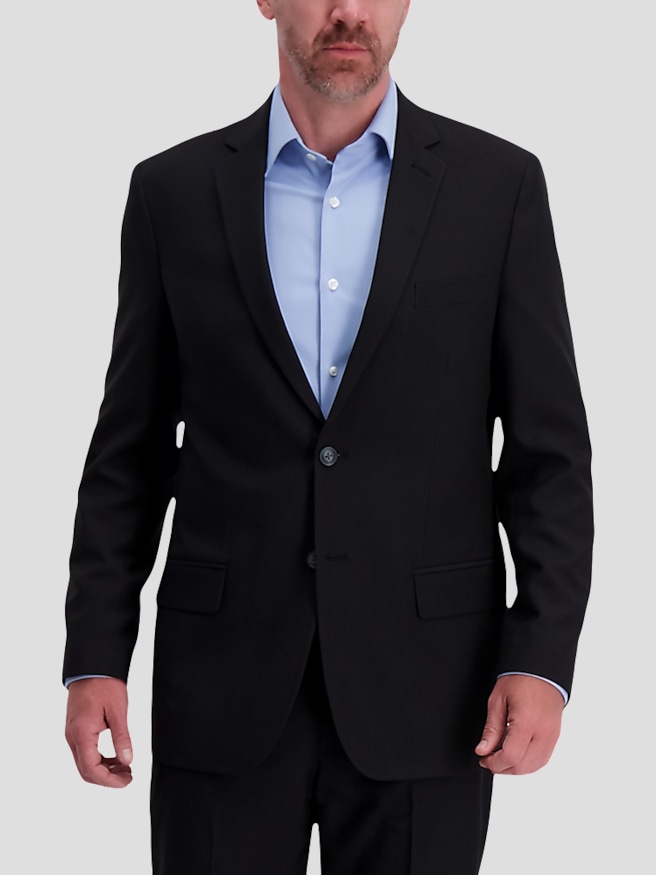
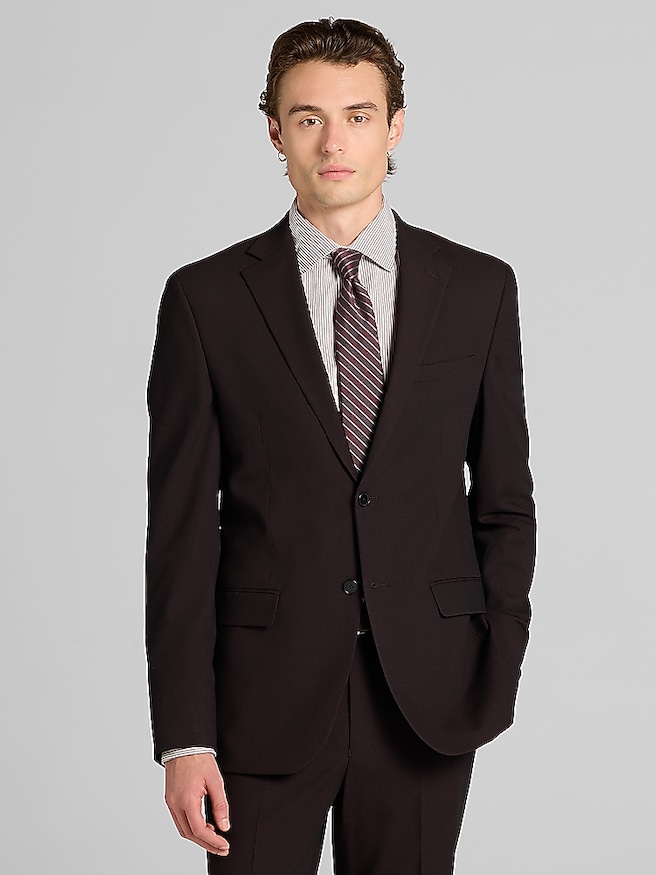
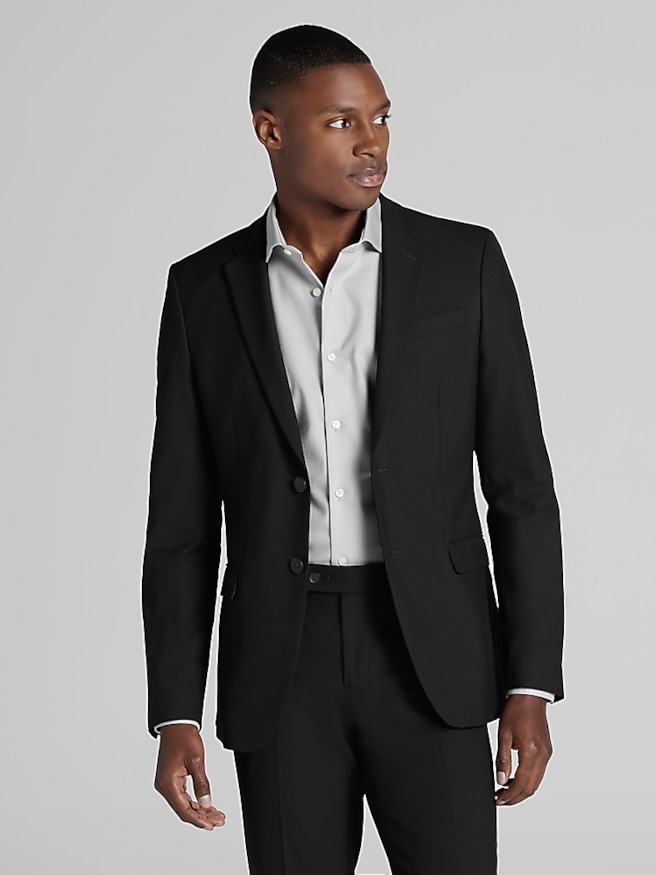
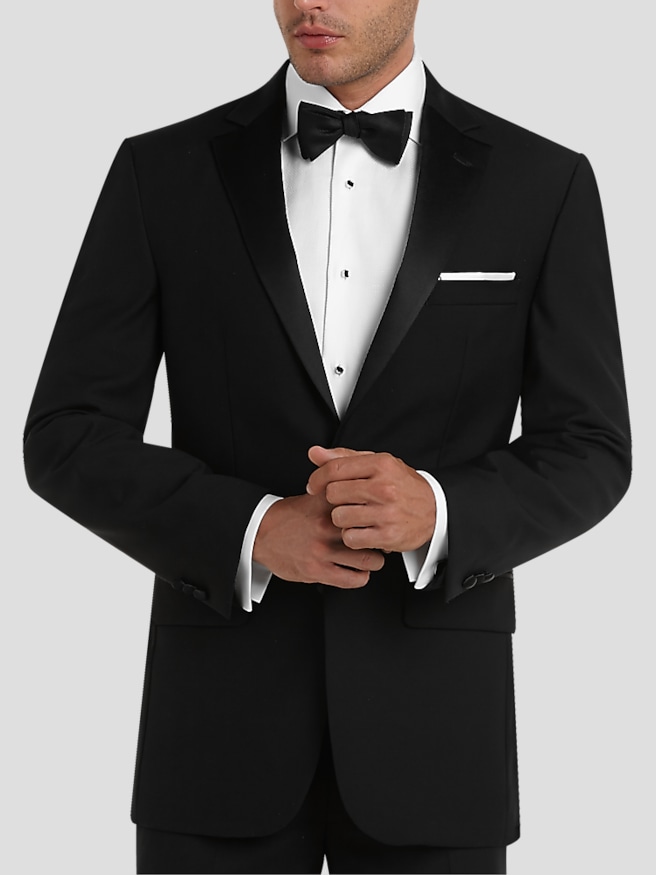
Colorful wedding suits give celebration attire a distinct personality without losing the clean lines and polish of traditional tailoring. Beyond black and gray, the palette can range from soft blue and dusty rose to emerald, burgundy, plum, and deep sapphire. Each shade creates a different impression: muted pastels feel understated against garden greenery or a beach ceremony backdrop, while saturated jewel tones have a strong presence in a ballroom, historic building, or intimate restaurant setting. Navy and medium blue offer a familiar starting point for someone who wants color without a dramatic departure from classic suiting. Green can read earthy or striking depending on its depth, and burgundy brings a rich contrast to an ivory shirt and dark leather shoes. For a palette centered on lavender, violet, or plum, shades of purple wedding suits offer a range of expressive directions, from softly muted to richly saturated. The right choice reflects both the wedding’s dress code and the wearer’s role. A groom might use a distinctive hue to stand apart from attendants, or choose the same color family with a subtle difference in depth or texture. Groomsmen can create a cohesive look through matching suits or coordinated shades, with consistent shirts and accessories helping connect the group. Wedding guests generally benefit from restrained colors that respect the invitation and do not compete with the couple’s chosen attire. White and near-white suits deserve particular care unless the couple has requested them. Color alone does not determine formality; fabric, construction, styling, and the stated dress code matter just as much. A colorful suit should not be assumed to satisfy a black-tie invitation, which typically calls for a tuxedo. Within a suit-appropriate setting, a well-chosen shade can echo floral arrangements, complement a partner’s outfit, or simply feel natural on the person wearing it. That personal connection often makes the look feel more convincing than an exact match to every decorative detail.
Fabric and fit determine how a colorful wedding suit looks beyond a color swatch. Wool is a classic suiting material because it drapes well, has natural resilience, and can create a smooth, tailored silhouette. Wool blends may combine those qualities with added strength or stretch, depending on their composition. Linen has a recognizable texture and relaxed character, with creasing that is part of its appearance rather than a flaw. Cotton can offer a matte finish and a less formal impression, while blended fabrics vary considerably in softness, recovery, and structure. A fine twill, subtle herringbone, or lightly textured weave gives a solid color dimension without introducing a competing pattern. Surface finish matters, too: a matte burgundy fabric looks different from one with pronounced sheen, especially under camera flash or reception lighting. Seeing a shade against the intended shirt and accessories helps reveal undertones that may not be obvious on their own. A blue suit can lean toward gray or violet, and a green suit may have yellow, blue, or earthy undertones. Good fit keeps those color choices grounded. Jacket shoulders should follow the wearer’s natural shoulder line without pronounced overhang, and the collar should sit close to the shirt collar rather than leaving a visible gap. When the jacket is buttoned, strong pulling across the front can indicate that the body needs more room. Slim, modern, and classic fits describe different silhouettes, not a ranking of quality; the most successful shape is one that suits the wearer’s proportions and permits comfortable movement. Trousers should sit securely at the waist, drape cleanly through the seat and thighs, and meet the shoes with an intentional break. Sitting through a ceremony, reaching for a toast, and moving across a dance floor all place demands on the same outfit. Appropriate alterations can refine sleeve length, trouser length, and the jacket’s shape, though they cannot always correct a fundamentally unsuitable size. For wedding parties, consistent tailoring creates cohesion even when the wearers have different builds.
Styling a colorful wedding suit is often most effective when the supporting pieces give the fabric room to speak. A crisp white shirt provides clear contrast, while light blue or ivory can soften the overall combination when those shades work with the wedding palette. A patterned tie can connect the suit to other colors in the celebration, but it need not reproduce the floral arrangements exactly. With an emerald suit, for example, a restrained tie and simple pocket square can keep the result polished rather than busy. A plum suit paired with a pale shirt allows the depth of the tailoring to remain the focal point. Matching every accessory precisely can flatten the look; a pocket square that complements the tie without duplicating it often feels more considered. Shoe color and finish help set the tone, with sleek dark leather generally reading more formal than visibly casual footwear. Belts, when worn, should relate to the shoes, and socks can either continue the trouser color or introduce a discreet accent. These details also influence how easily the suit works after the wedding. A subdued blue, green, or burgundy suit may suit anniversary dinners, receptions, milestone celebrations, or professional events where the dress code welcomes color. Wearing the jacket separately is another possibility when its texture and construction work with contrasting trousers. Longevity depends on care as well as construction. The garment’s care label should govern cleaning, pressing, and stain treatment, particularly for blends or textured fabrics. Prompt professional attention to a spill is safer than aggressive rubbing, which can spread a stain or disturb the surface. A broad, supportive hanger helps preserve the jacket’s shoulders, and proper trouser hanging limits unnecessary creases. Letting the suit air out after wear and storing it clean in a breathable garment bag can help maintain its condition. With thoughtful styling, accurate fit, and appropriate care, colorful wedding suits can remain useful pieces of occasionwear long after the final photograph and the last dance.