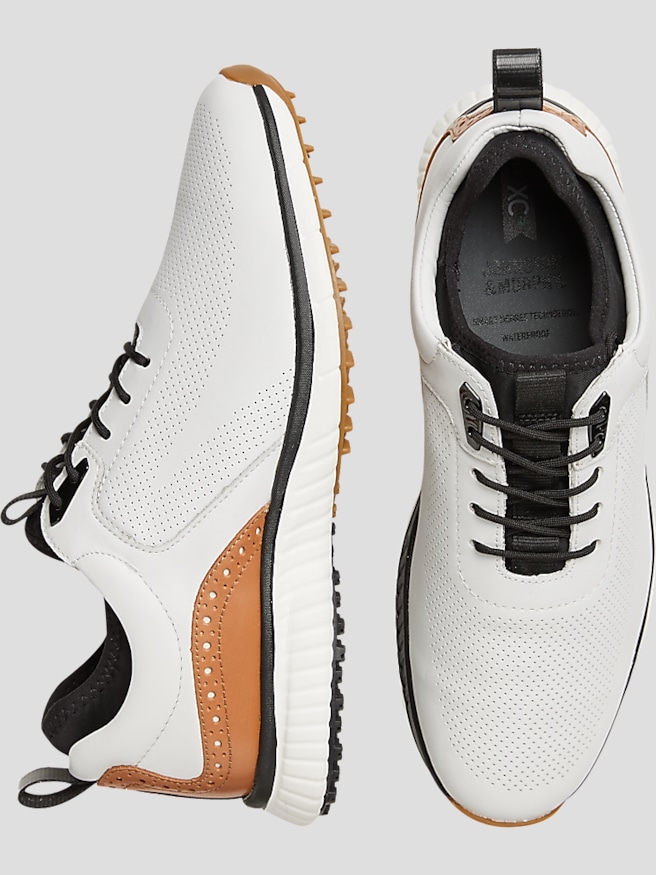
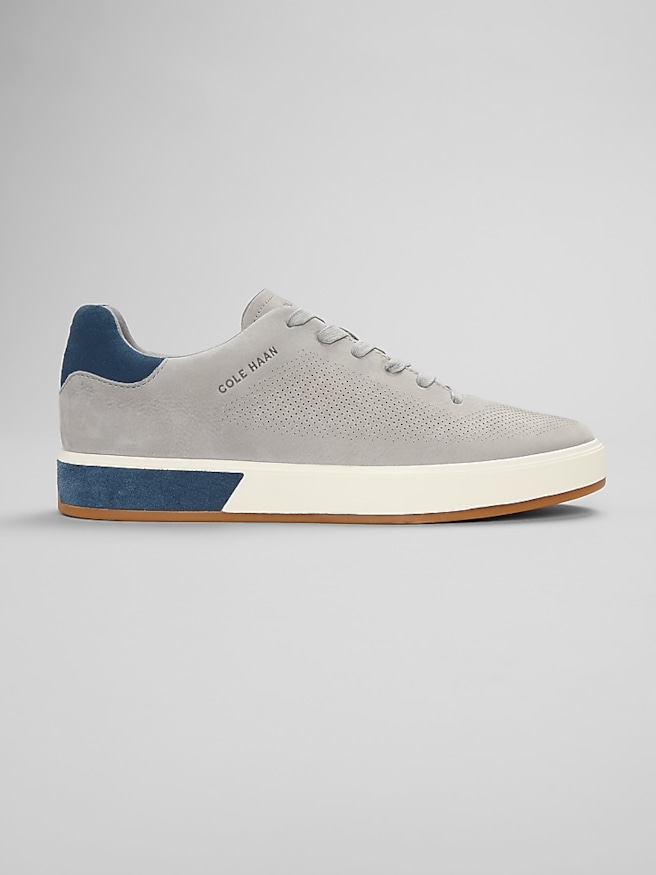
College white sneakers work best when they combine comfortable walking support, a secure fit, and a clean design that pairs easily with everyday campus clothing. A typical college day can mean crossing a large quad, standing through a lab session, climbing library stairs, and meeting friends without a chance to change shoes. For that kind of schedule, comfort matters as much as appearance. Cushioned footbeds, flexible forefeet, and stable soles are useful features to consider, though the right balance depends on the wearer’s feet and routine. A low-profile shape keeps an outfit looking streamlined, while a more substantial sole creates a stronger casual look. White also provides a simple contrast against dark denim, navy chinos, olive pants, and gray joggers, making these sneakers easy to repeat without making every outfit look identical. With straight-leg jeans and a crewneck sweatshirt, they feel relaxed enough for an early lecture or a study group. With chinos and an untucked button-down shirt, they can look polished enough for a club meeting or a casual dinner near campus. A pair with minimal detailing may also complement tailored trousers and an unstructured jacket when the setting welcomes casual footwear. Dress expectations still matter: an interview, presentation, or campus event may call for traditional dress shoes instead. The appeal of college white sneakers is their ability to fit into so much of a student’s regular wardrobe without demanding a complicated outfit. Small design details help establish the overall look. Tonal stitching and understated laces create a quiet finish, while textured panels or a contrasting sole edge add definition. Pants with a clean hem give the sneakers room to show; excess fabric pooling over the shoe can obscure even a neat silhouette. For students building a practical wardrobe, white sneakers offer a familiar starting point that can move between classroom basics and more considered casual combinations.
Materials and construction make a noticeable difference once sneakers become part of a daily campus routine. Smooth leather often has a structured appearance and can be relatively straightforward to wipe clean, although its care needs depend on the finish. Canvas offers a softer, more relaxed look, while mesh panels can encourage airflow. Synthetic uppers vary widely in texture, flexibility, and cleaning requirements, so the material description is more useful than appearance alone. Suede accents bring texture but usually need a gentler approach to cleaning than smooth surfaces. Inside the shoe, a smooth lining and a well-finished heel area can help reduce rubbing, particularly on days with plenty of walking. Fit should feel secure through the heel and midfoot without squeezing the toes or pressing across the top of the foot. There should be enough room for toes to move naturally, and the heel should not repeatedly lift with each step. Trying sneakers with the socks intended for everyday wear gives a more realistic sense of space than trying them with unusually thin or thick socks. A short walk can reveal pressure at the little toe, rubbing near the ankle, or an awkward bend across the forefoot. Initial stiffness is not the same as a poor fit, but persistent pinching is not something to dismiss as a necessary break-in stage. Cushioning also deserves a closer look: a very soft footbed may feel pleasant at first, yet some wearers prefer a firmer, more stable base over longer distances. Durability comes from the whole construction, including secure stitching, firmly attached soles, reinforced high-contact areas, and tread suited to everyday walking surfaces. Weight matters, too, especially when the route between classes is long. Everyday sneakers are intended for casual wear and walking; dedicated athletic footwear is generally more appropriate for running, court sports, or demanding gym sessions. Choosing around actual use helps keep expectations realistic and makes comfort easier to judge.
Keeping white sneakers presentable usually takes consistent, modest care rather than an occasional aggressive scrub. Removing loose dust with a soft brush or dry cloth before tackling marks helps prevent debris from spreading across the upper. For many smooth surfaces, a lightly dampened cloth and a material-appropriate cleaner can handle routine touch-ups, but the maker’s care directions should determine the method. Canvas, suede, leather, and mixed-material construction do not all respond well to the same treatment. Testing a cleaner on an inconspicuous area is sensible, and soaking or machine washing should not be assumed safe. After cleaning, letting sneakers dry naturally away from direct heat helps protect their shape and components. Laces often show wear and discoloration before the rest of the shoe; cleaning them separately, when the care directions allow, can make the overall appearance noticeably fresher. Soles deserve attention as well, since grime along the edge can stand out against a white upper even when the rest looks tidy. Giving shoes time to air out between wears, using clean socks, and storing them where they are not crushed under a backpack all support everyday upkeep. For anyone comparing silhouettes and styling details, Cool White Sneakers offers another perspective on this versatile footwear category. White sneakers can also make a thoughtful gift for a student heading to college, celebrating graduation, or refining a more independent everyday wardrobe. The most useful choice reflects the recipient’s habits: long walks across campus, a preference for slim or relaxed pants, and an appetite for either understated styling or more visible texture. Knowing the wearer’s usual size is helpful, but width, foot shape, and fit preferences matter just as much. A familiar-looking sneaker is not automatically a familiar fit. With the right proportions, suitable materials, and manageable care requirements, college white sneakers can become a dependable part of getting dressed—easy to reach for before class and adaptable enough for the plans that follow.