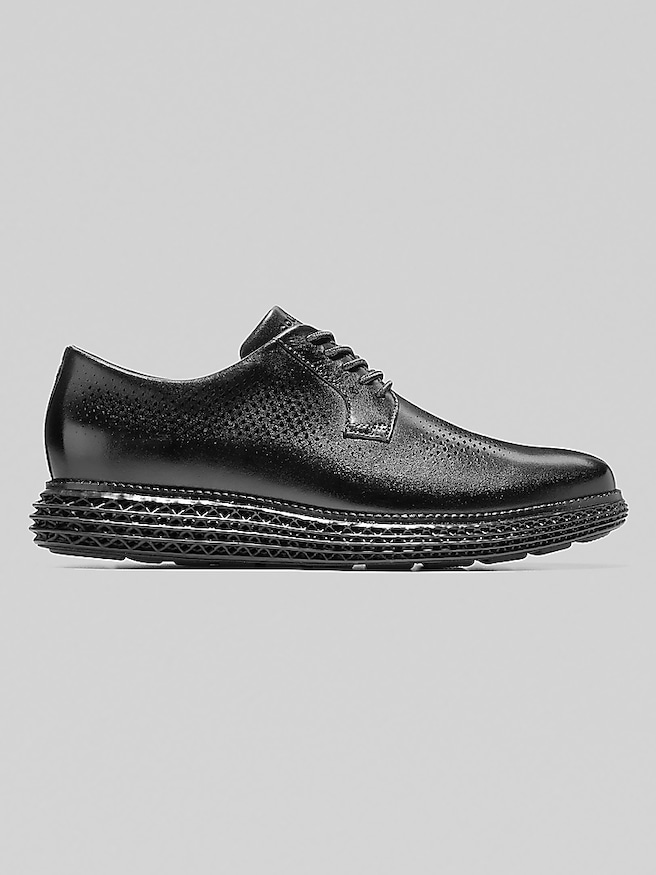
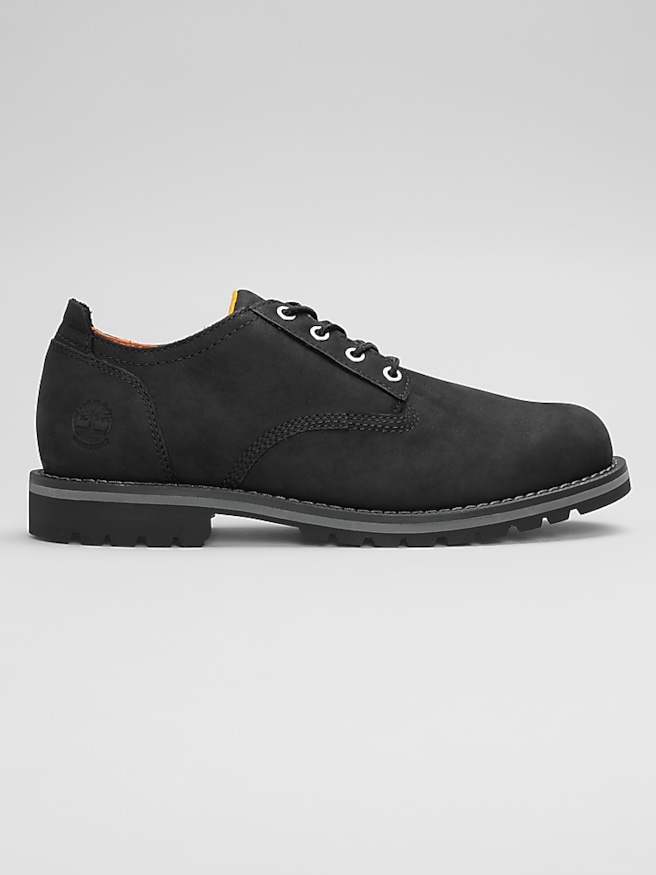
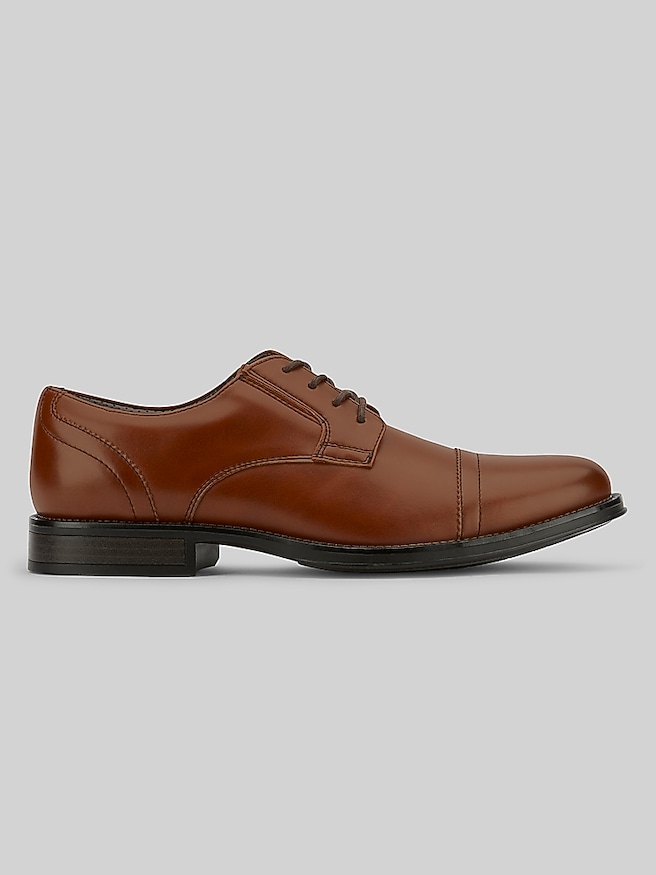
Men’s oxford dress shoes bring a clean, composed finish to tailored clothing without demanding an elaborate outfit. Their familiar shape—a low profile, lace-up front, and neatly defined toe—works with everything from a business suit to dress trousers and a tucked-in button-down. The appeal is especially clear on days that involve several settings: a morning presentation, lunch with a client, and an evening celebration can all call for footwear that looks polished without feeling overly ceremonial. Smooth leather offers a traditional appearance, while lightly textured leather can add depth and make small surface marks less noticeable. Materials matter beyond appearance, too. Leather uppers generally develop creases where the foot bends, and that natural movement becomes part of the shoe’s character. Suede has a softer, more relaxed look but requires its own cleaning tools and a little more attention around spills. Linings also influence the experience, since the surfaces touching the foot affect breathability and friction. A restrained toe shape is particularly versatile: a gently rounded or softly tapered profile usually sits comfortably beneath the hem of tailored pants without looking exaggerated. Black dress shoes create a crisp foundation for charcoal, black, and many navy outfits. Brown shades introduce warmth and pair easily with navy, gray, olive, and tan, although the formality of the occasion should help determine the final combination. A plain toe keeps the overall effect quiet, while a cap toe introduces a subtle visual boundary across the front. Decorative perforations add more texture and personality. Those details can make a meaningful difference when a wardrobe contains mostly solid suits and shirts, giving a familiar outfit a distinct finish without adding a bold pattern. For graduation ceremonies, wedding receptions, business dinners, or everyday office wear, the strongest choice is often the shoe whose shape and finish complement the clothing already worn most frequently.
Comfort in an oxford-style dress shoe depends on the relationship between fit, construction, and intended use, rather than on a soft footbed alone. The heel should feel secure during an ordinary walking stride, with enough room through the forefoot for toes to rest naturally instead of pressing against the upper. A shoe that looks sleek on the outside should not require the foot to curl or squeeze inside. Some extra space beyond the longest toe can be normal in a tapered dress-shoe shape, so length is only one part of assessing fit. Width, instep volume, heel shape, and the position of the foot’s bending point all matter. Dress socks also take up space and change how the lining feels, making the intended sock weight relevant to sizing. Sizing can vary across footwear shapes and manufacturers; an athletic-shoe size does not automatically translate into the same fit in a dress shoe. Leather may soften with wear, but persistent pressure against the toes or sides should not be treated as something that cushioning will solve. Underfoot construction deserves equal attention. A padded footbed can help soften contact with hard surfaces, while a supportive base and an outsole that flexes near the ball of the foot contribute to a more natural stride. Rubber outsoles often appeal to anyone moving between office corridors, parking lots, and sidewalks because they can provide useful grip and a quieter step. Leather outsoles offer a traditional dress-shoe finish, though their feel and traction differ from rubber. Neither material alone determines how comfortable a shoe will be through a long event. Someone seated for much of the workday may prioritize a refined profile, while a wedding guest standing through a ceremony and reception may place greater emphasis on cushioning, stability, and forefoot room. Thoughtful proportions help visually as well: trousers with a clean hem allow the shoe’s shape to show without fabric bunching heavily over the laces.
Good care preserves the finish of dress shoes and helps their structure hold up through repeated wear. Surface dust and grit can dull leather, so a soft brush or clean cloth is useful for routine maintenance. Smooth leather generally benefits from an appropriate conditioner used sparingly, along with polish suited to its color and finish; testing a small, discreet area helps avoid an unexpected change in tone. Suede calls for a dedicated brush rather than ordinary leather polish. If shoes become damp, gentle air-drying away from direct heat helps protect the material from excessive drying and distortion. Shoe trees can help support the uppers between wears, while a shoehorn reduces repeated pressure on the heel when putting shoes on. Alternating pairs also gives the interior time to dry between uses. Durability depends on more than the upper: the edges of the sole, the heel surface, stitching, and areas where the foot flexes all reveal how a shoe is wearing. Addressing a worn heel or loose component early can prevent a small issue from affecting the way the shoe sits underfoot. The care involved is manageable, and it supports the polished appearance that makes dress footwear useful across so many occasions. Styling can remain equally straightforward. A leather belt in a similar color family creates continuity without requiring an exact shade match, and socks that relate to the trousers help maintain a smooth visual line. The understated look of a plain toe offers a useful contrast to the more decorative direction represented by Cole Haan Original Grand Wingtip Oxford. That distinction is worth considering when choosing between minimal detailing and a more expressive finish. Dress shoes can also make a thoughtful gift for a graduate, a new professional, or someone preparing for an important celebration, particularly when the recipient’s fit preferences are already known. Lasting usefulness comes from a combination of comfortable proportions, suitable materials, and styling that feels natural with the wearer’s wardrobe, not simply from how formal a shoe appears on its own.