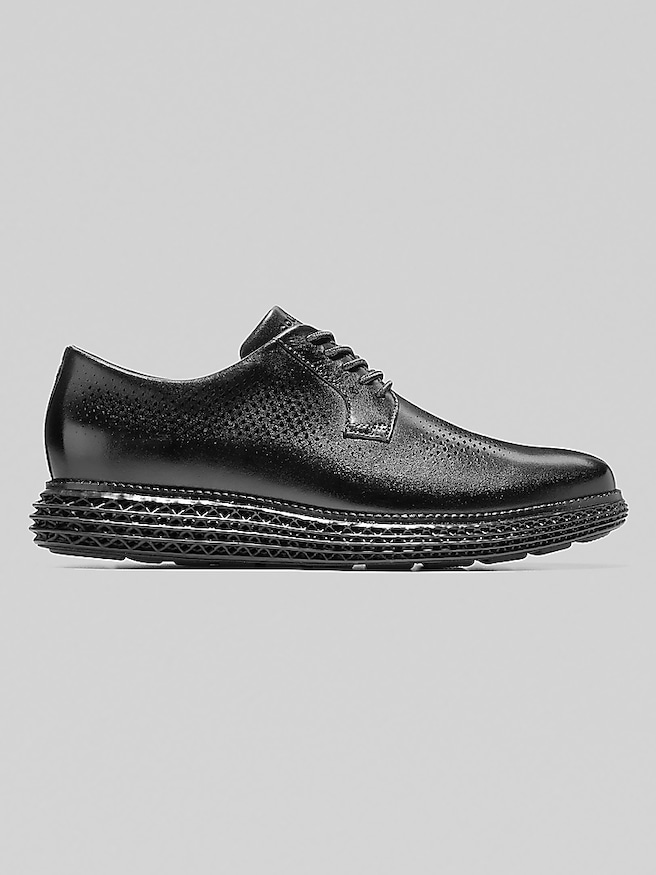
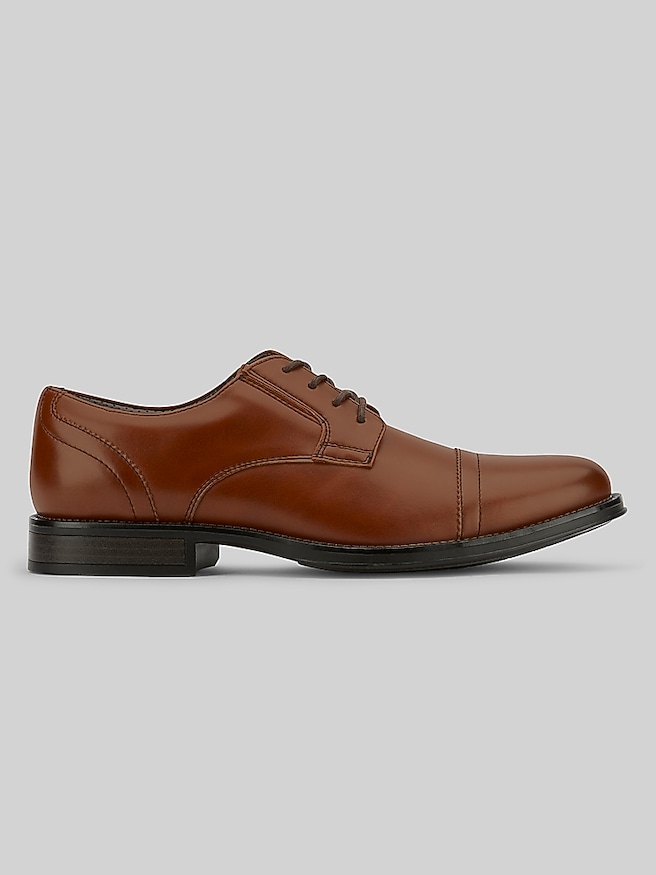
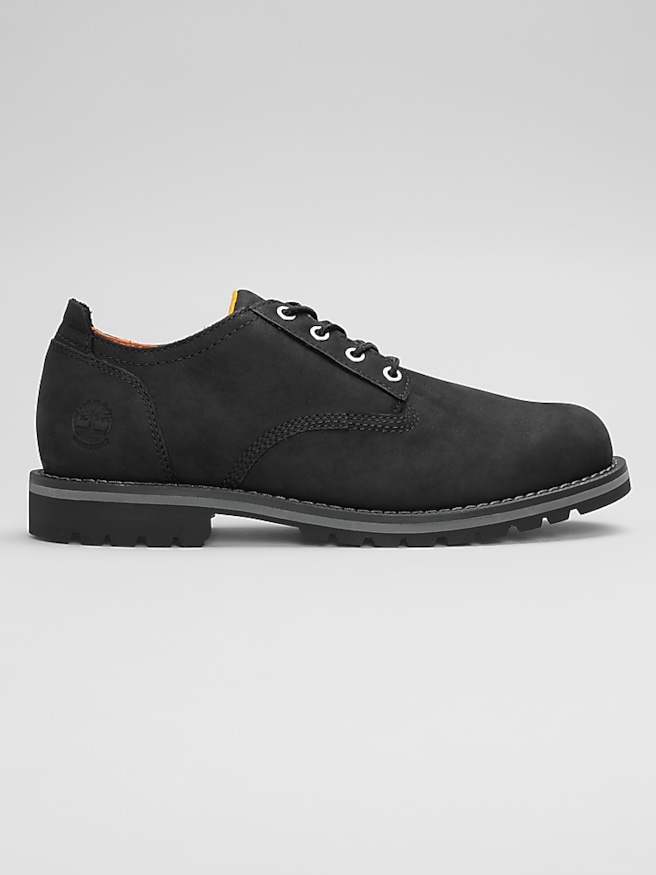
Brown wingtip shoes combine a distinctive W-shaped toe design with a versatile color that works naturally alongside tailored clothing and polished casual outfits. The pointed center of the toe panel extends toward the laces, while its curved edges sweep along the sides, creating the winglike shape behind the name. Many versions also feature broguing, the decorative perforations that give the leather depth and visual interest. These details distinguish wingtips from plain-toe shoes without requiring a bright color or an elaborate outfit. For shoppers exploring Cole Haan Shoes, brown wingtip styling offers a useful connection between traditional dress-shoe character and a more relaxed approach to getting dressed. The silhouette alone does not determine how a shoe feels: some interpretations have structured uppers and traditional-looking soles, while others incorporate cushioning, flexible construction, or sport-influenced outsoles. Those differences can make two similar-looking pairs feel quite distinct over a full day. Brown also covers a broad spectrum, from lighter tan and warm cognac tones to deeper chocolate shades. A lighter finish creates a noticeable contrast against navy trousers, while a darker brown can feel quieter and more formal with charcoal or medium gray. Subtle variations in grain and finishing can add richness without making the shoe difficult to coordinate. With a navy suit, brown wingtips create a familiar combination suited to many offices, daytime celebrations, and wedding guest outfits. With chinos and an open-collar shirt, the same decorative details add structure to an otherwise relaxed look. Dark, clean-lined jeans can also work when the setting allows casual clothing. The overall impression depends on the whole shoe: a slim profile and understated sole usually read dressier than a substantial, contrasting outsole. Keeping the trousers neatly finished helps the wingtip pattern remain visible rather than disappearing beneath excess fabric. A brown leather belt in a related tone can bring the outfit together, though the colors do not need to match with paint-swatch precision. Similar depth and warmth generally create a more natural result.
Materials and construction shape both the appearance and the everyday usefulness of brown wingtip shoes. Smooth leather emphasizes the sweep of the toe panels and can develop a subtle patina with wear, while textured leather gives the surface additional dimension. Suede, where used, produces a softer, more casual effect and requires a different care routine from polished leather. Material descriptions matter because leather, suede, and synthetic components respond differently to conditioners and cleaners. The lining and footbed also influence the experience inside the shoe, especially when it will be worn through a commute, a workday, and dinner afterward. Cushioning may soften the feeling underfoot, but it does not compensate for a shoe that pinches across the forefoot or allows the heel to slide excessively. A comfortable fit leaves room for the toes to rest naturally while holding the midfoot securely. The widest part of the foot should sit comfortably within the widest part of the shoe, without obvious pressure along the edges. Trying shoes with the socks intended for regular wear gives a more realistic sense of space than switching between very thin dress socks and thicker casual pairs. There should be no need to curl the toes or depend on a painful break-in period to make an unsuitable fit workable. Lace construction adds another distinction. Oxfords have closed lacing, with the eyelet sections attached beneath the front portion of the upper, producing a relatively streamlined appearance. Derbies use open lacing, with the eyelet sections attached on top, which can offer more adjustment across the instep. Wingtip detailing can appear on either construction; it describes the toe design rather than the lacing system. For someone who spends much of the day moving between meetings, a secure heel, comfortable forefoot, and manageable shoe weight may matter as much as the finish. For occasional dress wear, the shoe still needs to feel balanced while walking and standing, not simply look good while seated.
Lasting appeal comes from choosing brown wingtips for their intended use and caring for their particular materials. A pair intended for frequent office wear benefits from construction that feels stable and a sole suited to regular walking. A pair chosen primarily for celebrations may place greater emphasis on a sleek shape and a finish that complements tailoring. Neither purpose makes decorative perforations a performance feature: broguing contributes character, but cushioning, flexibility, traction, and durability depend on the rest of the construction. Outsole patterns, attachment methods, upper materials, and the amount of wear all affect how shoes hold up over time. Some constructions allow professional resoling, while others are better suited to more limited repairs, so repairability should not be assumed from appearance alone. Routine attention helps preserve the details that make brown leather attractive. Surface dust can be removed with a soft brush or cloth before it settles into seams and perforations. Smooth leather may benefit from an appropriate conditioner and a compatible polish, with any treatment tested first in an inconspicuous area because brown finishes can deepen or change unevenly. A light application is usually easier to control than a heavy buildup around the wingtip pattern. Suede calls for tools and treatments intended for its nap rather than conventional leather polish. Allowing shoes to air between wears and using properly sized shoe trees can help manage interior moisture and maintain their shape. Direct heat is best avoided, and storage should give the uppers enough space to prevent crushing or scuffing. Brown wingtips can also make a thoughtful gift for a graduate entering a professional setting, a partner refreshing a work wardrobe, or someone who enjoys classic footwear with visible craftsmanship. Knowing the recipient’s usual size, width, preferred sole feel, and typical clothing makes that choice more personal. Whether worn with a carefully fitted suit or a familiar pair of chinos, their appeal rests in recognizable detailing, adaptable color, and a fit that makes dressing well feel straightforward.