Cold-weather caps help keep the head and ears warm, but the right level of coverage depends on the temperature, wind, moisture, and how much time is spent outside. A cap for a brisk walk to the train has a different job than one worn through an afternoon on the sidelines. Lightweight knits can be comfortable for active outings, while denser fabrics, insulating linings, and deeper ear coverage are useful for longer stretches in the cold. Materials make a noticeable difference in how a cap feels and performs. Wool provides insulation and can continue to offer warmth when damp, though it should not be mistaken for a waterproof barrier. Merino wool generally has a finer, softer feel than coarser wool, making it worth considering for close contact with the forehead and ears. Acrylic offers a wool-like appearance and is often straightforward to care for, while blends combine fibers to balance softness, shape retention, and durability. Fleece feels soft against the skin and dries relatively quickly, making it a practical lining or main fabric for everyday use. Cotton can feel comfortable in mild conditions, but it absorbs moisture and dries slowly, which makes it less suited to prolonged cold or wet exposure. Construction matters alongside fiber content: a loose, airy knit allows more airflow than a tightly knit fabric, and a wind-resistant layer can help limit the chill that passes through ordinary knit stitches. Water resistance is useful in light precipitation, but it is not the same as waterproof protection, especially during steady rain or wet snow. For anyone moving between a heated train, a windy platform, and a few blocks on foot, a cap that is easy to remove and tuck into a coat pocket offers everyday convenience. Warmth should feel comfortable rather than excessive; a heavy cap that leads to sweating may be less useful for a fast-paced walk than a lighter style that lets heat and moisture escape.
Fit determines whether that warmth stays where it is needed. A cold-weather cap should sit securely without leaving a deep mark across the forehead, pulling at the temples, or repeatedly sliding over the eyes. Stretch-knit construction accommodates some variation in head size, but the depth of the crown and the firmness of the edge can change the fit substantially. A shallow cap may leave the lower ears exposed even when the circumference feels right. A deeper silhouette offers more room to pull the fabric down, while a folded cuff adds another layer around the forehead and ears. The cuff also allows small adjustments to coverage, which can be useful when the same cap is worn for both a short commute and a longer outdoor gathering. Seams, labels, and lining edges deserve attention because they sit close to the skin; a soft inner surface can make a considerable difference over several hours. Hair volume and texture also affect how a cap settles, so a little extra crown room may feel more comfortable than an especially close fit. Structured caps offer a more defined silhouette, while simple knit shapes fold easily for travel and everyday carrying. Brimmed designs can help shade the eyes from low winter sunlight, though a brim alone does not provide ear protection. Color and texture help connect a practical accessory with the rest of an outfit. Charcoal, navy, black, and brown work easily with tailored outerwear, while a ribbed knit can bring texture to a smooth wool coat. Muted green or burgundy adds color without overwhelming a neutral outfit. For a morning spent walking from a parking garage to the office, a compact profile can look neat with a topcoat and scarf. For watching a game from the bleachers or taking a long neighborhood walk, fuller coverage may matter more than a streamlined shape. The most useful choice fits both the person wearing it and the setting where it will spend the most time.
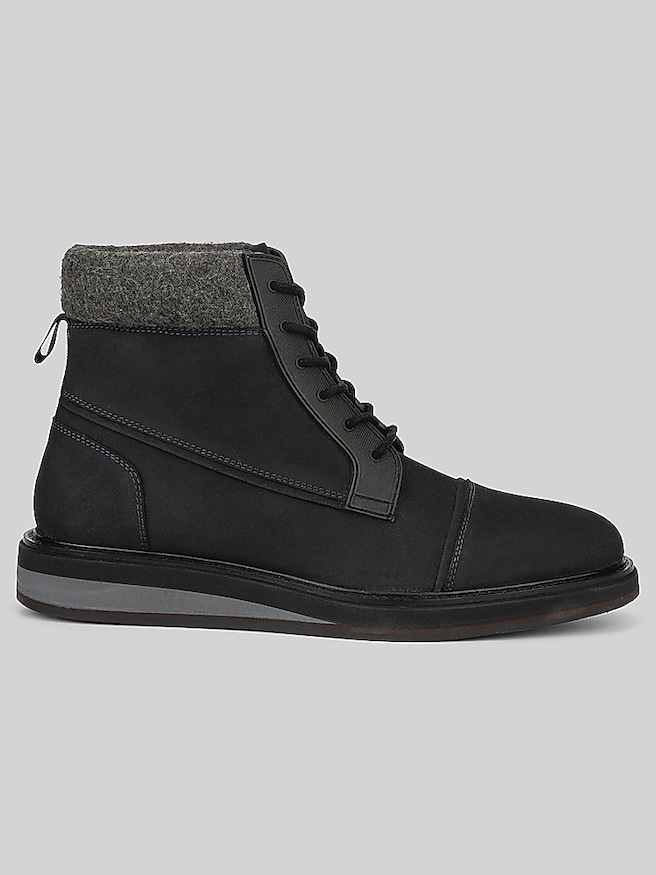
Consistent care helps cold-weather caps retain their shape, surface texture, and comfortable fit. The care label is the best starting point because fiber blends, linings, trims, and construction can call for different treatment even when two caps look similar. Some knits tolerate machine washing on a gentle cycle, while others require hand washing or professional cleaning. Hot water and high dryer heat can shrink certain fibers or distort the fit, so cooler washing temperatures and air drying are often appropriate when the label allows them. After washing, gently pressing out moisture rather than twisting the fabric helps avoid stretching; reshaping a knit cap and drying it flat can preserve the crown and cuff. A damp cap should be allowed to dry thoroughly before being tucked into a drawer, bag, or coat pocket. Between cleanings, airing it out helps release everyday moisture, and removing lint or surface debris keeps the finish looking tidy. Some pilling is normal where knitted fibers rub against collars, bag straps, or seatbacks; careful use of a fabric tool suited to the material can improve the surface without aggressive pulling. Durability also comes from choosing a construction suited to the routine. A soft, loosely knit cap may need gentler handling than a denser knit, especially around hook-and-loop fasteners or rough hardware. As a gift, a cap is most personal when it reflects the recipient’s habits: an easy-folding style for a frequent traveler, generous ear coverage for someone who spends hours outdoors, or a refined texture for someone who wears tailored coats. Familiar colors and a comfortable, forgiving fit can make it easier to incorporate into an existing wardrobe. Pairing headwear with outerwear, gloves, and Cold Weather Shoes creates a coordinated approach to dressing for cold conditions without requiring every piece to match exactly. Thoughtful fabric choices, dependable coverage, and simple care make a cap a useful finishing touch for ordinary errands, daily commutes, and unhurried time outside.