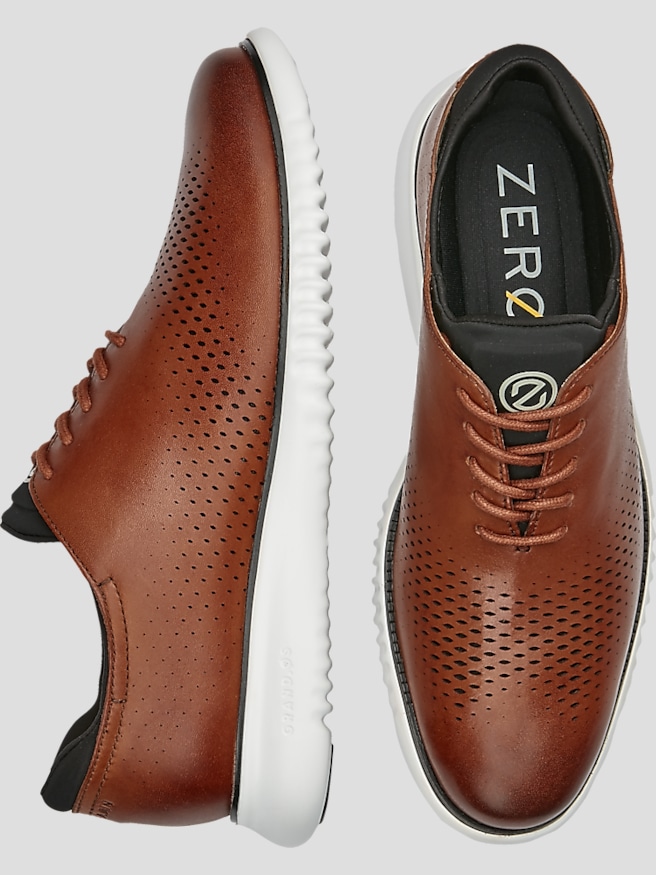
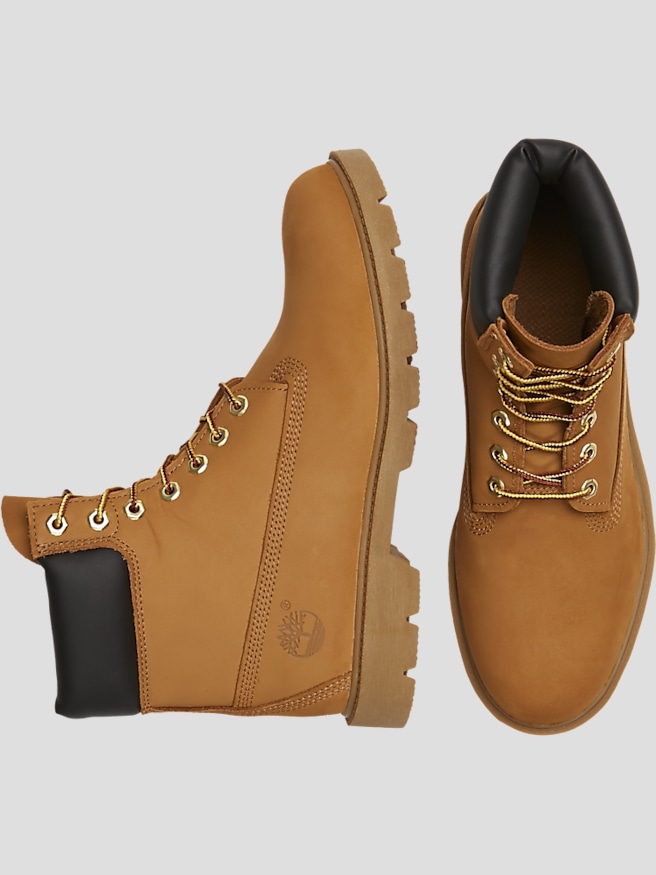
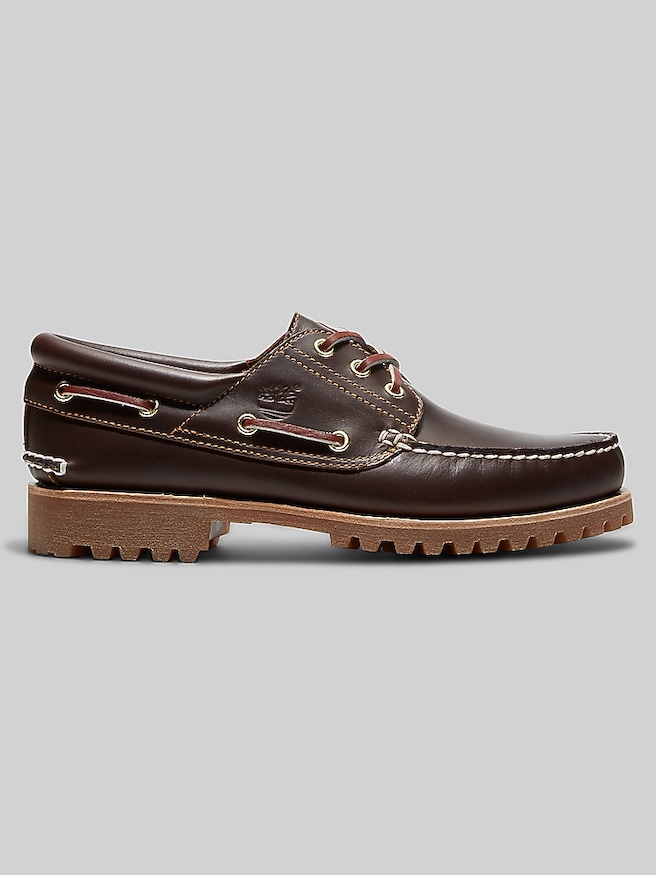
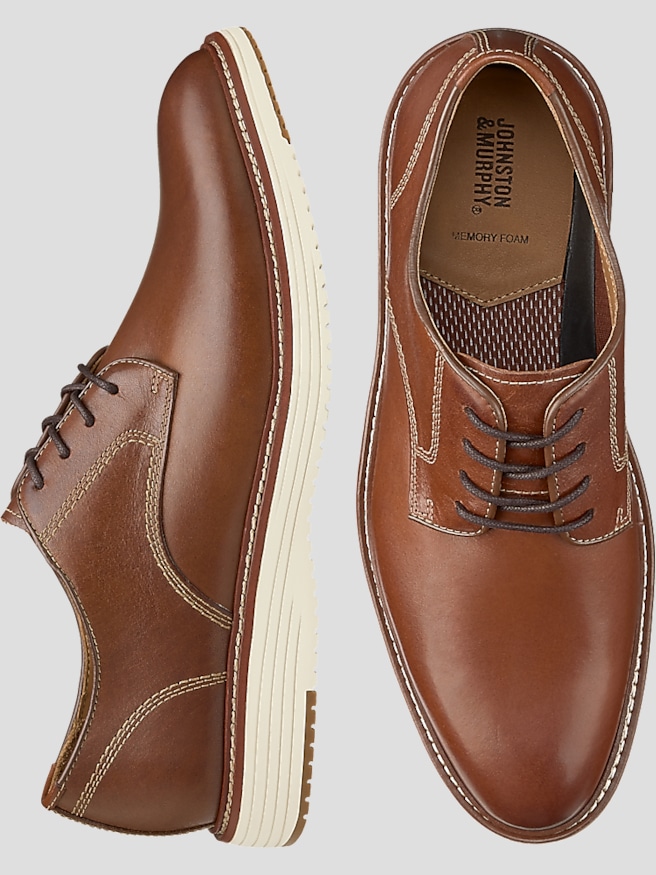
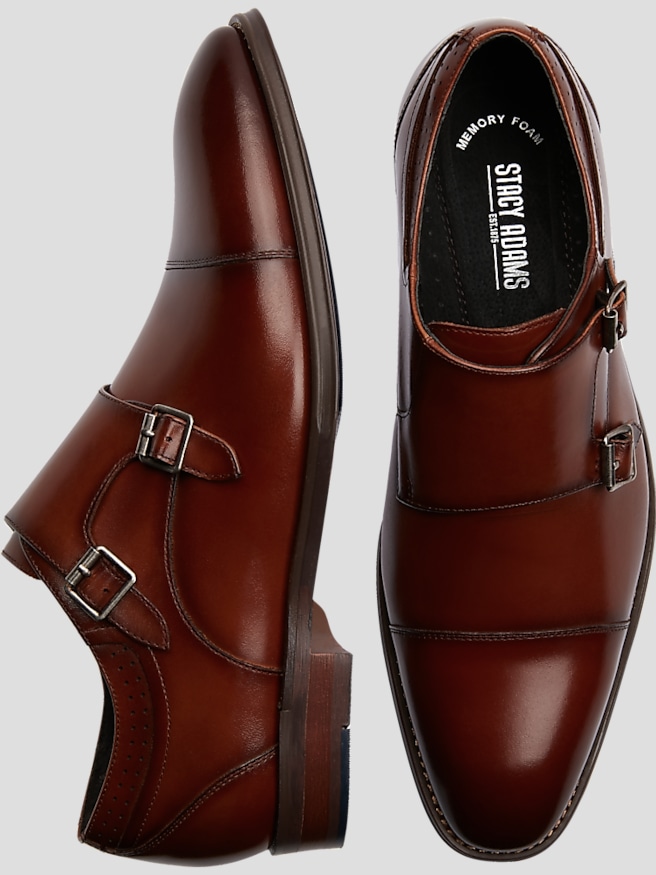
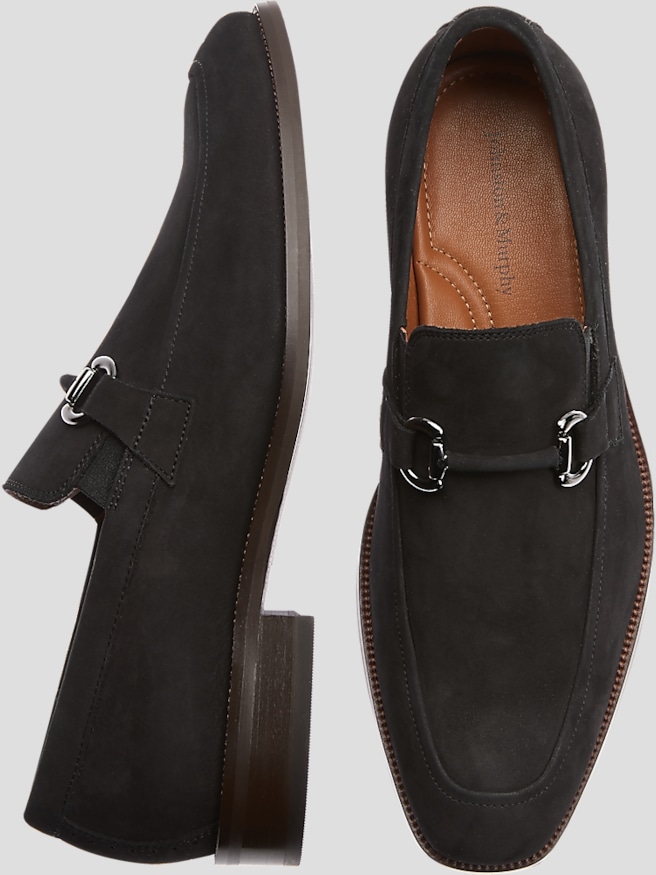
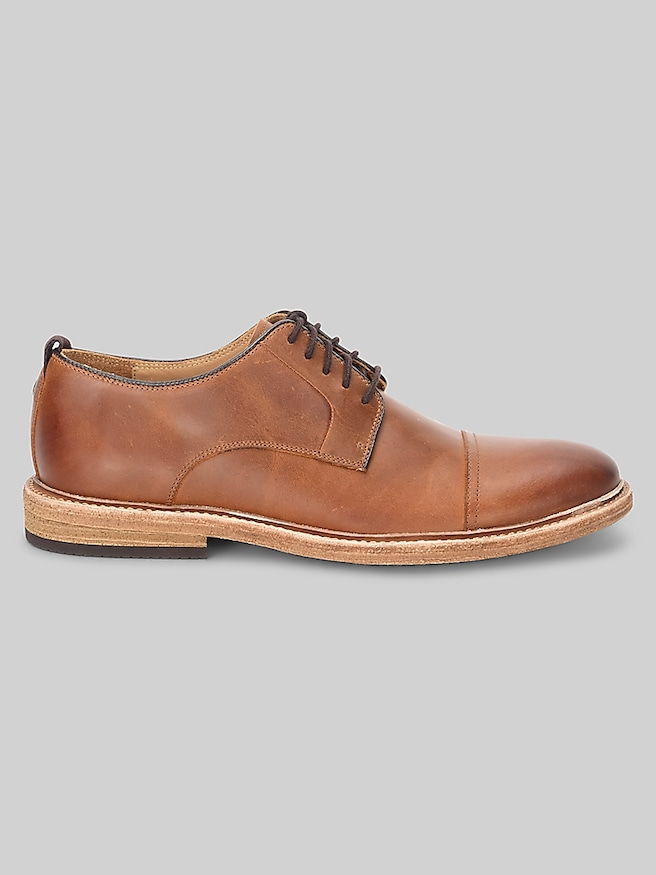
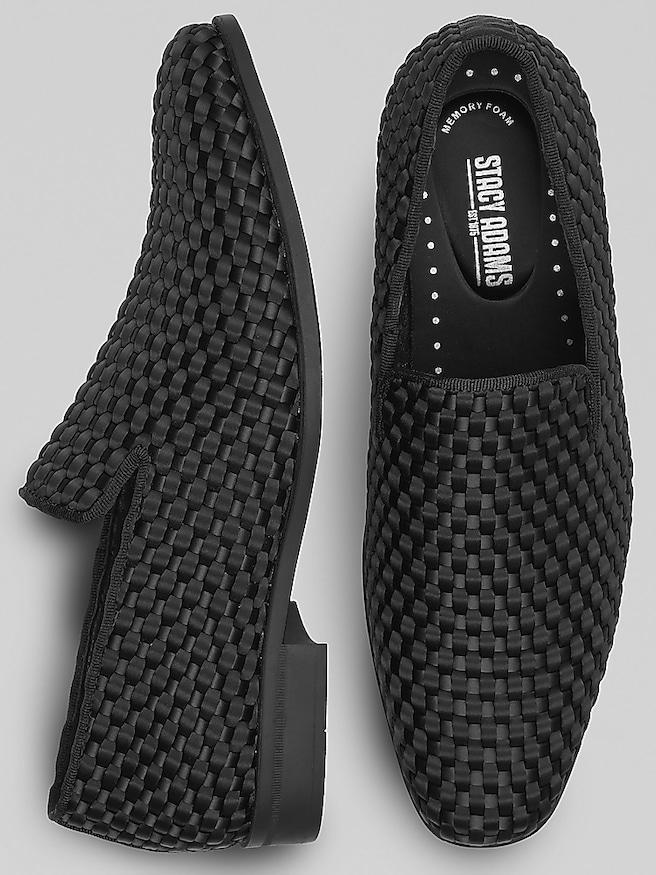
Cognac loafers are slip-on shoes defined by a warm, medium-brown color with amber, copper, or reddish undertones. The shade has more depth than light tan and a brighter presence than dark chocolate brown, giving familiar outfits a distinct point of contrast without relying on bold patterns. On smooth leather, cognac can highlight subtle grain and shaded edges; on suede, it takes on a softer, more muted appearance. The loafer’s open ankle and lace-free upper keep the silhouette clean, making it a natural companion to tailored trousers, chinos, and dark-wash jeans. Penny loafers feature a strap across the instep with a small central opening, while tassel loafers add movement and a more decorative finish. Metal-bit details lend another interpretation, bringing a small metallic accent to the upper. Shape matters as much as ornament: an elongated toe tends to look dressier, while a rounded moccasin toe feels more relaxed. Cognac pairs especially well with navy, medium gray, olive, cream, and beige because its warm undertones create an appealing contrast with cool shades and blend easily with earthy neutrals. With a navy suit, a slim leather loafer can make an office outfit feel less rigid; with olive chinos and a tucked-in button-down, the same color brings polish to a dinner reservation or a family gathering. Dark denim with a clean hem offers another straightforward pairing, particularly when the shoes have restrained detailing. Trouser length helps determine the effect. A hem that rests lightly near the top of the shoe keeps the profile visible, while excess fabric can obscure the vamp and make the outfit look heavier. A cognac belt can tie the look together, though the leather tones do not need to match perfectly. Similar warmth and a comparable level of polish usually create a more natural result than an exact color match across every accessory. The appeal is a shoe color that feels expressive but remains easy to repeat throughout an everyday wardrobe.
Materials and construction influence how cognac loafers look, flex, and feel over hours of wear. Smooth leather offers a defined surface that can be brushed and polished, making it well suited to office clothing and tailored separates. Full-grain leather retains the hide’s natural surface character, while other finishes may produce a more uniform appearance; the quality of the leather and the care it receives matter more than a label alone. Suede has a textured nap that softens the color and works particularly well with cotton trousers, denim, and less structured jackets. It requires its own cleaning tools rather than the creams used on smooth leather. Inside the shoe, a smooth lining and neatly finished seams can help reduce friction, while cushioning and arch support vary by construction. Leather outsoles often have a sleek profile, though they can feel firm at first and may offer limited grip on slick surfaces. Rubber soles can add traction and flexibility, with the tread and thickness affecting both performance and appearance. Driving-style loafers typically emphasize flexibility and a close-to-the-foot feel, but their small rubber pads may be less suited to extensive sidewalk wear than a substantial walking sole. Fit deserves particular attention because laces are not there to adjust the hold. A well-fitting loafer should feel secure across the instep without pinching, leave room for the toes to lie naturally, and keep the heel from lifting excessively. A little movement at the heel can occur in a new shoe, but repeated slipping or toe gripping suggests that the size or shape is not right. Leather may soften with use, but painful pressure is not a reliable path to a good fit. Trying loafers with the socks intended for regular wear gives a more useful impression than trying them barefoot. Thin dress socks create a smooth line under tailored trousers, while well-fitting no-show socks preserve the open-ankle look and provide a barrier between the foot and the lining. For someone moving between a desk, a commute, and an evening event, secure fit and appropriate sole construction matter just as much as the color.
Cognac loafers can fill several roles, from a polished everyday shoe for a business-casual office to a thoughtful gift for someone building a more versatile wardrobe. A graduate starting a job, a partner who enjoys tailored clothing, or a father who prefers slip-on shoes may appreciate their balance of character and practicality, provided the size and preferred fit are known. Their suitability for an occasion depends on the entire design, not simply the leather color. A streamlined penny loafer with a low-profile sole can complement a suit at a daytime wedding when the dress code allows, while a softly constructed moccasin style belongs more naturally with casual separates. Traditional business-formal settings may call for a lace-up shoe instead, and black-tie attire generally requires more formal footwear. For a similarly warm shade in a closed-lacing silhouette, Cognac Oxfords offer a useful point of comparison. Keeping loafers looking sharp starts with care matched to the material. Smooth leather benefits from dust removal with a soft brush or cloth, followed by occasional conditioning with a compatible product used sparingly. Cognac shades vary, so testing cream or polish on an inconspicuous area helps avoid an unexpected color change. Neutral polish can add shine without introducing another pigment, although any treatment may alter the finish. Suede generally needs a dedicated brush and, for small marks, a suede eraser used gently. Manufacturer care directions should take priority, especially for specialty finishes. After wear, allowing shoes to air out before storing them helps the lining dry naturally; cedar shoe trees can support the shape and absorb some residual moisture. Alternating pairs reduces repeated stress on the same leather and soles. If the shoes become damp, letting them dry away from direct heat helps protect their shape and surface. Periodic attention to worn heels, loose stitching, and thinning soles can also prevent a small problem from becoming more substantial. With suitable care, cognac leather may develop subtle variations in tone that add character while preserving the clean appearance that makes these loafers so adaptable.