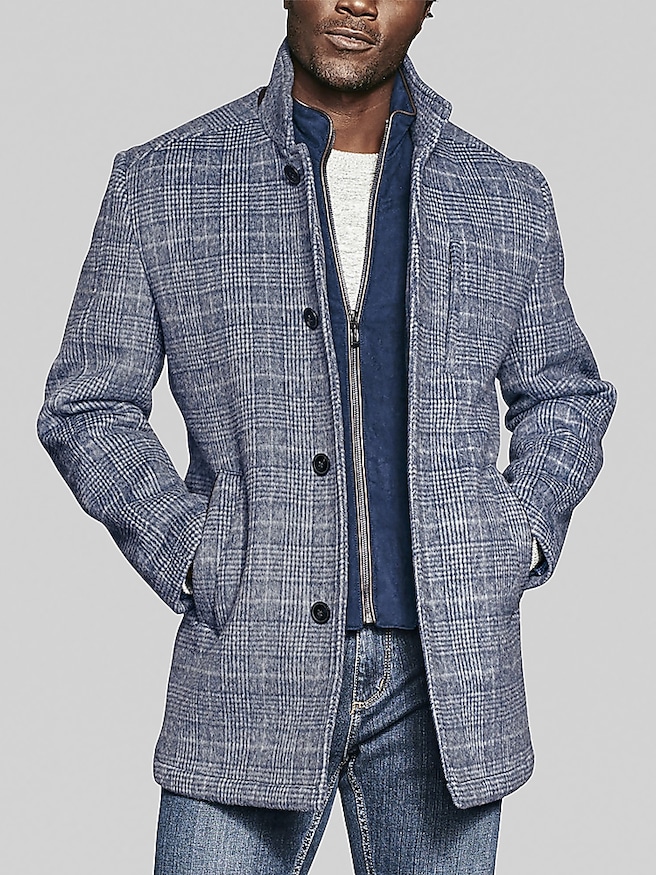
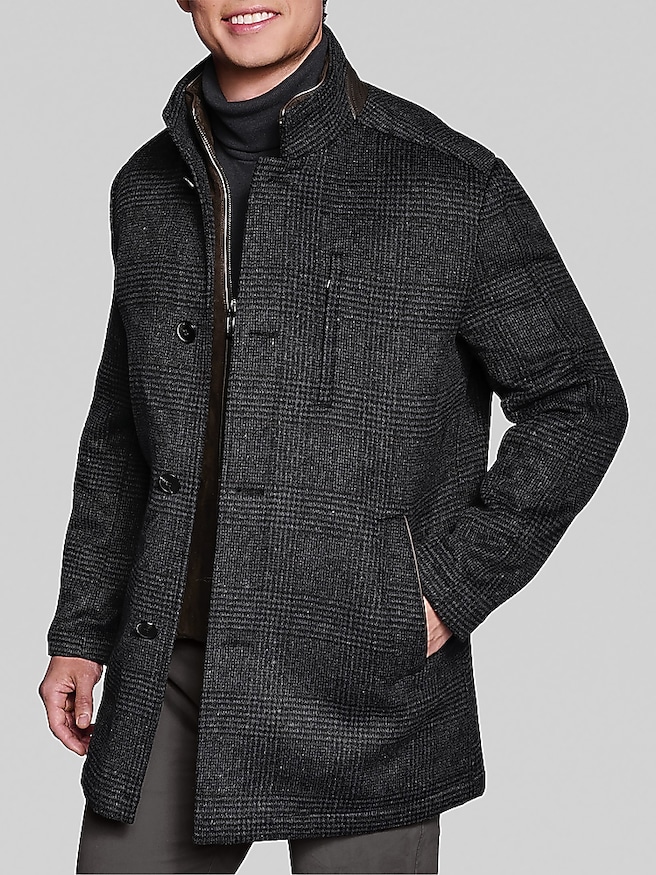
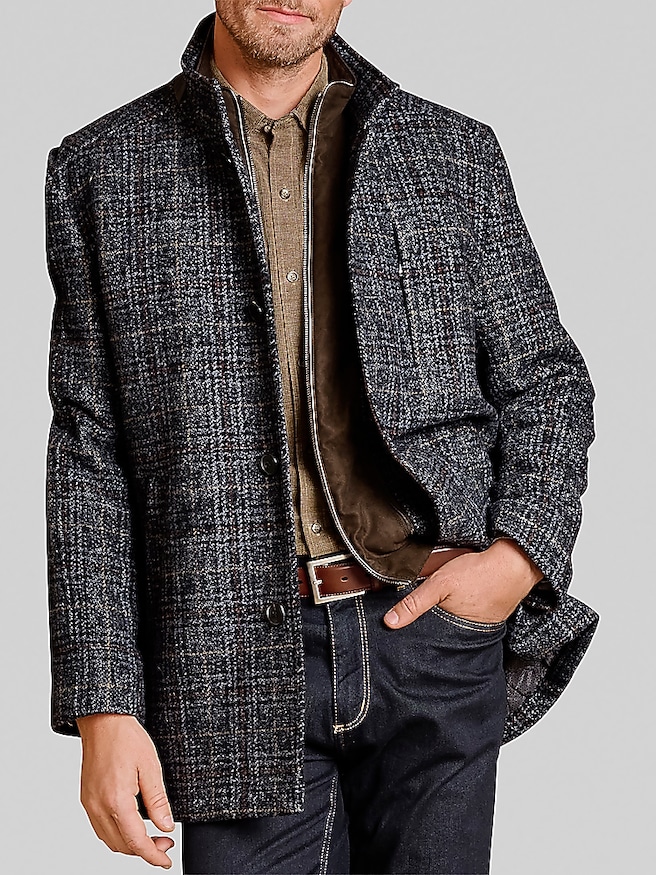
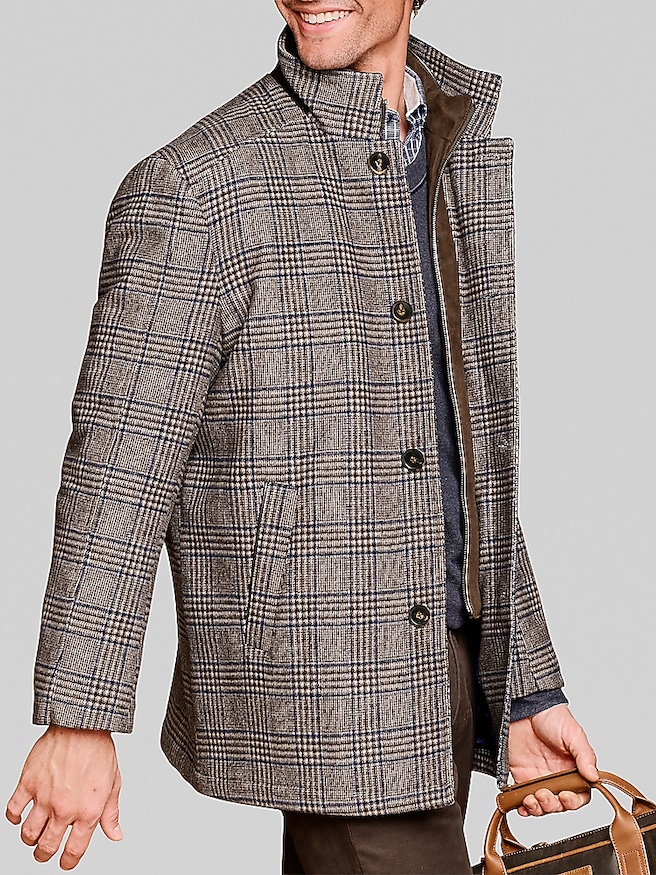
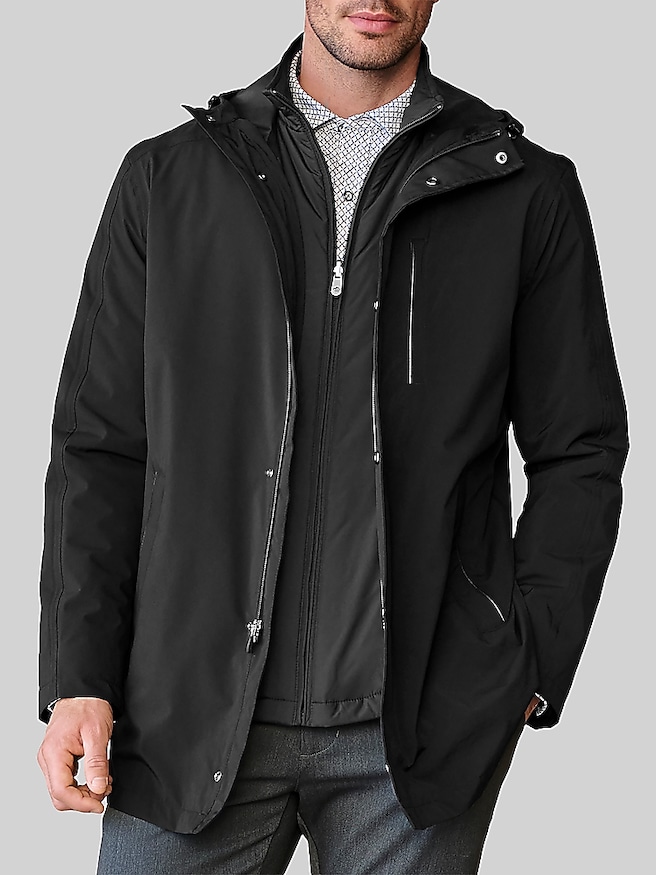
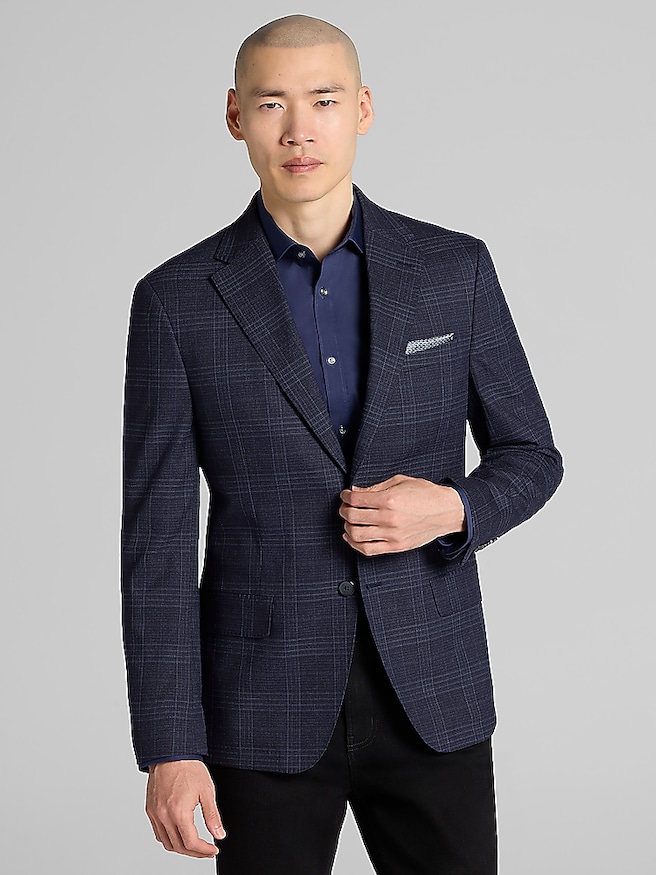
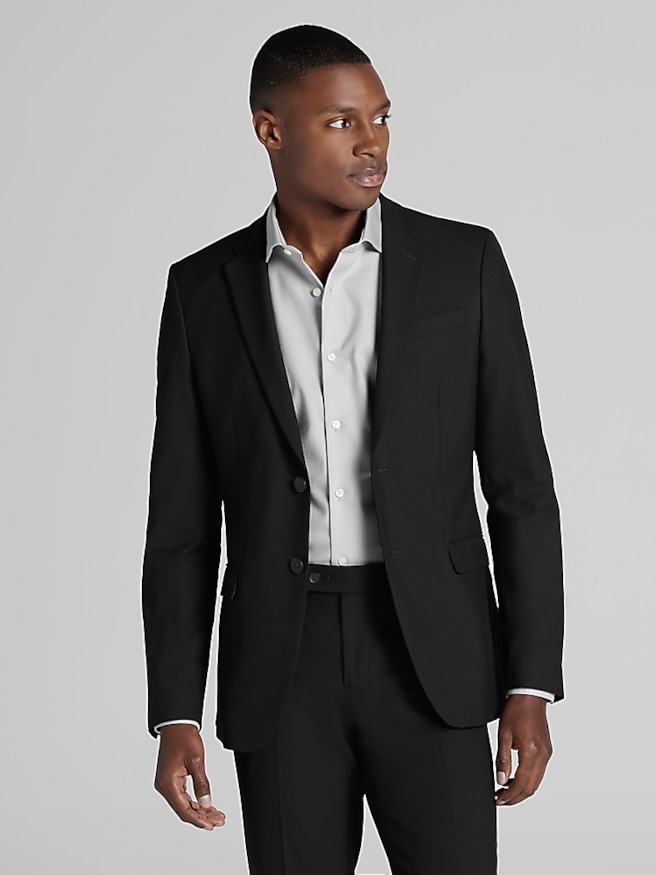
Coats for work give professional clothing a finished outer layer, with the shape, length, and fabric helping set the tone before a meeting begins. For office settings, the most useful styles balance a polished appearance with enough room to move comfortably over the clothes underneath. A tailored coat can sit neatly over a suit, while a less structured silhouette can complement chinos, knitwear, and an open-collar shirt without making the outfit feel overly formal. The distinction often comes down to proportion: defined shoulders and a clean front create a sharper outline, while softer construction gives everyday business attire a more relaxed finish. Length matters just as much. A coat worn over a suit generally looks most intentional when its hem covers the suit jacket, keeping the layers visually orderly instead of leaving competing edges exposed. Longer silhouettes also create a continuous line over tailored trousers, while shorter cuts can feel less cumbersome for someone who spends much of the commute seated. Neutral colors such as navy, charcoal, black, and camel work across a broad professional wardrobe, though each has a distinct effect. Dark shades tend to blend into formal business clothing; camel and medium gray introduce contrast without requiring a bold pattern. Subtle texture can add interest when the rest of an outfit is straightforward. For someone moving between a desk, client appointments, and a business dinner, restrained details often make a coat easier to wear across those settings. A simple collar, balanced lapels, and unobtrusive pockets allow the clothing underneath to remain part of the overall impression. These considerations apply to professional outerwear rather than specialized protective workwear. Jobs with required safety equipment, visibility standards, or exposure-specific clothing call for garments that meet the employer’s stated requirements; a tailored office coat is not a substitute. Within a business wardrobe, the goal is a layer that looks appropriate at the entrance and feels practical throughout the journey there.
Fabric and construction influence how a work coat hangs, feels, and holds its shape with repeated use. Wool is valued for its natural drape and recovery, making it well suited to the clean lines of tailored outerwear. Wool blends can combine that character with other fibers, but the percentages alone do not tell the whole story: fabric weight, weave, finishing, and garment construction all affect the result. Cashmere can contribute a softer hand, while cotton fabrics often have a crisper, more casual appearance. Synthetic fibers may add resilience or support specific performance features, depending on the fabric and finish. Any claim about water resistance, stretch, or other technical properties should come from the garment’s stated specifications rather than assumptions about the fiber. A smooth lining helps a coat slide over jacket sleeves and knitwear instead of catching at the elbows. Secure buttons, even stitching, tidy seams, and reinforced pocket openings are useful details in a garment that will be handled repeatedly. Fit brings these elements together. The coat should accommodate the outfit normally worn to work, not just a thin shirt used for a quick fitting. Over a suit jacket, there should be enough ease through the upper back and chest to reach forward, carry a briefcase, or hold a transit rail without a hard pull across the shoulders. Fastened buttons should lie comfortably rather than creating pronounced diagonal tension lines. Sleeves need to work with the layers beneath them, and the collar should settle cleanly instead of standing away from the neck or pushing the jacket collar out of place. Extra room is useful only when it supports movement; excessive fabric through the body can make even a well-made coat look disconnected from the outfit. Someone who drives between appointments may appreciate a cut that sits comfortably across the lap, while a frequent pedestrian may place greater value on easy stride length and accessible pockets. Those everyday movements reveal more about practical fit than a still pose in front of a mirror.
Care habits help preserve the appearance of coats used throughout the workweek. The care label is the starting point because fabrics, linings, interfacing, and decorative details may need different treatment even when two coats look similar. Appropriate brushing can remove surface dust from some wool fabrics, while a suitable lint tool can tidy a dark coat before an important appointment. Spots deserve prompt attention according to the garment’s care instructions; aggressive rubbing or an improvised cleaning solution can leave a larger mark or alter the finish. Professional cleaning may be appropriate when the label calls for it, but unnecessary cleaning is not a replacement for careful everyday handling. A sturdy, shaped hanger supports the shoulders better than a thin wire hanger, and enough closet space helps prevent lapels and sleeves from being pressed into awkward folds. Emptying pockets after the commute also keeps keys, phones, and wallets from pulling on the fabric between wears. Pocket capacity is convenient, but carrying every daily essential in the coat can distort its line; a work bag often preserves a cleaner silhouette. For a compact professional wardrobe, versatility comes from compatibility rather than decoration. A coat that works over both a navy suit and gray trousers with a knit polo earns its place through repeated use, and understated hardware makes coordinating shoes and accessories less complicated. Scarves and gloves can add personal character without requiring a strongly patterned coat. A professional wardrobe may also extend to company celebrations or client dinners, where Party Wear Coats offer a related occasion-focused direction. For gifting, a work coat can mark a graduation, a new position, or a career milestone, especially when the recipient’s measurements, preferred fit, and workplace dress expectations are known. The strongest choice reflects the way that person actually dresses: structured and formal, relaxed and business casual, or somewhere between the two. Comfortable layering, dependable construction, and manageable care make a coat a lasting part of that routine rather than something reserved for an occasional entrance.