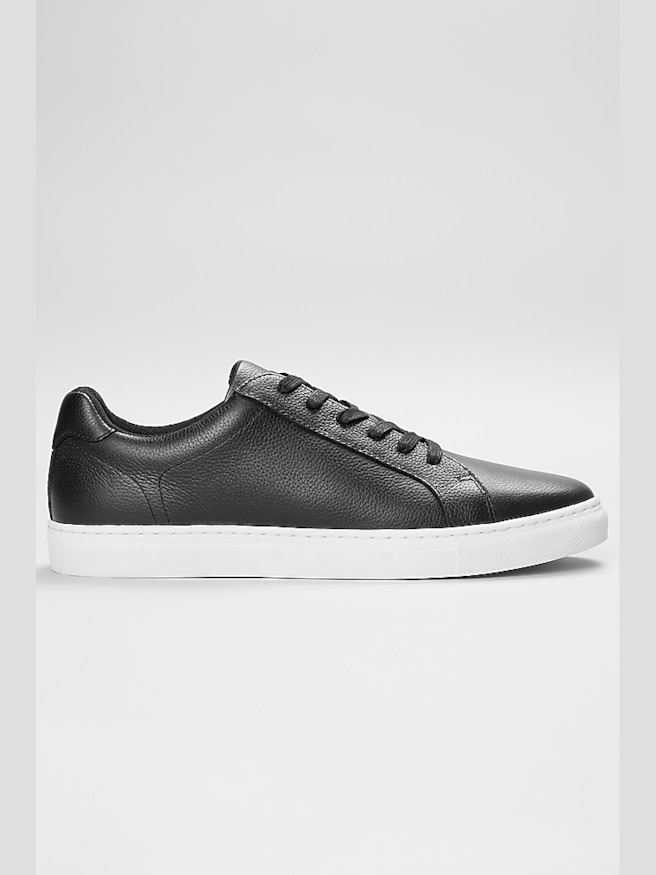
Men’s cloth shoes are casual footwear made with textile uppers, including cotton canvas, woven blends, jersey, and knit fabrics. Their appeal comes from a relaxed appearance and a construction that can feel lighter and more flexible than heavier footwear, depending on the lining, outsole, and reinforcements. Canvas has a recognizable woven texture that works naturally with denim, chinos, and casual trousers, while finer textiles can create a smoother, more understated finish. Breathability varies with the weave: an open knit generally allows more airflow than densely woven canvas with a substantial lining. Cloth shoes can take the form of lace-up sneakers, slip-ons, casual loafers, and textile oxfords, giving the category a range of uses without changing its easygoing character. A low-profile lace-up can look neat beneath straight-leg chinos for a casual office, while a soft slip-on suits a relaxed afternoon with friends or a short trip across town. For someone who prefers quiet details, a solid upper and a simple sole keep the focus on texture and shape. Contrast stitching, woven patterns, and a more substantial outsole add visual interest to an otherwise straightforward outfit. Darker cloth uppers pair comfortably with corduroy, heavier denim, and layered clothing during the cooler months; lighter neutrals can provide contrast without making the outfit feel tied to warm weather. The best choice depends as much on the setting as on the color. Cloth footwear generally belongs in casual or relaxed business-casual environments rather than occasions that call for formal dress shoes. An unstructured jacket, an Oxford shirt, and clean textile lace-ups can feel pulled together for a low-key dinner, provided the venue’s dress expectations allow casual shoes. For more footwear inspiration beyond textile styles, Cool Shoes For Men offers a related place to explore. Within the cloth category, the most useful distinction is often between a shoe chosen mainly for its appearance and one whose fit, cushioning, and sole also suit the hours spent wearing it.
Comfort in men’s cloth shoes starts with the relationship between the upper, the footbed, and the outsole. Soft fabric alone does not guarantee support, and a lightweight shoe is not automatically suited to a full day of walking. Cotton canvas often feels structured at first, while jersey and some knit fabrics can feel more yielding across the top of the foot. Reinforced toes and heel counters help hold the shoe’s shape, although their edges should not create pressure when standing or moving. A proper fit leaves room for the toes to move without allowing the foot to slide forward; the widest part of the foot should sit comfortably within the widest part of the shoe. The heel should feel secure, with no persistent rubbing or excessive lifting. Trying shoes on with the socks intended for everyday wear is especially useful as cooler weather brings thicker fabrics into the rotation. Lace-up closures allow adjustments across the instep, while slip-ons rely more heavily on their shape, elastic panels, or stretch openings to stay in place. Cloth may soften with wear, but a painfully tight fit should not be treated as something that will necessarily correct itself. Underfoot, foam cushioning can soften the initial feel, while the shape and firmness of the footbed influence comfort over longer stretches. EVA foam is commonly used to reduce weight and provide cushioning; rubber outsoles often contribute abrasion resistance and grip, with performance depending on the compound and tread. A smooth sole and a textured sole may behave quite differently on damp pavement, and ordinary casual footwear should not be assumed to meet workplace slip-resistance requirements. For a commute that includes several blocks on foot, secure heel hold and a stable base matter more than softness alone. For mostly seated office days or brief outings, a flexible, streamlined shoe may be enough. Anyone using an orthotic should check interior depth and whether the existing insole is removable rather than assuming every cloth style can accommodate an insert.
Care and durability depend on how cloth shoes are built, not simply on whether the upper is described as canvas or fabric. Close stitching, firmly attached trim, a well-bonded sole, and reinforcement at high-friction areas can help a pair stand up to regular use. Even sturdy canvas can wear through where it repeatedly rubs against the foot or creases sharply, so a secure fit and appropriate use contribute to longevity. For routine cleaning, let loose dirt dry, brush it away gently, and address marks with a soft cloth and a mild cleaning solution only when the care instructions permit. Test any cleaner on an inconspicuous area first, especially with dark dyes, contrasting panels, or mixed materials. Machine washing is appropriate only when the manufacturer specifically allows it; agitation and soaking can affect adhesives, linings, cushioning, and shape. Removable laces may be cleaned separately according to their care requirements, making it easier to reach the fabric around the eyelets. After cleaning, air-dry shoes away from direct heat, and use plain paper inside if needed to help maintain their shape. Avoid putting damp footwear beside a heater or into a dryer unless the care label expressly permits that method. Letting each pair dry fully between wears also helps manage moisture and keeps the interior more comfortable. Breathable cloth is not inherently waterproof, and dense canvas is no substitute for weather-protective footwear in persistent rain, slush, or snow. A fabric-safe protective treatment may help resist light splashes when approved for the material, but it does not turn a casual shoe into a winter boot. These practical boundaries make cloth shoes especially useful for dry-day errands, indoor gatherings, casual workplaces, and travel plans with moderate walking. They can also make a thoughtful gift for someone who enjoys uncomplicated footwear, particularly when their size, preferred width, and usual closure style are known. A familiar silhouette in a color that complements their everyday pants is often more useful than an unfamiliar shape. With a suitable fit, realistic expectations, and consistent care, men’s cloth shoes can become a dependable part of a casual wardrobe.