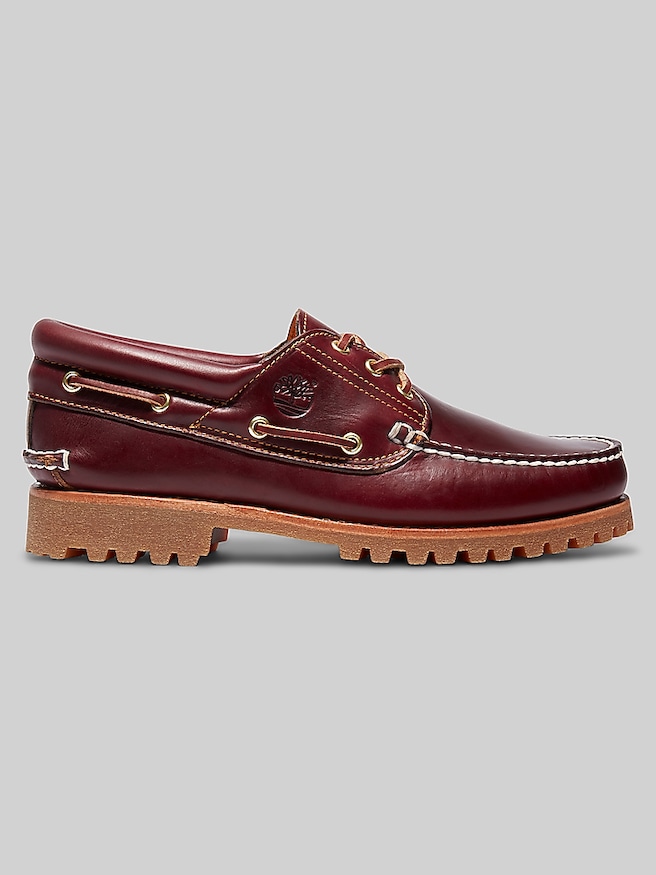
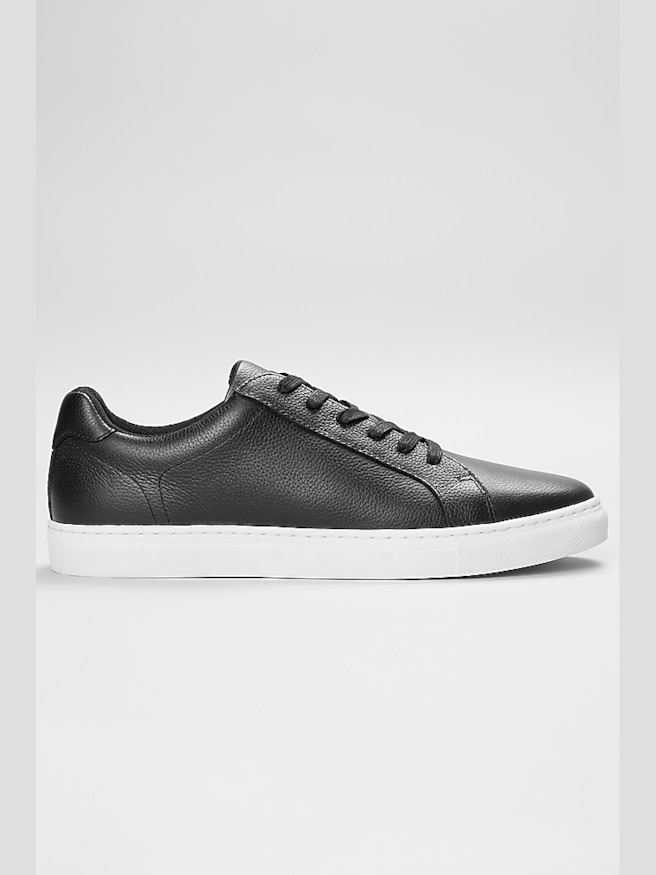
Cool shoes for men combine a distinctive look with a shape, feel, and level of polish that suit everyday life. That can mean retro-inspired sneakers with contrasting panels, minimalist leather low-tops, textured suede loafers, or dress shoes with a lightweight, sneaker-influenced sole. The common thread is balance: enough character to make an outfit feel intentional, without making the shoes difficult to wear. A streamlined sneaker gives dark jeans and a plain T-shirt a sharper finish, while a substantial sole can hold its own beneath relaxed trousers. Loafers bring texture and an easygoing quality to chinos, and lace-up leather shoes add definition to tailored pants. Color changes the effect just as much as shape. White and off-white create a crisp contrast, black keeps the look understated, and shades of brown, navy, and gray work comfortably with many wardrobe staples. Burgundy or a contrasting heel panel can provide a focal point without requiring a bold outfit from head to toe. Details such as perforations, stitching, a distinctive toe shape, or a textured outsole often supply all the personality a pair needs. Proportion matters, too: a slim shoe tends to complement a narrower pant opening, while a fuller silhouette feels more balanced with straight or relaxed legs. A hem that rests neatly above the shoe lets those details show rather than disappearing beneath excess fabric. For an office with a relaxed dress code, understated sneakers or loafers can look put together with chinos and a tucked-in shirt. Dinner plans might call for suede and dark denim, while a celebration with a more formal dress code generally calls for traditional dress footwear. Cool is not limited to a particular trend or age group. It is often the result of shoes that look at home with the clothing, the setting, and the person wearing them. A subtle design can be just as memorable as a statement silhouette when the proportions and finish feel right.
Materials and construction help determine how that style translates into regular wear. Smooth leather offers a defined surface that can be cleaned and conditioned, and natural creasing develops as the upper bends with the foot. Suede has a softer, matte appearance that adds depth to simple outfits, though its raised texture benefits from brushing and careful spot treatment. Canvas brings a relaxed character, while mesh and knit uppers can allow airflow and offer a more flexible feel. Material alone does not tell the whole comfort story; lining, seams, sole design, and the shape of the shoe all affect how a pair feels over several hours. A padded collar may soften contact around the ankle, and cushioning underfoot can make firm floors feel less harsh. A thicker sole is not automatically more comfortable, however, and an especially soft footbed is not a substitute for a secure fit. Toes need room to move without pressing against the front or sides, the widest part of the foot should sit comfortably within the shoe, and the heel should feel held without persistent rubbing. Lace-up styles offer adjustment across the instep, while slip-ons depend more closely on the relationship between the upper, heel, and foot shape. Trying shoes with the socks intended for them gives a more useful sense of fit than trying them with an unusually thin or thick pair. Feet can also differ slightly in size, so comfort on both sides matters more than the number printed inside. For a day that includes a commute, time at a desk, and several blocks on foot, flexibility and a manageable shoe weight can be as important as appearance. Rubber outsoles often provide useful grip, although traction varies with the tread and surface. Lifestyle sneakers are designed primarily for everyday wear; running, court sports, and other demanding activities call for footwear built for those movements. Intended use gives the design details a practical purpose, whether that means an adjustable closure for long days or a refined profile for a polished outfit.
Durability depends on the entire shoe rather than one impressive-looking feature. An even finish, tidy seams, a securely attached sole, and reinforcement around high-flex areas are useful details to notice. Visible stitching may be decorative or structural, so it does not by itself establish how a shoe is built or whether the sole can be replaced. Regular care helps preserve both appearance and function. Loose dirt is easier to remove before it becomes embedded, and smooth leather generally benefits from a soft cloth followed by a conditioner suited to its finish. Suede calls for a dedicated brush and products intended for its texture rather than ordinary leather polish. Fabric and mixed-material shoes need care appropriate to every component; machine washing is not suitable unless the maker specifically permits it. Letting shoes dry naturally away from direct heat helps protect their shape and materials. Shoe trees can help structured leather footwear retain its form, while rotating pairs gives linings and insoles time to air out between wears. Those habits keep a favorite pair looking considered rather than neglected, especially around the toe, heel, and sole edge, where wear is easy to see. For wardrobes that move between relaxed and polished settings, Smart Casual Shoes For Men offers a related style direction, with the emphasis on footwear that complements both denim and tailored separates. A versatile pair can also make a thoughtful gift for someone starting a new job, graduating, or refining an everyday wardrobe. Familiarity with the recipient’s usual size, preferred width, and favorite silhouettes makes the choice more personal; a frequent sneaker wearer may appreciate subtle leather detailing, while someone who favors tailored clothing may gravitate toward loafers or streamlined lace-ups. Ultimately, the most useful cool shoes are the ones that earn repeat wear through their appearance, fit, and compatibility with the clothes already in rotation. Distinctive details make the first impression, but comfort, thoughtful construction, and straightforward care give that impression staying power.