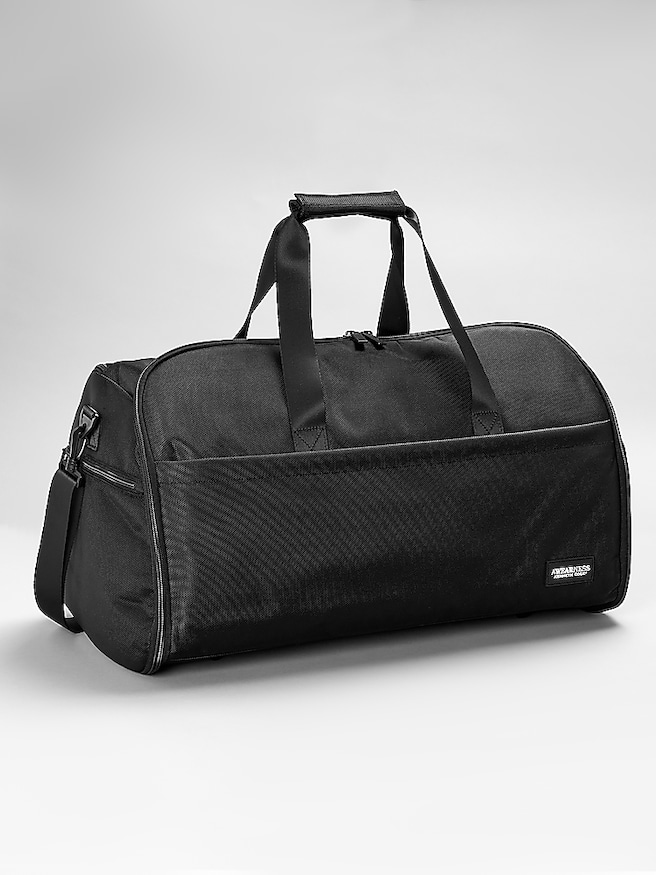
Classic bags are defined by lasting silhouettes, balanced proportions, and useful details rather than conspicuous decoration. A clean-lined briefcase, a simple shoulder bag, or a softly structured travel bag can look appropriate with a tailored suit and equally natural alongside chinos and a knit polo. Their appeal comes from recognizable shapes, practical construction, and finishes that complement an outfit without competing with it. Black leather creates a crisp impression beside charcoal or navy tailoring, while brown leather introduces depth through shades ranging from warm tan to dark chocolate. Canvas offers a more relaxed texture, especially when paired with restrained hardware and neatly finished handles. Material makes a meaningful difference in both appearance and feel. Full-grain leather retains the hide’s natural surface characteristics and may develop a distinctive patina with use, while top-grain leather has a more uniform surface depending on its finish. Suede brings a soft, matte texture but calls for more attentive handling around moisture and stains. Substantial canvas provides an understated alternative, and woven synthetic fabrics may offer lighter weight and easier maintenance, depending on their construction. No single material defines a classic bag; the lasting quality comes from how the material, shape, and details work together. Reinforcement where handles meet the body, even stitching, neatly finished edges, and securely attached hardware all contribute to a well-made impression. A lining that sits smoothly inside the bag makes reaching for a wallet or notebook easier, while a stable base helps a structured shape keep its composure on a desk or beside a chair. Classic styling does not have to mean rigid or formal, either. Rounded corners, softened leather, and simple zip closures can make a bag feel approachable while preserving its clean appearance. The result is an accessory with enough character to feel personal and enough restraint to remain useful as clothing preferences and daily routines evolve.
The right proportions depend on what the bag needs to carry and how it will be worn. For an office commute, room for a laptop, charger, notebook, and a few personal essentials may matter more than a large main compartment. Laptop compatibility depends on the device’s actual dimensions, including its thickness and any protective case, rather than screen size alone. A dedicated padded section helps separate electronics from keys and other loose belongings, while smaller interior pockets keep frequently used essentials from settling at the bottom. Someone traveling between appointments may appreciate a structured opening that makes documents easy to reach; someone heading from work to the gym may find a broader, more flexible interior more practical. A travel bag needs enough usable space for clothing without becoming awkward to lift or carry through a busy terminal. Airline baggage limits vary, so exterior measurements, including handles and pockets, matter when evaluating a bag for cabin travel. Comfort is just as important as capacity. Handles should leave enough room for a natural grip, and an adjustable shoulder strap allows the bag to sit at a comfortable height without repeatedly striking the hip. Strap width, padding, and attachment placement influence how the weight feels over a longer walk. A broad bag carried close to the body may also change how a suit jacket drapes, particularly when the main compartment is packed tightly. A slimmer profile keeps the overall outline cleaner when only a few essentials are needed. The practical appeal of Everyday Bags helps explain why classic shapes remain relevant: dependable organization and comfortable carrying never depend on a passing trend. Closures deserve attention, too. A zipper keeps the opening contained, a flap adds coverage, and an exterior pocket offers convenient access to a phone or transit pass. The most useful arrangement leaves essential belongings within easy reach without turning the outside of the bag into a crowded collection of pockets.
Durability comes from matching the bag’s construction to its workload and giving the material appropriate care. Even substantial leather can lose its shape when repeatedly overfilled, and excessive weight places extra strain on straps, seams, and attachment points. A bag that comfortably holds the usual daily load is more practical than one that needs to be stretched to its limits. Routine care begins with the maker’s instructions, since leather finishes, fabric coatings, linings, and hardware may need different treatment. A soft, dry cloth is suitable for removing surface dust from many finished leathers, while conditioning products should be appropriate for the particular finish and tested on an inconspicuous area first. Suede generally needs a dedicated brush and products intended for its napped surface rather than leather cream. Canvas and synthetic fabrics may allow gentle spot cleaning, but soaking, machine washing, or strong cleaning solutions can affect structure and finishes unless expressly permitted by the care label. If a bag becomes damp, air drying away from direct heat helps protect its shape and surface. Emptying pockets before storage prevents forgotten objects from pressing against the lining, and light stuffing with clean tissue can support a structured body between uses. These habits also preserve the small details that make a classic bag satisfying to carry: handles that feel comfortable in the hand, a zipper that moves smoothly, and an interior that stays orderly. As a gift, a classic bag suits meaningful milestones such as graduation, a first full-time job, a promotion, or an anniversary. The strongest match reflects the recipient’s routine rather than an imagined lifestyle. A frequent commuter may value a secure device compartment, while someone who travels for short visits may appreciate an uncluttered interior with room for folded clothing. Familiar colors, restrained hardware, and a comfortable carrying style make the gesture personal without requiring a dramatic change in taste. A thoughtfully matched bag becomes part of the day almost unnoticed, carrying the things that matter while adding a composed finishing touch.