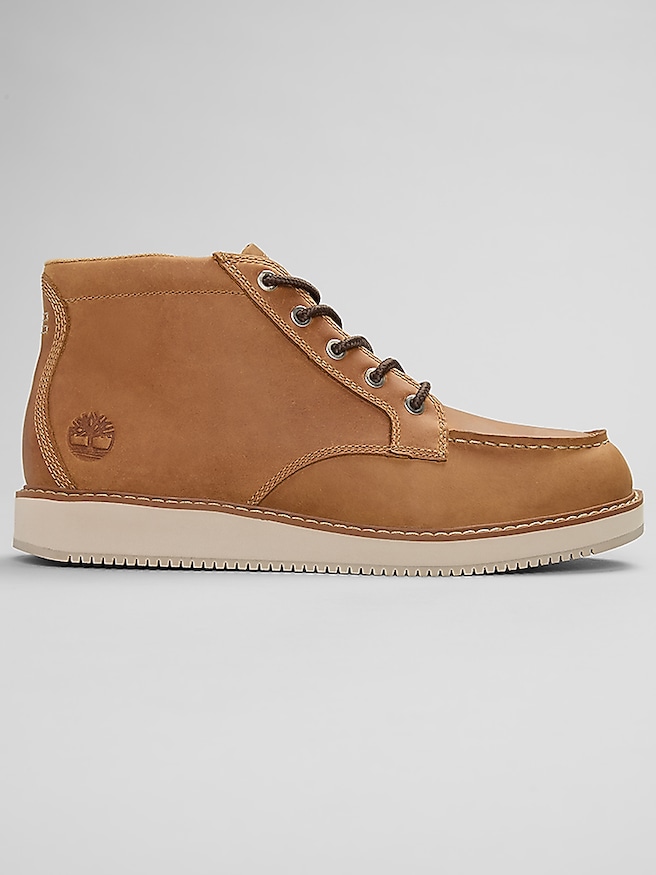
Leather chukka boots are ankle-height boots with open lacing, typically two or three pairs of eyelets, and a relatively simple upper. Their appeal comes from that balance: more coverage and substance than a low-cut shoe, without the taller shaft or heavier detailing of many other boot styles. A rounded or softly tapered toe keeps the profile versatile, while the leather’s finish helps determine how relaxed or polished the boots appear. Smooth leather with restrained stitching can sit comfortably alongside tailored trousers, while a textured or napped surface lends itself to denim and other casual fabrics. Chukkas are especially useful for business-casual offices, dinners out, travel, and everyday plans that call for something more considered than sneakers. With dark jeans and a button-down shirt, they create a clean, uncomplicated combination; with chinos and an unstructured jacket, they bring a little ease to tailoring. The proportions matter as much as the individual pieces. Straight or gently tapered pant legs generally meet the ankle-height silhouette neatly, while excessive fabric pooling around the opening can hide the shape. A modest break at the hem lets the boots remain part of the outfit without making them the center of attention. Color offers another way to adjust the effect. Dark brown tends to blend easily with navy, charcoal, olive, and denim, while black can reinforce a sharper, more streamlined look. For a lighter contrast against dark trousers or indigo jeans, tan leather chukka boots bring out the natural warmth and character of the leather. Matching a belt’s general color and level of formality is usually more important than finding an identical shade. Although leather chukkas can complement relaxed tailoring, they are not a direct substitute for formal dress shoes at black-tie events or occasions with a strict dress code. Their strongest role is the broad space between casual footwear and traditional lace-up dress shoes.
The leather, lining, and sole construction influence how chukka boots feel and how they develop with wear. Full-grain leather retains its natural grain surface, so small variations in texture may remain visible, and regular use can produce creasing and a distinctive patina. More uniformly finished leather offers a consistent appearance, though its care needs still depend on the treatment applied to the surface. Suede is leather with a soft, napped finish, not a separate synthetic material, and its matte texture gives the same basic boot shape a more relaxed expression. Neither a smooth finish nor a substantial feel alone establishes quality; flexibility, secure stitching, clean edges, and the way the upper joins the sole also matter. Leather soles tend to create a slim, traditional profile, while rubber soles can provide cushioning and grip suited to frequent walking. Actual traction depends on the compound and tread pattern rather than the material name alone. Welted or stitched construction may allow resoling, depending on the design and condition of the boot, while other constructions can offer flexibility or a lighter feel. Fit deserves equal attention because a minimal upper leaves little room to disguise the wrong size or shape. The widest part of the foot should sit comfortably within the widest part of the boot, with enough space for the toes to move without pressing against the front. The laces should hold the instep securely rather than requiring an excessively tight pull. A small amount of heel movement can occur in new boots, but persistent sliding or rubbing may point to a mismatch in size or shape. Leather can soften and adapt with wear, but that does not make cramped toes or sharp pressure points a sound starting point. The socks intended for regular wear also affect the fit, particularly when alternating between thinner dress socks and more substantial casual pairs. For someone who spends a workday moving between a desk, meetings, and short walks, comfort depends on that complete combination of shape, support, sole flexibility, and secure fit.
Regular care helps leather chukka boots maintain their appearance without erasing the character that makes leather appealing. Surface dust and grit can collect around the welt, seams, and folds near the forefoot, so routine cleaning protects more than the visible upper. Smooth leather generally benefits from a soft brush or cloth, followed when needed by a conditioner appropriate to its finish. Too much conditioner can leave residue or alter the appearance, making a light application and a discreet test more sensible than treating every surface heavily. Polish can restore color and improve the finish on suitable smooth leathers, but it is not appropriate for every coating or texture. Suede requires its own approach, with a suede brush used to lift the nap and suitable cleaning products chosen for specific marks. Leather care products are not interchangeable, and the manufacturer’s recommendations remain the best reference for a particular finish. If boots become damp during cleaning or from an accidental spill, drying them naturally away from direct heat helps limit unnecessary stress on the leather. Shoe trees can help preserve the shape between wears, and allowing the interior to dry fully supports comfort and helps control odor. Attention to worn heel edges, loose stitching, and thinning soles can also make repairs more practical before damage spreads. These habits are useful whether chukkas serve as everyday office footwear or a pair reserved for dinners and social plans. As a gift, leather chukka boots can suit a graduate building a work wardrobe, someone settling into a business-casual routine, or a longtime boot wearer who appreciates a simpler silhouette. Knowing the recipient’s usual size, preferred fit, and existing wardrobe is more useful than choosing by appearance alone. A person who wears navy trousers most days may favor a darker, understated finish, while someone who lives in denim may enjoy a more visible grain or softer texture. The right combination feels connected to the wearer’s routines, with enough versatility to move naturally among familiar outfits.