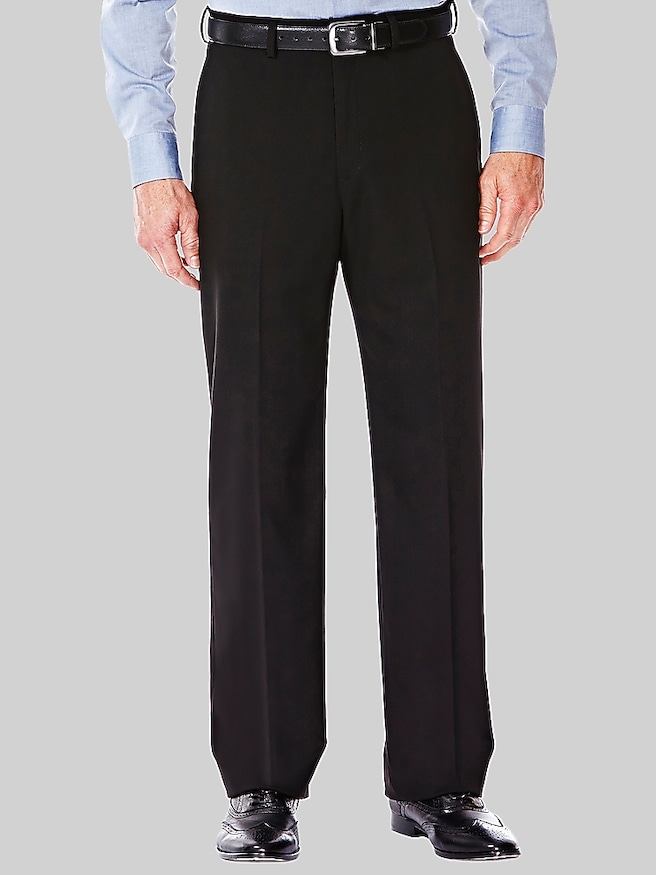
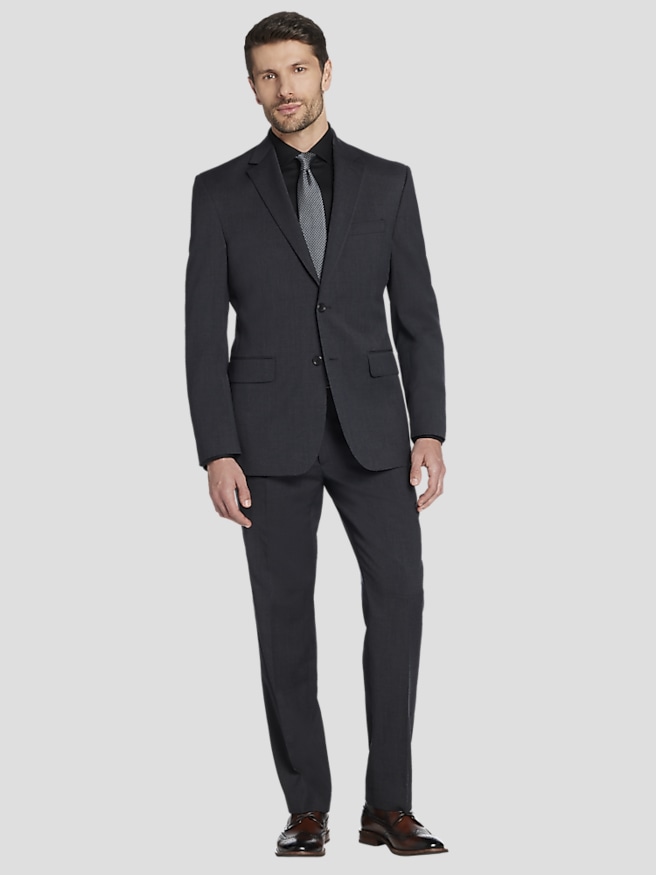
Charcoal wool pants are dark gray trousers valued for their versatility, tailored appearance, and naturally resilient fabric. They work well for business attire, dressier social occasions, and polished everyday outfits, offering a softer alternative to black while remaining easy to coordinate with familiar wardrobe colors. The depth of charcoal provides a neutral foundation for white shirts, pale blue button-downs, navy jackets, and richly colored knitwear. Wool gives the fabric a distinctive texture and drape, helping trousers fall cleanly from the hip rather than cling to the leg. The character of that fabric depends on more than its color: fiber quality, yarn construction, weave, weight, and finishing all influence how a pair feels and looks. Worsted wool typically has a smooth surface and a crisp appearance suited to tailored outfits, while wool flannel has a softly brushed finish that adds visual depth. A subtle weave can make charcoal look almost solid from a distance, then reveal its texture up close. Wool blends offer another approach, combining wool with other fibers to adjust qualities such as stretch, softness, or resistance to wear. A small amount of stretch can add flexibility, but the overall construction and fit still determine comfort. Neither a higher wool percentage nor a heavier fabric automatically makes trousers the better choice; the intended use matters just as much. Someone who spends much of the day seated may value ease through the waist and thigh, while someone attending client meetings may prioritize a smooth front and a crease that holds its shape. For graduation ceremonies, dinners, and celebrations with a dressy but not strictly formal dress code, charcoal wool trousers can provide an appropriate foundation without requiring a matching suit. They are not a substitute for a coordinated suit or tuxedo when an invitation specifically calls for one, but their usefulness across many other settings makes them a practical part of a well-considered wardrobe.
Fit shapes the impression of charcoal wool pants as much as the fabric itself. A clean silhouette begins with a waistband that sits comfortably at the intended rise without pinching, sliding, or relying on a tightly fastened belt to stay in place. The seat should follow the body without pulling across the back, and the thighs need enough ease for sitting, walking, and climbing stairs. Slim cuts create a closer line through the leg, while straight and more generously cut trousers offer additional room; the most polished option is the one that hangs smoothly on the person wearing it. Pleated fronts can provide useful room through the upper leg and add dimension to an outfit, while flat fronts create a simpler, more streamlined appearance. Pocket openings should lie reasonably flat rather than flare outward, and a front crease should travel cleanly down the leg instead of twisting around it. Length deserves equal attention. A slight break allows the hem to rest gently on the shoe, while little or no break produces a sharper line that reveals more of the footwear. The opening at the hem, the shape of the shoe, and personal preference all affect that balance. Alterations can refine the waist and length, although major changes to the rise or seat are more involved. Once the fit is settled, charcoal makes coordinating an outfit straightforward. A white dress shirt and dark leather oxfords create a composed business look; a fine-gauge knit and loafers make the same trouser color feel less formal. Brown leather adds contrast, while black keeps the palette restrained. Navy or textured gray jackets can work well, provided the fabrics look intentionally distinct rather than like an almost-matching suit. For another tailored layer, Charcoal Wool Coats can complement the palette; differences in texture or depth of gray help keep the combination from appearing flat.
Thoughtful care helps charcoal wool pants retain their shape, surface, and tailored finish. The care label is the starting point because wool trousers vary in fabric composition, lining, internal structure, and approved cleaning methods. Many call for professional dry cleaning, while some have other instructions; wool content alone does not establish whether a garment can be washed. Between cleanings, a soft garment brush can lift loose dust and surface debris, and hanging trousers neatly allows the fabric to settle after wear. A trouser hanger that supports the garment without leaving pronounced marks can help preserve the leg line and crease. Emptying pockets before hanging also prevents keys, phones, and wallets from weighing down the fabric. Allowing a pair to rest between wears gives natural creasing time to relax and reduces the strain of repeated use on the same areas. Small spills need prompt attention, but vigorous rubbing can spread a stain or disturb the surface; follow the care instructions and seek professional advice for uncertain treatments. Pressing also requires care, since excessive heat or direct pressure can leave shiny patches on dark wool. A professional press or a suitable pressing cloth, used according to the garment’s instructions, can help maintain a crisp finish. Durability depends on both fabric and construction, with secure seams, sound pocket edges, a stable waistband, and a well-finished hem contributing to everyday performance. No dress trouser is immune to friction from frequent wear, so a comfortable fit and a rotation of trousers can help reduce concentrated stress. For someone building a work wardrobe, returning to an office, or dressing for presentations and special dinners, charcoal offers broad usefulness without a complicated color palette. As a gift, wool trousers are most successful when the recipient’s measurements, preferred rise, and usual leg shape are known. Those details turn a versatile color into something genuinely personal: trousers that feel comfortable through a full day and look considered from the first meeting to the evening reservation.