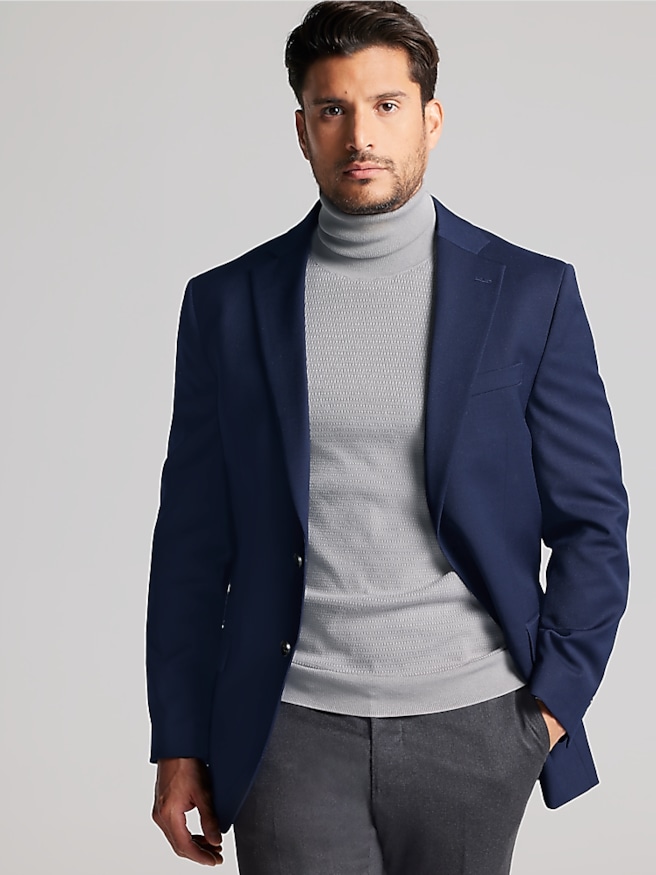
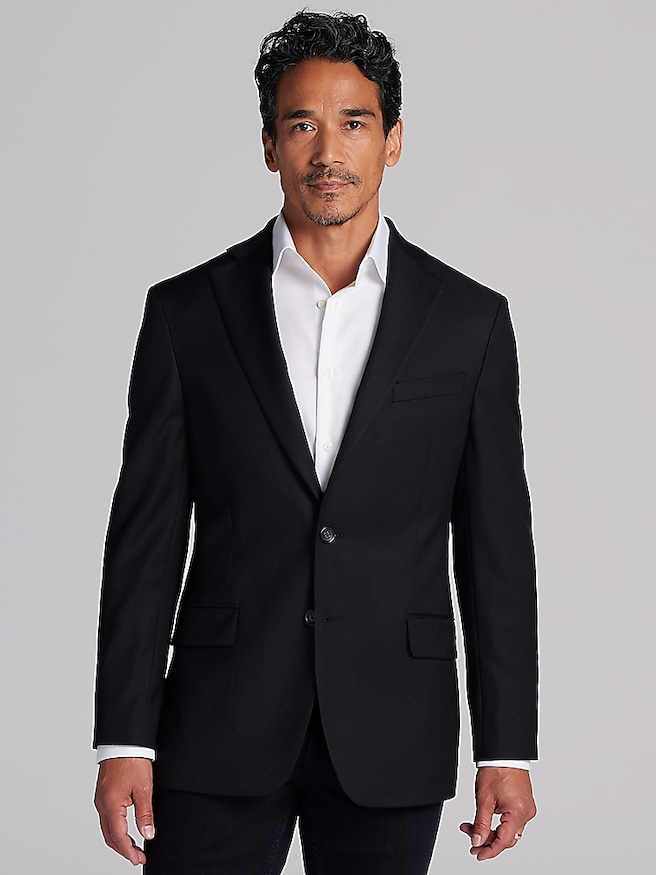
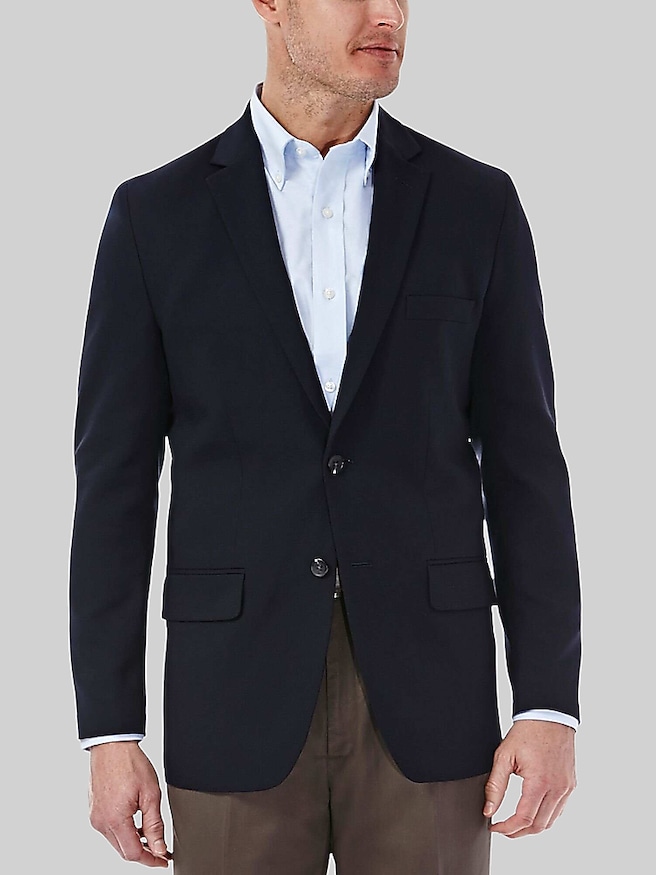
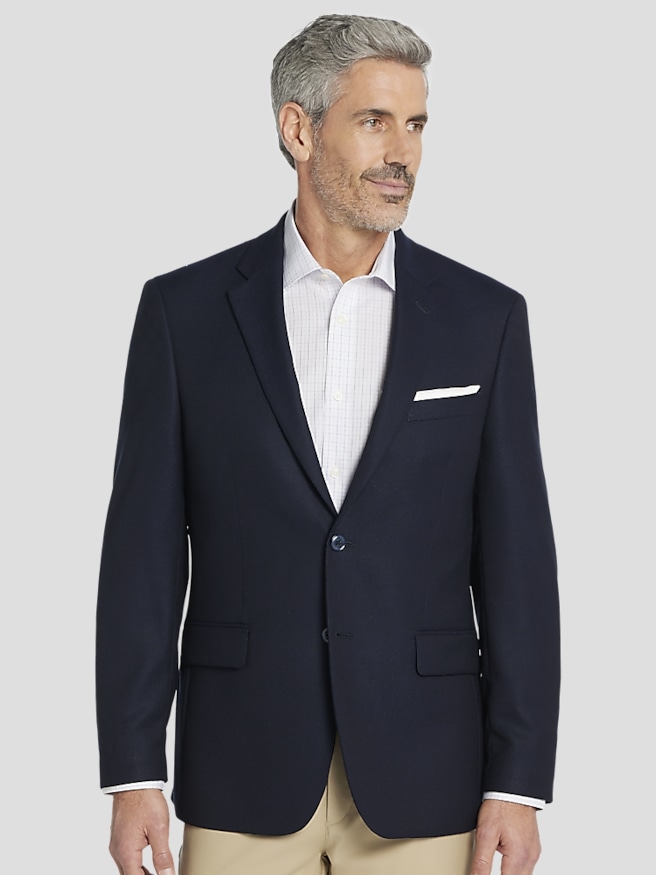
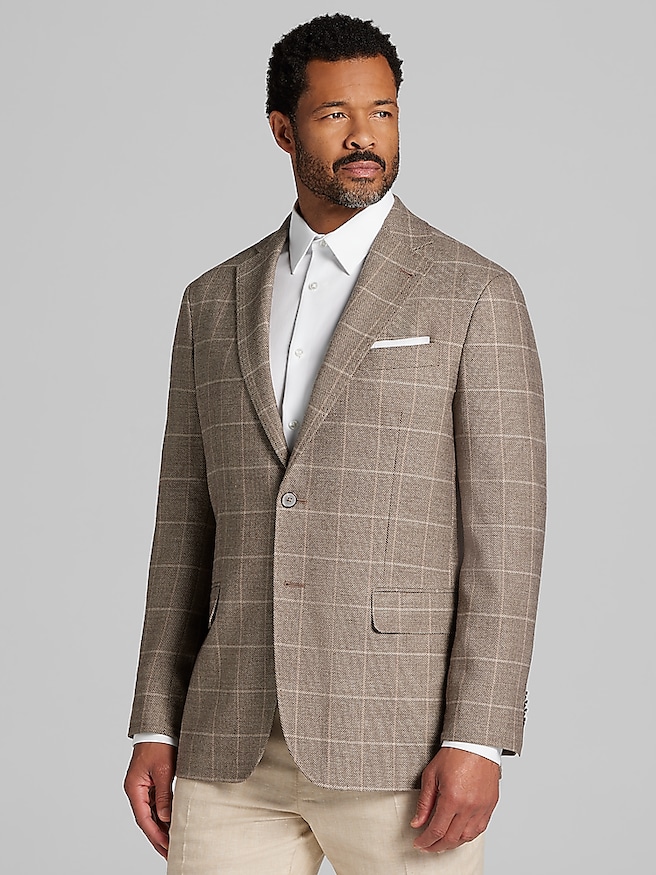
A sport coat is a tailored jacket worn with trousers that do not match it as a suit. That distinction gives it a useful place between casual clothing and more formal tailoring: it can sharpen a pair of chinos, add structure over a knit polo, or bring a finished look to dress trousers and a button-down shirt. For men whose schedules include office meetings, restaurant dinners, family celebrations, and business travel, a sport coat offers flexibility without requiring an entirely separate outfit for every occasion. Its character comes from a combination of fabric, pattern, construction, and fit. Wool is valued for its resilience, drape, and ability to recover from ordinary creasing, though the feel and weight vary considerably by weave. Cotton can have a more relaxed appearance, while linen brings visible texture and a naturally rumpled finish. Blended fabrics combine fibers to balance qualities such as softness, shape retention, and ease of movement; the fiber label provides a clearer picture than appearance alone. A smooth, tightly woven cloth generally looks more polished, while an open weave, subtle slub, or textured surface can make the same basic silhouette feel less formal. Pattern changes the impression, too. A small check may read almost like a solid from across a conference table, while a larger plaid becomes a more noticeable part of the outfit. Navy, gray, brown, and other versatile neutrals are straightforward foundations because they coordinate with a broad range of trousers and shirts. Details such as patch pockets, softly shaped shoulders, and a less structured chest often lend a relaxed character. Flap pockets and a more defined shoulder can create a dressier outline. Neither approach is inherently better; the useful choice is one that suits the places the jacket will be worn and feels consistent with the rest of the wardrobe.
Fit determines whether a sport coat looks comfortable and intentional, regardless of how appealing the fabric may be. Start with the shoulders: the jacket should follow the natural shoulder line without a pronounced overhang or tight ridges across the upper back. The collar should sit close to the shirt collar rather than pulling away, and the lapels should lie smoothly against the chest. With the appropriate front button fastened, the body should have enough room for comfortable breathing and ordinary movement without forming a strong X-shaped crease at the button. A close fit is not the same as a tight fit, and extra room is not automatically a sign of comfort if the jacket hangs loosely through the torso. Sleeve length should leave a small amount of shirt cuff visible when the arms rest naturally, although the exact balance depends on the shirt and personal preference. Overall length should look proportionate to the torso and provide adequate coverage through the seat rather than ending abruptly above it. Sitting down, reaching toward a desk, and briefly crossing the arms can reveal restrictions that are easy to miss while standing still. Measurements are a useful starting point, but posture, shoulder shape, and the amount of clothing worn underneath also affect the result. Someone who usually wears a thin dress shirt may need a different balance of room than someone who prefers a substantial knit. Sleeve and waist adjustments can often refine a good starting fit, while major changes to the shoulders are more complicated. Once the proportions are right, coordination becomes much easier. A textured brown jacket with stone-colored chinos creates clear separation between the pieces, while a navy jacket with gray trousers gives a more polished impression. Dark, clean-finished jeans can work in settings that welcome denim, especially with an understated shirt and well-kept leather shoes. When the jacket has a visible pattern, a solid shirt usually lets that detail stand out without making the outfit feel crowded.
Long-term satisfaction also depends on how a sport coat handles repeated wear and how it is cared for between outings. Durability is not simply a matter of choosing the heaviest fabric. A stable weave, secure seams, neatly finished buttonholes, and a lining that lies smoothly all contribute to a jacket that feels dependable. Lining construction affects the experience of wearing it: a fully lined jacket generally slides easily over a shirt, while partial lining leaves more of the interior construction exposed and can create a less encased feel. Fabric with stretch may improve ease of movement, but it should still return to shape rather than bagging at the elbows. After wearing, empty the pockets and place the jacket on a broad, shaped hanger that supports the shoulders. Overfilled pockets can distort the front, so a bulky wallet or phone is often better carried elsewhere. Allow space around the jacket in the closet instead of compressing it tightly between other garments. Follow the care label for cleaning and pressing, since wool, cotton, linen, blends, linings, and internal structure do not all respond the same way. Avoid aggressive rubbing on a spot, which can spread residue or change the surface texture; a professional cleaner can assess marks that need more than gentle attention. For travel, careful folding and unpacking promptly help limit deep creases. A sport coat can also make a thoughtful gift for a graduate, a partner starting a new role, or someone who enjoys dressing for dinners and celebrations. Knowing the recipient’s measurements, preferred fit, and usual wardrobe colors makes that choice more personal and practical. For a wardrobe that already covers the basics, Unique Sport Coats offer another direction through distinctive texture, pattern, or color. The strongest addition is one that earns repeat wear: comfortable enough to reach for regularly, polished enough for the intended setting, and easy to combine with clothing already in the closet.