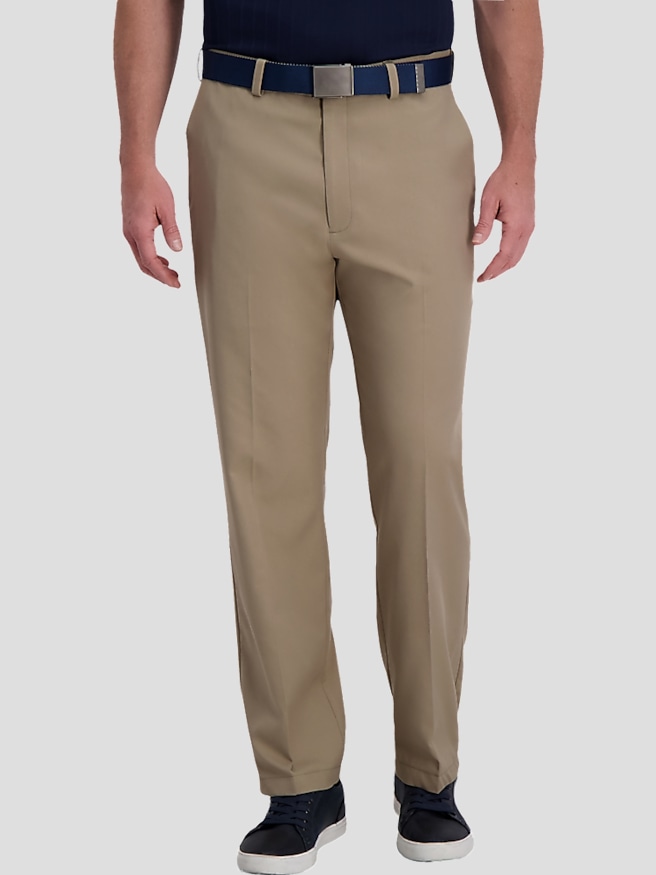
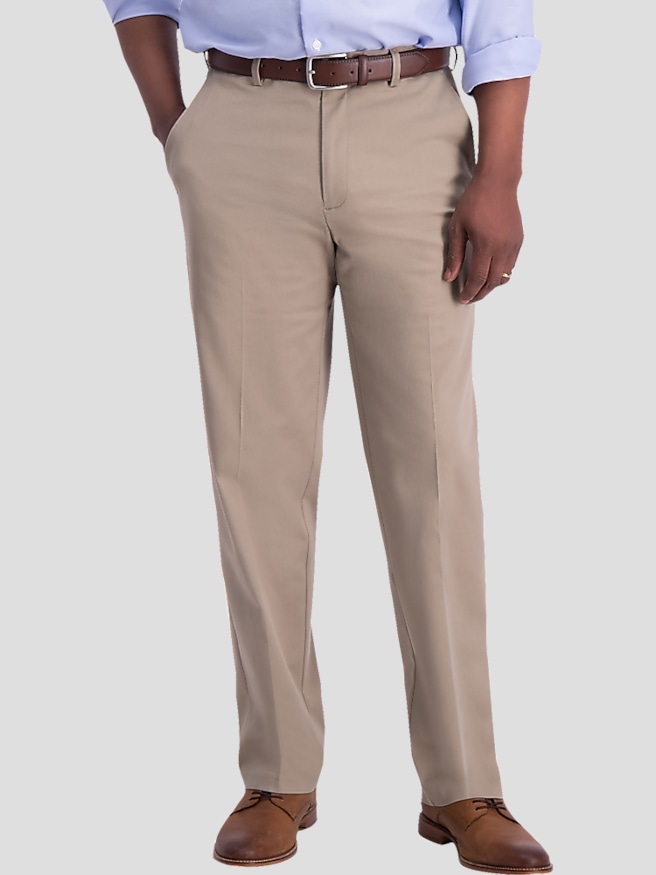
Casual golf attire is clothing that balances the polished look expected on many golf courses with the comfort and freedom of movement needed to play. Collared shirts, tailored shorts, and cleanly finished pants are common foundations, with stretch, breathable fabrics, and an easy fit helping them feel appropriate for a full round rather than just a clubhouse visit. The look is relaxed without appearing careless: a collar that holds its shape, a waistband that sits comfortably, and hems that stay clear of the ground all contribute to that balance. Dress expectations vary by course and clubhouse, so casual does not always mean the same thing at a public course, a private club, and a practice facility. Some settings expect tucked shirts or have specific rules about denim, pocket styling, and footwear. Within those expectations, there is plenty of room for personal style. Solid colors create a straightforward foundation, while narrow stripes, small geometric patterns, and subtle textures add interest without overwhelming an outfit. Navy, gray, khaki, and white coordinate easily, and a stronger accent color can give a familiar combination more personality. The appeal of Golf Apparel is this connection between practical movement and a put-together appearance. A shirt that looks neat at the first tee can also feel appropriate over lunch after the round, while pants with a tailored profile can bridge a casual workplace and an afternoon practice session. For golfers who play occasionally, that versatility can matter as much as a sport-focused detail. For regular players, a consistent fit and dependable construction make getting dressed simpler. Casual golf clothing works best when it feels like clothing the wearer would naturally choose, with enough structure for the setting and enough ease that the next swing gets more attention than the outfit. Even a simple combination can look considered when its proportions, colors, and finishing details work together.
Fabric and fit account for much of that ease. Cotton offers a familiar, soft feel, and its appearance can suit golfers who prefer a more traditional look. Polyester and other synthetic fibers are often used in performance fabrics because they can support moisture management, faster drying, and shape retention, depending on how the fabric is made. Blends bring these qualities together, while a small amount of elastane can provide stretch through a turn, a reach, or a crouch to read a putt. Fabric weight, knit structure, and finishing also affect how a garment feels; fiber content alone does not tell the whole story. A textured knit may have a more substantial hand than a smooth jersey, and a tightly woven fabric can look crisp while still allowing movement when it includes stretch. The most useful fit is neither restrictive nor excessively loose. Across the shoulders and upper back, enough room for a full follow-through helps prevent pulling. Through the body, a clean line limits excess fabric without making the shirt cling. A shirt intended to stay tucked benefits from sufficient length to remain secure when the arms rise, while an untucked style needs a hem that looks intentional rather than oversized. Pants and shorts need room through the seat and thighs for walking, sitting in a cart, and bending at the knees. A comfortable waistband should stay settled without pinching when seated, and pockets should lie reasonably flat rather than flare open. Construction details deserve attention, too: secure stitching, neatly finished seams, stable pocket openings, and collars that recover their shape all support repeated wear. These are practical qualities on an eighteen-hole day, when the same clothing moves through walking, swinging, waiting, and sitting. Course-appropriate footwear completes that function, with secure footing and a comfortable fit supporting time spent on varied surfaces. Footwear rules also vary, particularly around permitted sole and spike designs, so appearance is only one part of suitability.
Durability in casual golf attire comes from both construction and care, especially when clothing moves regularly between the course and everyday wear. Repeated friction around pockets, the seat, and the waistband can reveal weak stitching or fabric that loses its shape, while collars and cuffs often show the effects of frequent washing first. Well-finished seams and fabric with good recovery help clothing maintain its appearance, but care requirements still depend on the individual garment. The care label provides the most reliable direction for washing, drying, and ironing. Excessive heat can affect some stretch fibers and finishes, and fabric softener may interfere with the performance of certain moisture-managing fabrics. Removing clothing promptly after washing and storing it neatly can help limit wrinkles and preserve a clean presentation. Marks from grass, soil, or a clubhouse meal are easier to address when treated according to the fabric’s instructions rather than left through repeated wear. Color coordination also contributes to long-term usefulness. A small group of compatible shades allows shirts and bottoms to work in several combinations, while restrained patterns tend to move comfortably between the course, a casual gathering, and an informal meal. That flexibility makes casual golf clothing relevant to beginners building confidence, experienced golfers who value familiar fits, and occasional players attending a company outing or a round with friends. It can also make a thoughtful gift for a dad, partner, sibling, or friend who enjoys the game. Known measurements, a familiar silhouette, and an understanding of whether the recipient usually tucks in a shirt are more useful starting points than guessing at a bold new style. The strongest choices reflect how someone actually spends time: walking most of the course, practicing at the range, joining social rounds, or heading straight to a meal afterward. Comfortable movement, dependable care, and a neat appearance give casual golf attire its lasting value, allowing the clothing to support the occasion without becoming the focus of it.