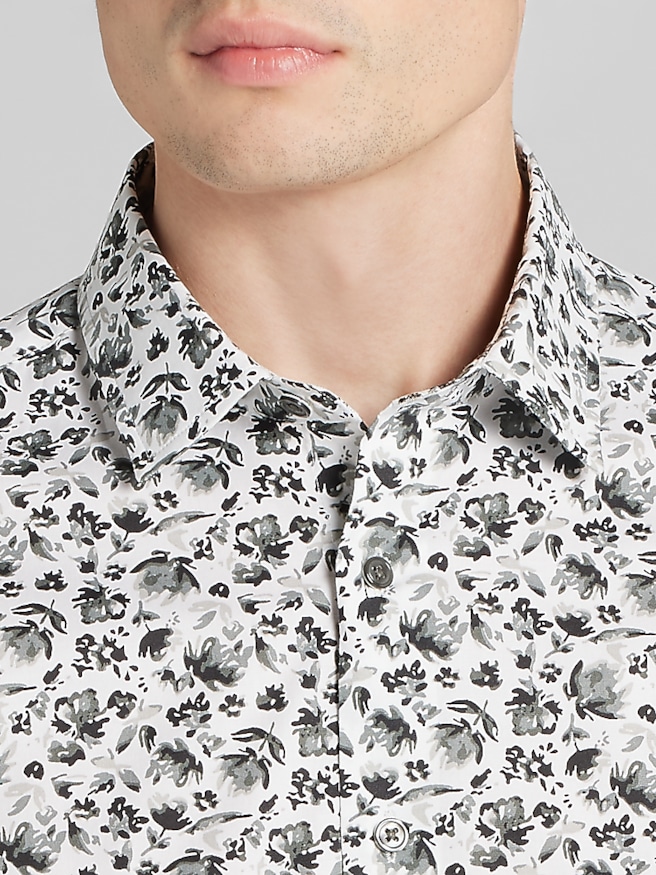
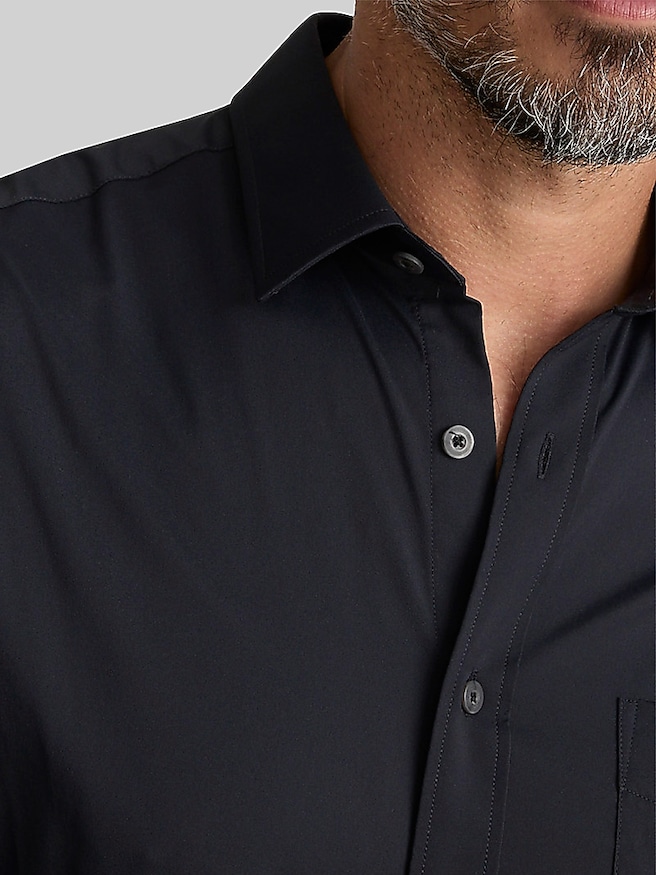
Casual beach shirts for men are lightweight, easygoing shirts suited to coastal outings, resort stays, and relaxed days near the water. Cotton, linen, cotton-linen blends, and lightweight performance fabrics are common choices, each with a distinct feel and approach to comfort. Linen has a crisp hand that softens with wear, and its characteristic creases give a shirt the lived-in appearance that suits an afternoon along the boardwalk. Cotton generally feels soft against the skin, with the weave making a noticeable difference: an open, airy construction feels less substantial than a densely woven fabric, even when both carry the same fiber label. Cotton-linen blends combine qualities of both fibers, though softness, drape, and wrinkling depend on the blend and construction. Seersucker adds a puckered surface that holds portions of the fabric away from the skin, creating texture without relying on a large print. Lightweight synthetic fabrics and performance blends can be useful for travel, especially when a garment is specifically designed for moisture management or quick drying. Those features should come from the garment description rather than an assumption about the fiber alone. Fabric weight matters just as much as composition. A shirt that feels comfortable beneath a restaurant awning may feel quite different during a long walk on an exposed pier. Breathable construction and a fit that allows air to circulate make a practical combination for beachside wear. Lighter colors offer a fresh, understated look, although very lightweight pale fabrics can be somewhat sheer, particularly when damp. A subtle slub, woven stripe, or textured surface adds visual interest while keeping the overall effect relaxed. These details help distinguish a beach shirt from a standard office shirt: the appeal is less about a perfectly pressed finish and more about comfortable movement, an easy drape, and a look that feels at home beside weathered wood, canvas chairs, and saltwater views.
Fit gives a casual beach shirt much of its character. A relaxed silhouette leaves room through the chest and waist without requiring an oversized shape, while a more tailored cut brings a cleaner line to dinner on a waterfront patio. Shoulder seams should sit comfortably near the shoulders unless the design intentionally uses a dropped shoulder, and the fabric across the back should allow an easy reach without pulling at the buttons. When seated, a comfortable shirt has enough room at the waist to avoid strain across the front. Short sleeves offer a straightforward beach-day look; longer sleeves provide additional coverage and can be rolled when the construction allows. Coverage alone does not establish a sun-protection rating, so any UPF claim needs to be stated on the garment label. A camp collar, also called a resort collar, lies open at the neck and contributes to the laid-back shape associated with vacation dressing. A button-down collar has buttons securing its points, giving the neckline a more contained appearance. Hem shape and length matter, too. A straight or gently curved hem often works well untucked, especially when it does not overwhelm the shorts or pants underneath. Worn open over a simple T-shirt, a lightweight beach shirt creates an extra layer for a stroll between the sand and a café. Buttoned with linen-blend pants, the same general style can look more composed without becoming formal. Solid shades are easy to pair, narrow stripes add definition, and tropical or botanical patterns make the shirt the focal point of an outfit. With a bolder print, understated bottoms help keep the combination balanced. For relaxed outfits beyond the shoreline, Summer Casual Shirts provide a related direction for everyday dressing. Beach shirts fit naturally into vacation wardrobes, casual cookouts, and low-key celebrations near the water, while dressier gatherings may call for a more structured shirt or a specific dress code.
Comfort over repeated wears depends on construction and care as well as the initial feel of the fabric. Secure buttons, even stitching, and neatly finished seams are useful details in a shirt that will be packed, unpacked, and worn often. A delicate, loosely woven fabric may feel especially airy but can be more vulnerable to snags from rough benches, bag hardware, or hook-and-loop closures. A slightly firmer weave can offer a more substantial feel, though fabric weight alone does not determine durability. The care label is the best reference for washing, drying, and ironing because blends, dyes, prints, and finishes can require different treatment. High heat can contribute to shrinkage or affect certain finishes, while washing with rough or heavily fastened garments can increase abrasion. Where the label permits, gentle washing and prompt removal from the machine can help reduce deep-set wrinkles. Linen does not need to look perfectly smooth to look well cared for; its natural texture is part of the appeal. A collar and button placket smoothed according to the care directions can give the shirt definition while leaving the rest comfortably relaxed. After a day near the beach, sand should be shaken out before the shirt goes into a bag, and damp clothing should not remain bundled for long periods. Casual beach shirts are clothing for time around the water, not a substitute for swimwear, and repeated exposure to pool chemicals or saltwater may affect fabric and color. For travel, a small mix of solids and patterns can create several outfits with the same neutral shorts or lightweight pants. As a gift for a father, partner, brother, or friend planning a coastal getaway, a beach shirt feels personal when its fit and pattern reflect what the recipient already enjoys wearing. The most useful choice is one that feels comfortable at breakfast on the balcony and still looks appropriate for an unhurried meal after a day out.