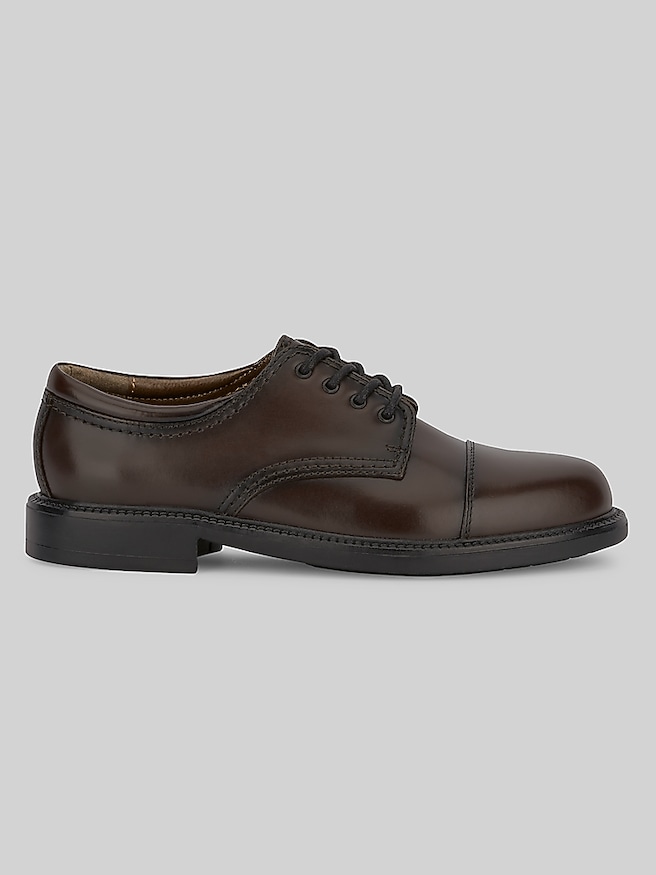
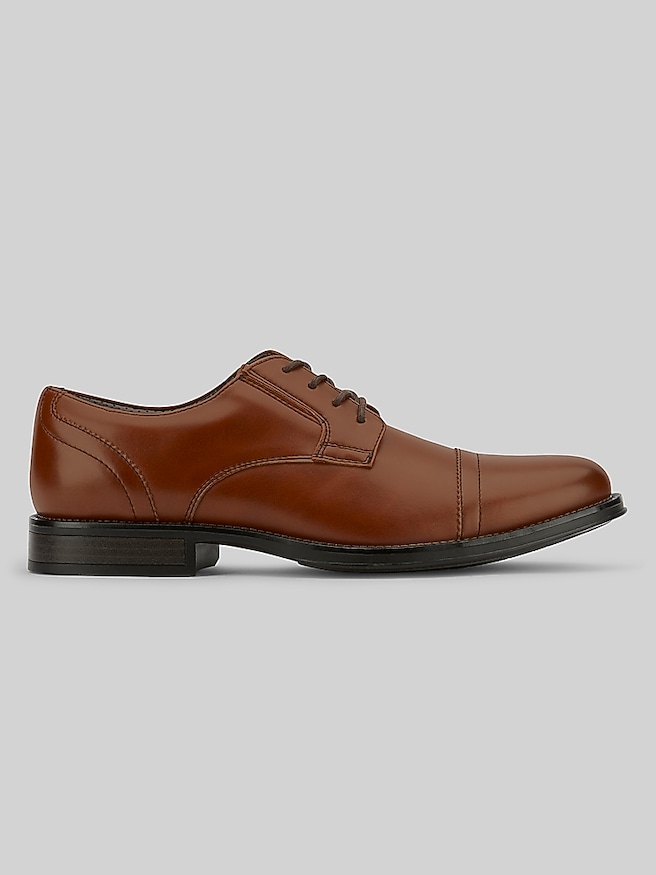
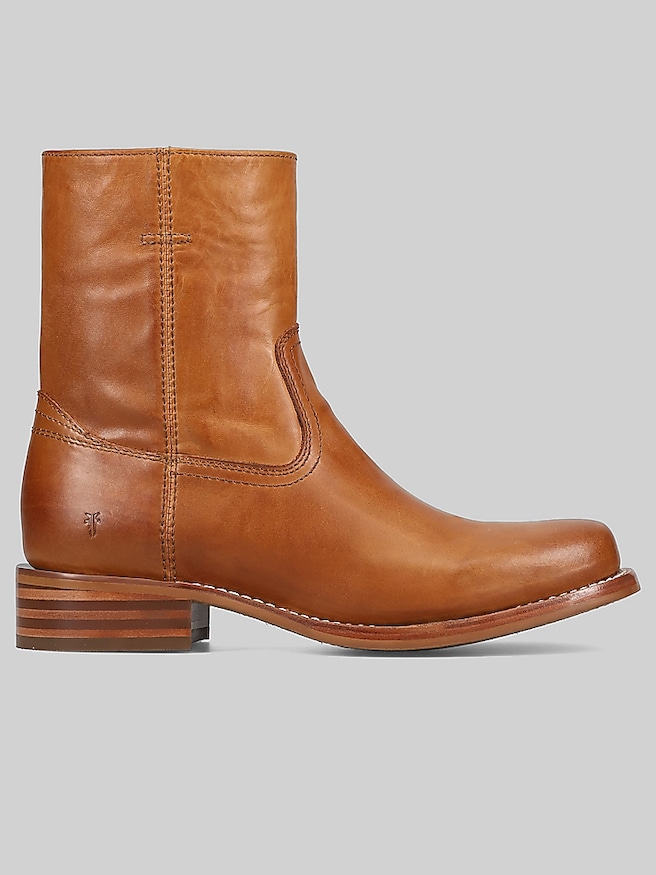
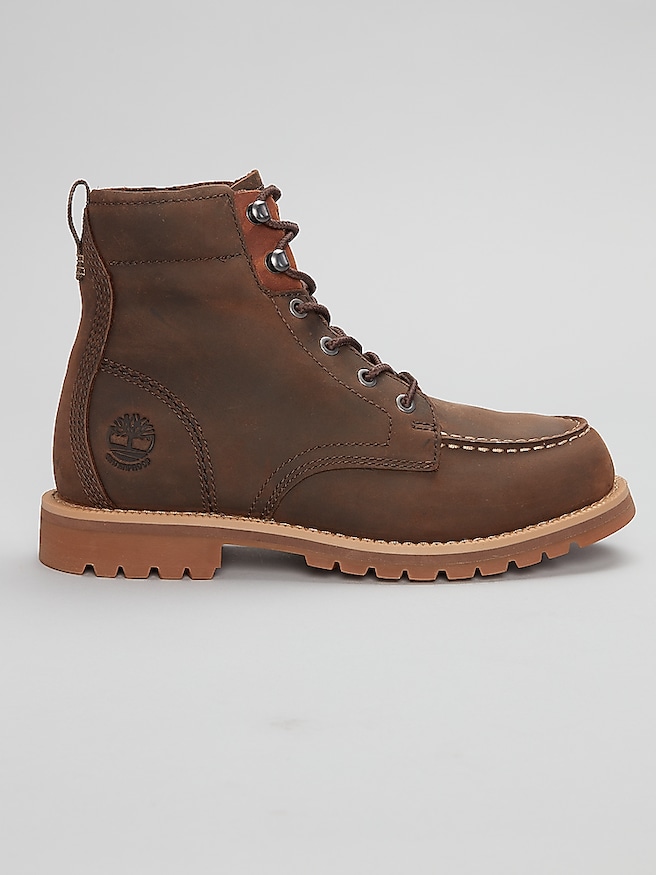
Cap toe boots are boots distinguished by a stitched seam across the toe box, often created by an additional piece of leather covering the front of the boot. That detail gives the toe a defined outline and adds structure to a silhouette that can lean dressy, casual, or workwear-inspired. Unlike an unadorned toe, the cap creates a visual break between the front of the boot and the lacing, giving even a simple design a little more character. A toe cap is not the same as a safety toe, however; protective footwear requires its own specifications and should never be assumed from appearance alone. The overall impression depends on more than the seam. A slim sole, closely spaced stitching, and smooth leather create a refined profile, while a substantial outsole, broader shape, and more visible hardware give the boot a rugged presence. Comparing cap toe boots with Round Toe Boots also highlights an important distinction: a cap is a design detail, while a rounded toe describes shape, so a boot can have both. Smooth leather emphasizes the cap seam and can develop creases and tonal variation with wear. Suede softens the outline with a textured surface that works naturally with denim, corduroy, and other casual fabrics. Full-grain leather retains its natural surface character, though leather type alone does not determine comfort or longevity; thickness, finishing, stitching, and construction all contribute. Black creates a crisp contrast with gray trousers and dark denim, while brown shades bring depth to navy, olive, and earth tones. Details such as tonal stitching, contrasting welts, or a softly burnished toe can change the mood without changing the basic design. For someone who moves between a business-casual office, an evening meal, and a relaxed weekend gathering, that balance of structure and ease is a large part of the appeal. The cap provides a recognizable focal point without requiring elaborate decoration, making these boots an understated foundation for many everyday outfits.
Fit matters as much as the shape visible from above, particularly because the cap seam can make the front of a boot feel more structured. A comfortable fit leaves room for the toes to move without letting the foot slide forward with each step. The widest part of the foot should sit comfortably within the widest part of the boot, rather than pressing against the sides or stretching the upper over the sole edge. Toe shape and interior volume are separate considerations: a rounded outline does not automatically mean a roomy fit, and a tapered appearance does not reveal exactly how much space is inside. Socks also affect the experience, so the thickness normally worn with boots belongs in any fit assessment. Someone pairing boots with dress trousers may prefer a thinner sock than someone wearing them with substantial denim, and that difference can influence pressure across the instep. Lacing helps adjust the hold around the foot and ankle, but it cannot correct a boot that is too short or fundamentally the wrong shape. Leather may become more flexible through wear, yet pinched toes, persistent rubbing, or sharp pressure should not be treated as necessary parts of breaking in a pair. Interior details deserve attention as well. A smooth lining can reduce friction, cushioning can soften repeated steps, and a removable footbed may be useful for someone who wears an orthotic, provided enough interior space remains. Underfoot, leather outsoles generally create a sleek profile, while rubber outsoles can add cushioning and grip, depending on their composition and tread. No outsole should be assumed slip-resistant without an appropriate performance designation. Construction influences long-term use, too: some welted boots can be resoled, while repair options for other constructions vary. Clean stitching, secure sole attachment, and well-finished interior seams are practical signs to consider alongside appearance. For a commuter walking several blocks or a professional spending much of the day standing, the right combination is one that feels stable, accommodates the foot naturally, and suits the actual demands of the day.
Cap toe boots work best in an outfit when their proportions match the clothing around them. A streamlined pair sits neatly beneath straight or gently tapered trousers, with the hem meeting the upper without excessive bunching. More substantial boots pair naturally with heavier denim and a slightly fuller leg, allowing the footwear to look intentional rather than oversized beneath a narrow opening. Dark brown leather, indigo jeans, and an Oxford shirt make an easy combination for a casual dinner; black boots with charcoal trousers and a fine-gauge sweater create a sharper office look. A textured sport coat can connect the two, adding polish without making the boots seem out of place. For a dressier setting, a restrained silhouette and well-kept leather are generally easier to coordinate with tailoring than thick tread or contrasting hardware, though the event’s dress expectations still take priority. Maintaining that appearance involves care suited to the material rather than one treatment for every finish. Smooth leather benefits from regular dust removal and a compatible conditioner used according to its directions; polish can restore color and sheen where appropriate. Suede calls for a suitable brush and suede-specific care, since products intended for smooth leather may change its texture or appearance. Testing any treatment in an inconspicuous area helps avoid an unwanted color change. Allowing boots to air between wears, keeping them away from direct heat, and using properly fitted shoe trees can help preserve their shape. Attention to worn heels, loosening seams, and damaged laces can also keep small issues from becoming larger repairs. These qualities make cap toe boots a thoughtful gift for a partner, family member, or graduate building a wardrobe for work and social occasions, especially when the recipient’s size, preferred fit, and everyday style are known. Whether the preference is polished leather or a more textured finish, the lasting appeal comes from a distinctive toe detail supported by comfortable proportions, appropriate construction, and consistent care.